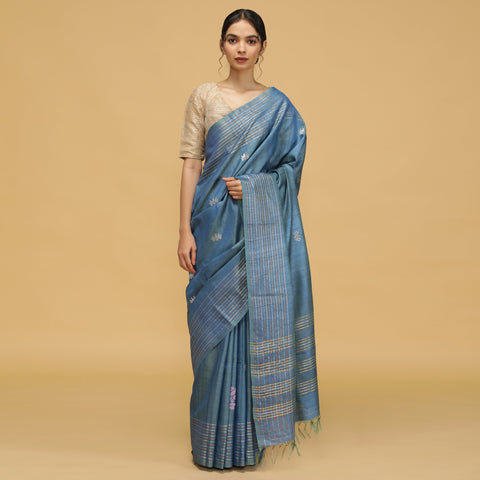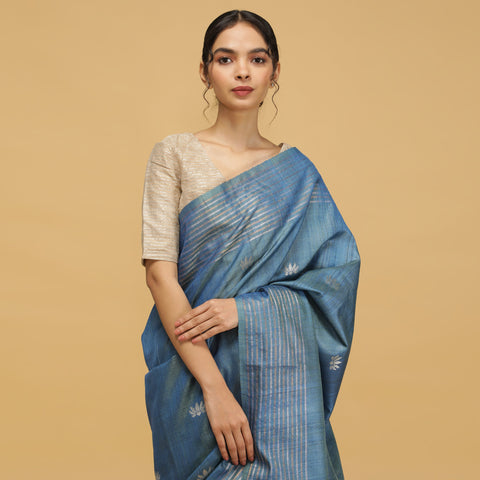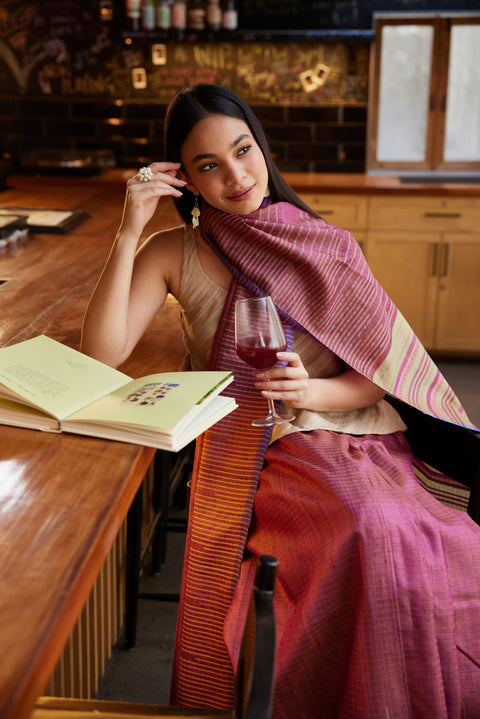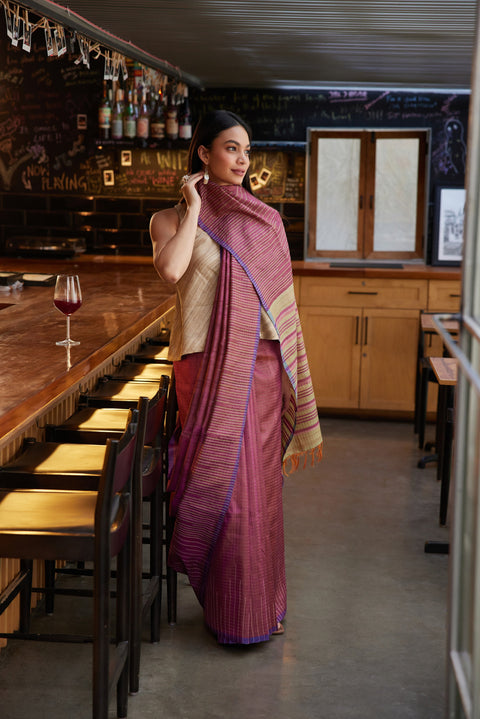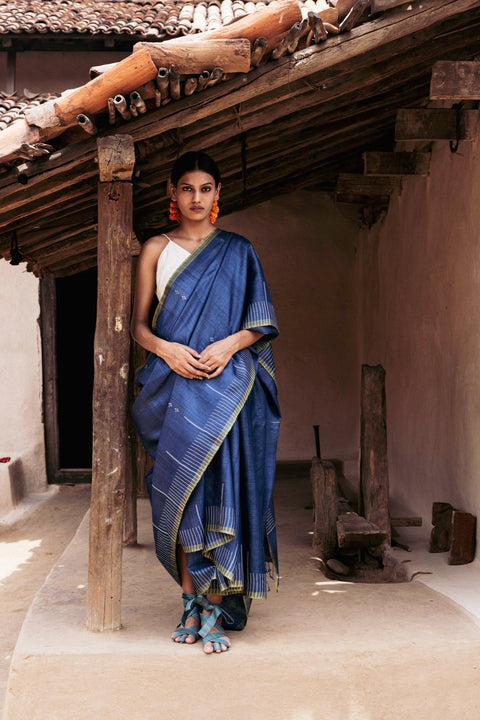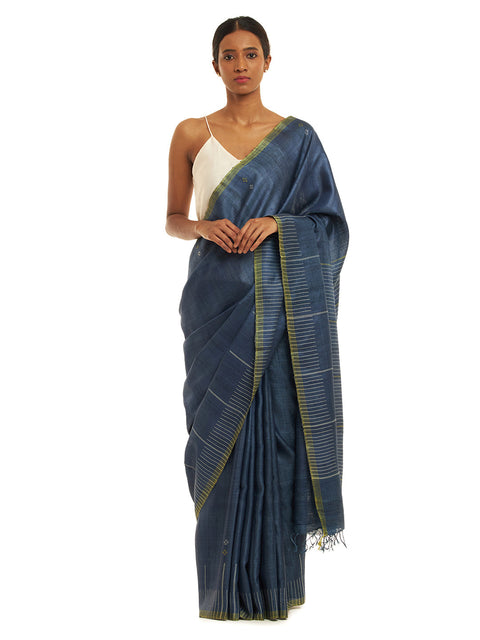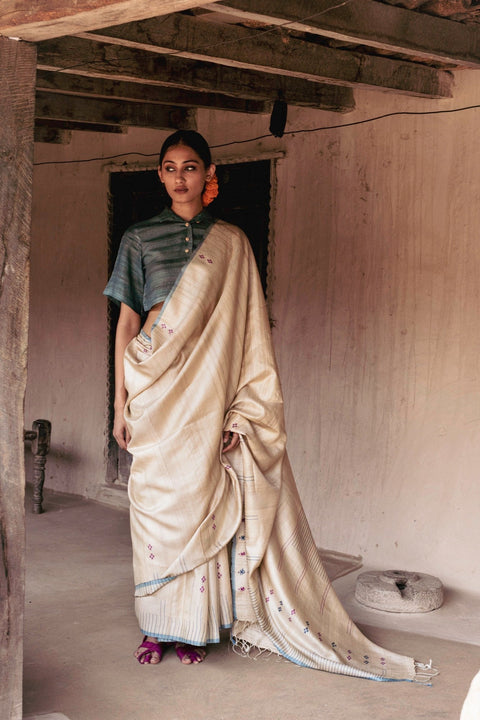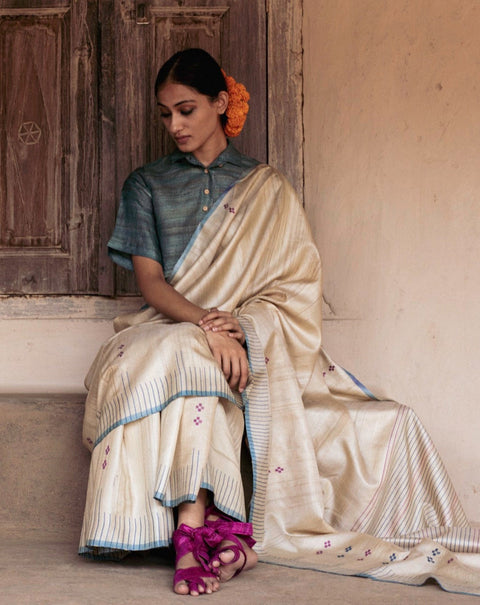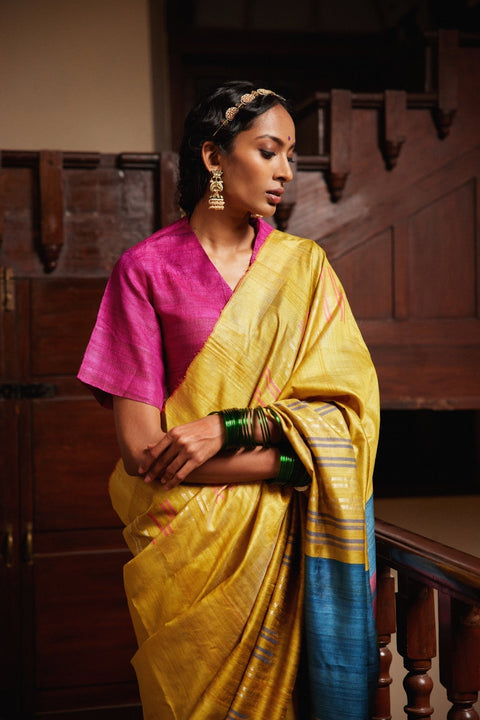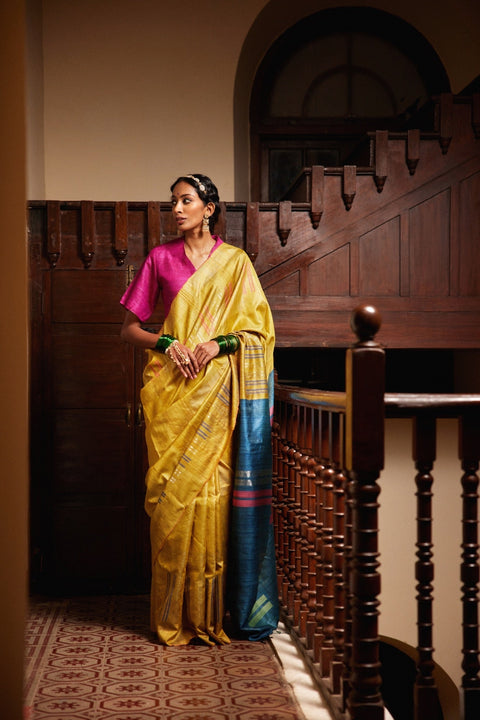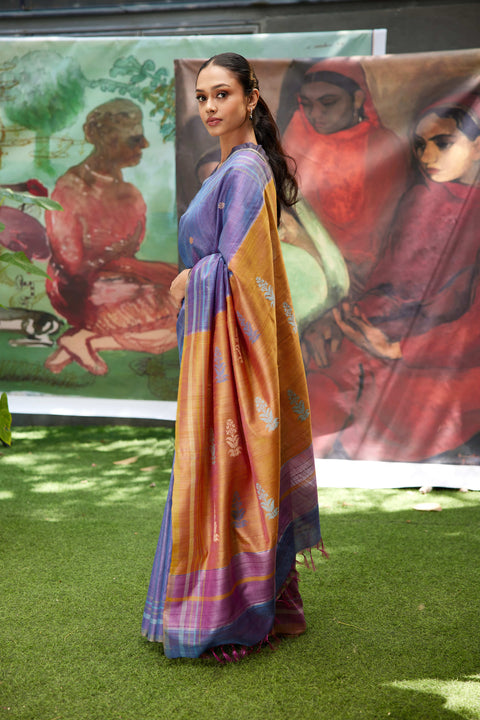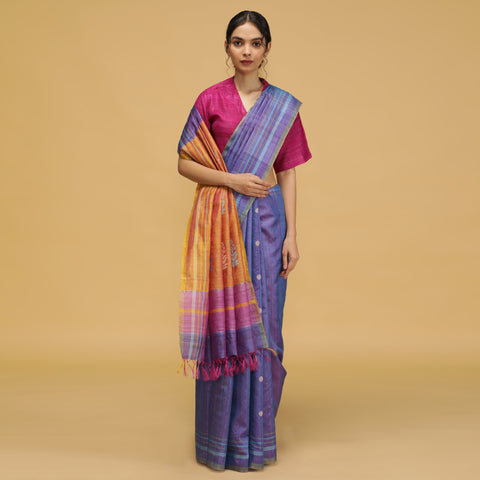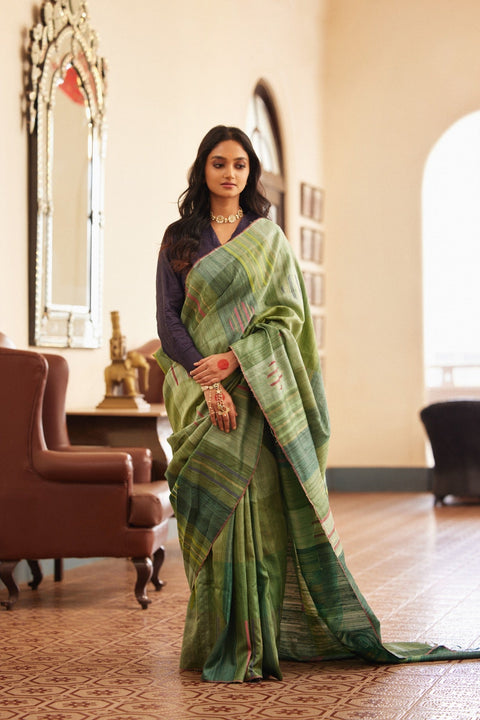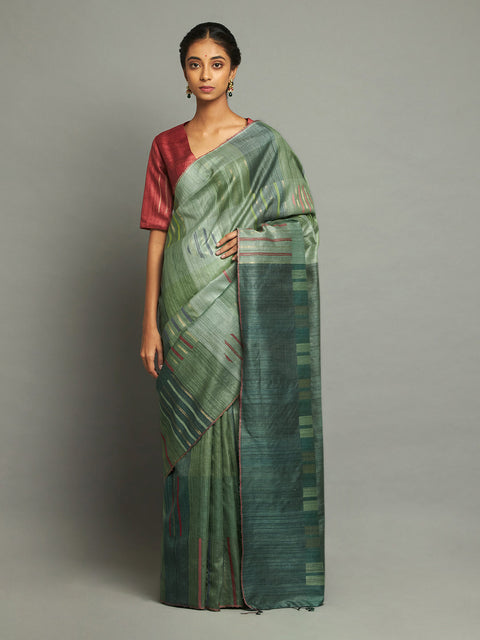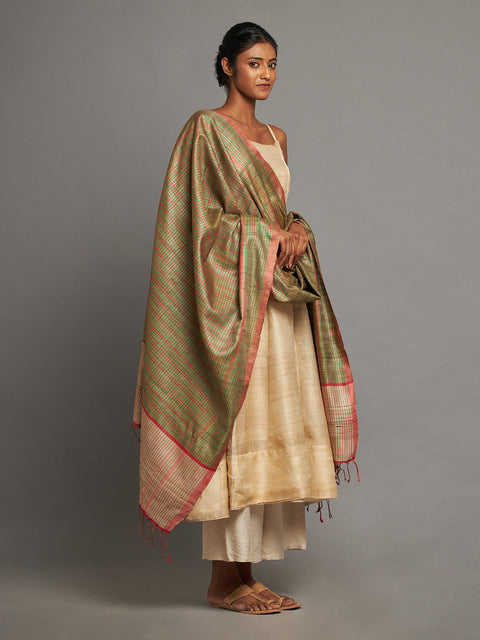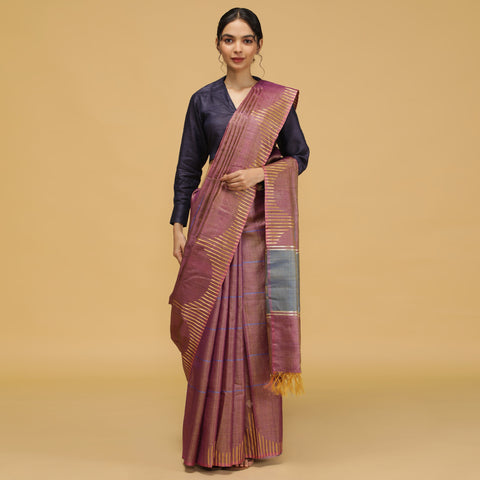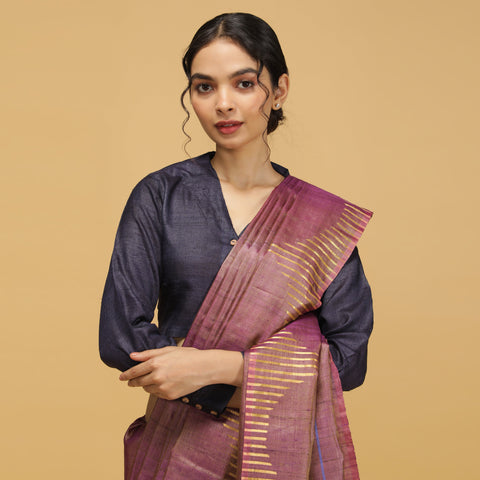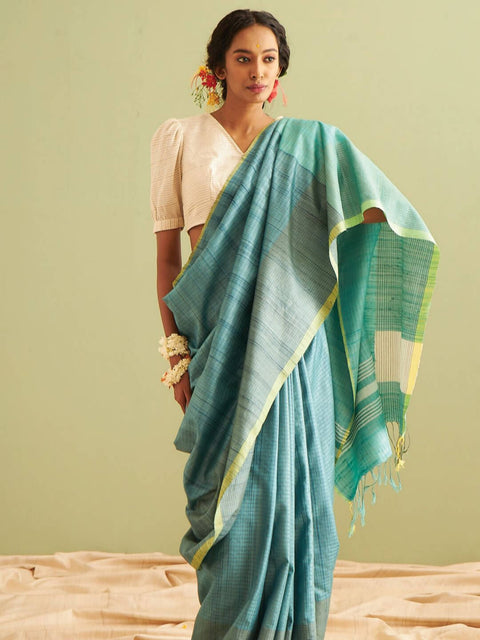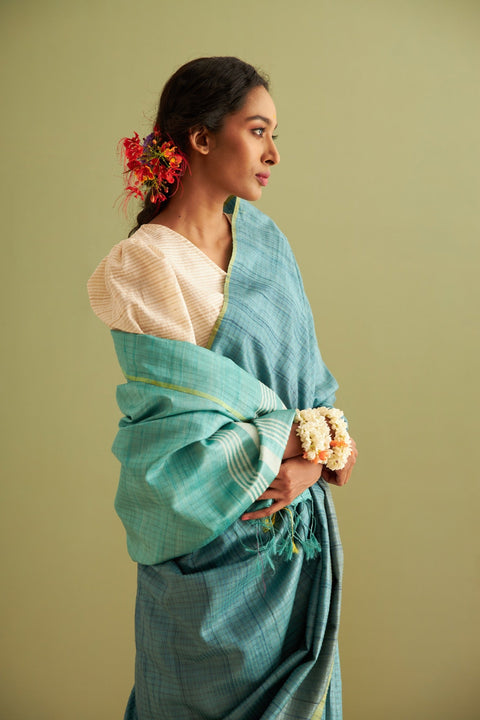


Most saree draping advice feels too complicated. But good draping usually comes down to a few small adjustments.
The way you place your pleats matters, the way your pallu falls matters, and even the fabric changes the final look.
A small change in draping can completely change how a saree feels and looks on the body.
The goal is not to hide your shape but to create balance, comfort, and clean lines
What Makes Saree Draping Look Flattering?
Two things affect saree draping the most:
pleat placement
pallu direction
These details change the overall silhouette.
For example:
Vertical drapes create a longer look
Wider drapes add softness and volume
Structured pleats create cleaner lines
Loose pleats feel more relaxed
Once you understand this, saree draping becomes much easier.
How Should Petite Women Drape a Saree?
Petite frames usually look best with cleaner vertical lines.
The aim is to create height and avoid extra bulk.
What Works Best for Petite Frames?
These adjustments help:
tuck the saree slightly higher at the waist
keep pleats narrow and neat
pin the pallu close to the shoulder
avoid very heavy borders
A shorter pallu also helps maintain cleaner proportions.
Which Fabrics Suit Petite Frames?
Structured fabrics usually work best. Very limp fabrics can make the drape lose shape.
Kosa silk and Tussar silk hold pleats neatly without feeling stiff.
Kosa silk holds its pleat shape without being stiff, the natural slub in the weave creates enough surface grip to keep narrow pleats in place through movement without needing over-pinning.
Pure Kosa silk sarees in lighter weights work especially well for petite frames because the fabric does not add bulk while still holding structure.
How Should Curvier Body Types Drape a Saree?
The goal is balance, not tightness. One common mistake with draping sarees for curvier body types is over-tight draping.
Very tight pleats can make the saree feel restrictive and heavier visually.
What Creates a Balanced Drape?
These adjustments usually work well:
let the saree fall naturally over the hips
keep pleats medium-width
drape the pallu diagonally
avoid pinning the pallu too wide
A softer but structured fabric helps the saree move comfortably.
Which Saree Fabrics Work Best for Curvier Frames?
Fabrics with a gentle structure usually drape beautifully. They stay smooth without clinging too much to the body. Kosa silk works especially well because it keeps its shape while still feeling breathable.
How Should Tall Women Drape a Saree?
Tall frames can easily carry volume and texture. That means broader pleats and longer pallus often work beautifully.
What Styling Works Best for Taller Frames?
You can try:
wider pleats
layered pallus
free-flowing drapes
textured fabrics
Longer pallu lengths also create graceful movement.
The natural texture of kosa silk adds depth without needing heavy embellishment.
Three Draping Adjustments That Work for Every Body
Regardless of frame, these three adjustments consistently improve how a saree draping sits and falls.
Adjustment
Effect on Silhouette
Best For
Tuck saree higher at the natural waist
Creates a longer leg line, lifts the drape
Petite and curvy frames
Pin pallu close to the shoulder, not wide
Creates a vertical line, draws eye upward
All frames, especially fuller builds
Use a well-fitted petticoat in a matching shade
Prevents fabric from slipping, keeps pleats in place
Every body type, every fabric
A few universals worth noting:
Choose your footwear before you drape. Heel height changes where the hem sits, which changes the whole proportion
A blouse that fits well at the back is as important as the front. A loose back panel disrupts the line of the pallu
Do not over-pin. Three to four pins (waist tuck, pleat tuck, shoulder pin) are sufficient. Over-pinning restricts movement and bunches the fabric
For occasion wear like draping styles by body type for a wedding or festive event, wedding silk sarees in heavier weaves hold structured pleats better throughout a long day.
Why Does Fabric Matter So Much in Saree Draping?
Fabric controls how the saree falls. Some fabrics hold structure naturally. Others feel softer and more fluid.
Good draping becomes easier when the fabric supports the shape. Kosa silk works especially well because it balances softness and structure.
The fabric:
holds pleats neatly
feels breathable
drapes cleanly
becomes softer over time
Understanding why sarees drape better in certain weaves explains why two sarees that look identical on a hanger can behave completely differently when draped.
What Should You Look for Before Draping a Saree?
A saree should feel balanced even before draping begins.
Look for fabrics that:
fall smoothly
do not cling heavily
hold shape naturally
feel comfortable for long wear
Very stiff fabrics can feel difficult to manage, and slippery fabrics may need constant adjustment.
A fabric that falls smoothly and holds a fold without springing back is easier to drape accurately than one that either clings or slips.
Handloom silk sarees in Kosa and Tussar weaves sit in this range, they have enough body to hold pleats without the stiffness that makes adjustment difficult mid-drape.
What Makes Kosa Silk Sarees Suitable for Easy Draping?
Good saree draping starts with the right fabric. Kosa silk has a naturally textured weave. That texture helps the saree stay structured without feeling heavy, and the fabric also reflects light softly because of its matte finish.
This creates a refined drape for both daytime and evening occasions.
Kosala’s handwoven Kosa silk sarees make pleats hold better while keeping the saree comfortable through long wear. Good saree draping is usually about small adjustments.
Pleat width matters.Pallu placement matters.Fabric choice matters.
Once you understand these basics, draping becomes much easier for every body type.
Saree Draping Frequently Asked Questions
1. Which saree draping style works best for petite women?
High waist tucks, narrow pleats, and shorter pinned pallus usually create cleaner vertical lines and help petite frames look more balanced and elongated.
2. How many pleats should a saree usually have?
Most sarees look balanced with six to seven pleats. Narrow pleats feel neater, while broader pleats create more volume and movement.
3. Which fabrics drape best for sarees?
Kosa silk and Tussar silk drape especially well because they balance structure, softness, and breathability without becoming too stiff or clingy.
4. Why does pallu placement matter in saree draping?
Pallu placement changes the silhouette. A closer pinned pallu creates cleaner vertical lines, while wider drapes can add more visual volume.
5. How can I stop saree pleats from slipping?
Use a well-fitted petticoat and secure the pleats neatly with one safety pin. Structured fabrics also help pleats stay in place longer.
Learn More