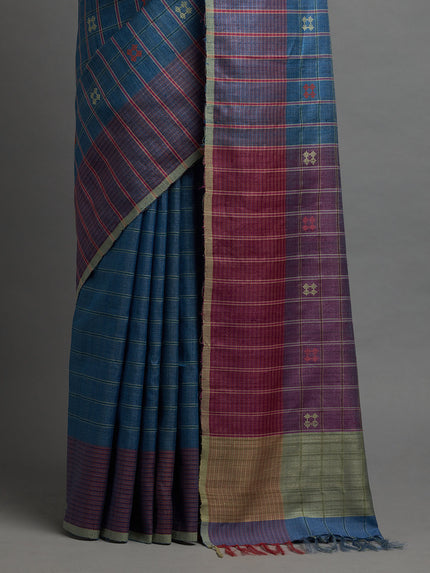
Choosing a Janmashtami Saree for the Occasion
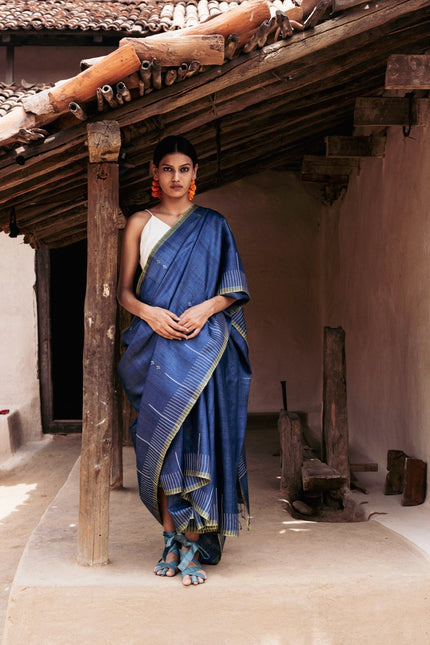
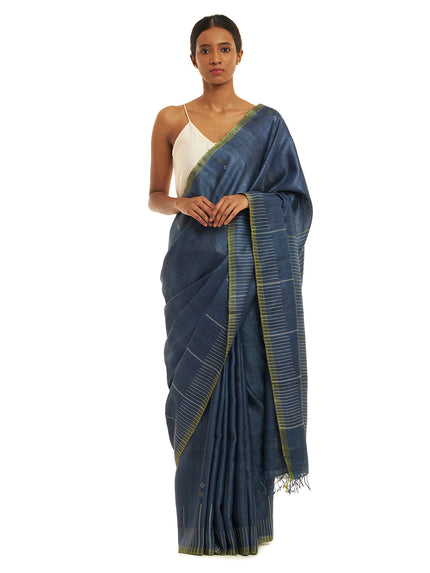
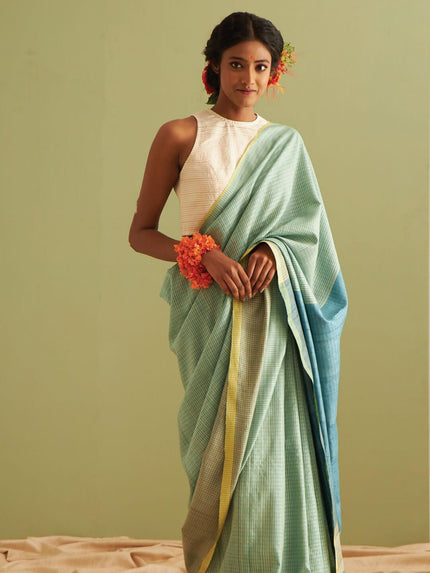
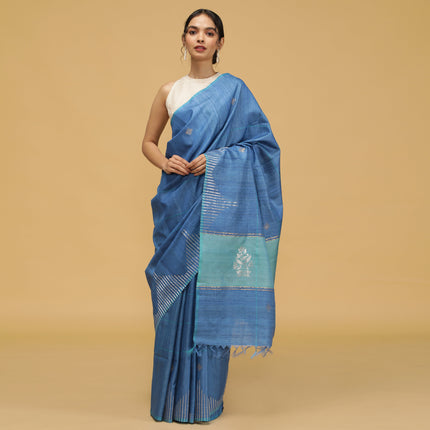
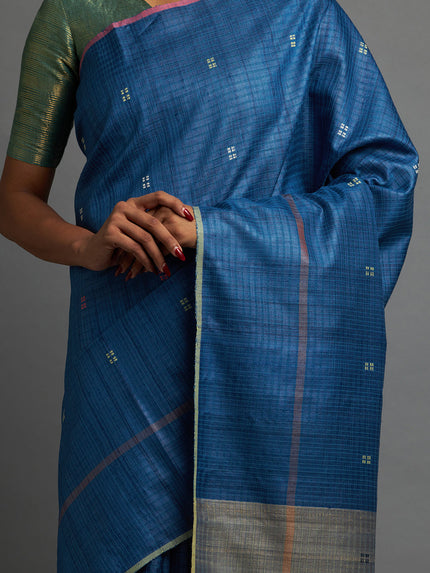
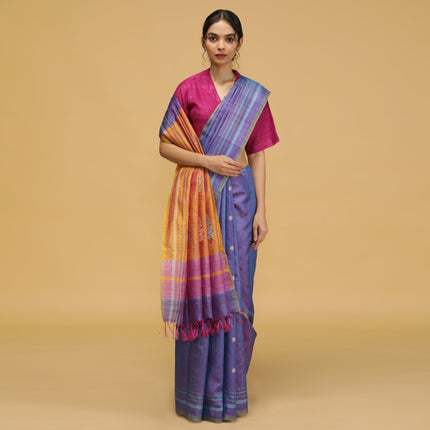
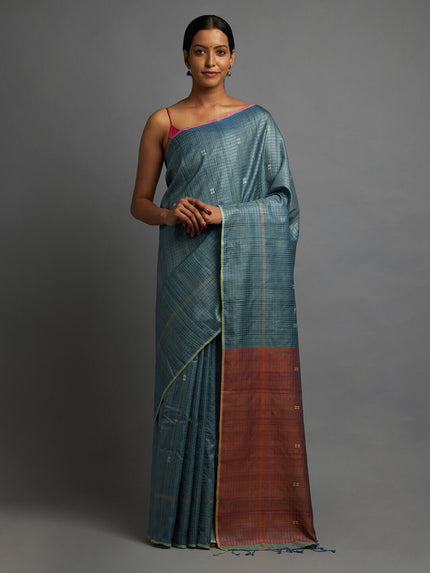
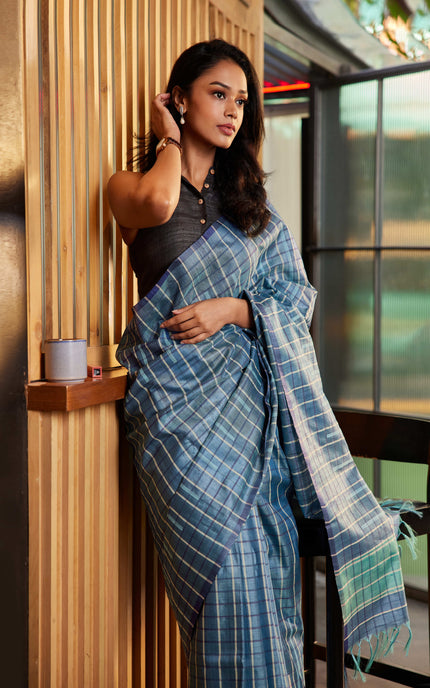
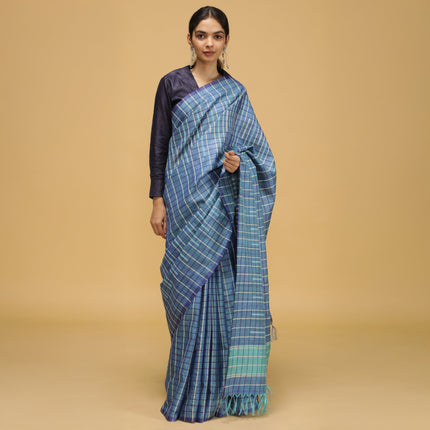
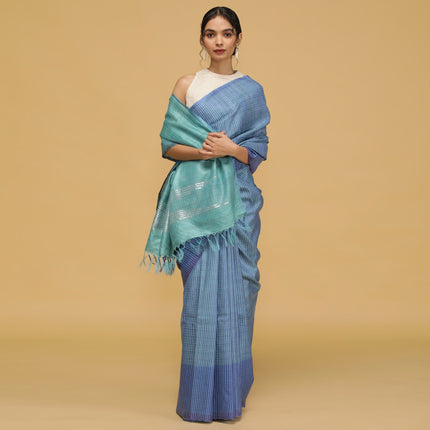
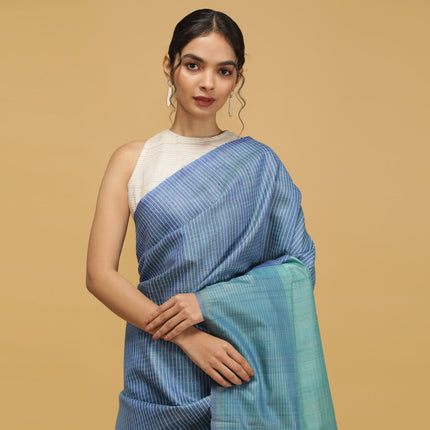
Janmashtami carries a specific colour association most other festivals do not, tied closely to Krishna's own traditional palette of blue and yellow. A Janmashtami saree in peacock or royal blue, paired with a yellow or gold blouse, reflects this connection directly.
This is part of why the shade rarely strays far from these two colours, even as detailing and border work vary from saree to saree.
A Janmashtami saree rarely needs elaborate detailing to feel right. The blue and yellow combination carries the occasion on its own.
Reading the Shade Before You Buy
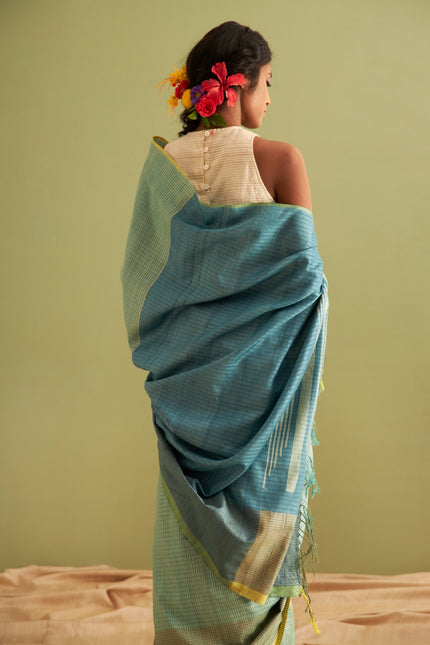
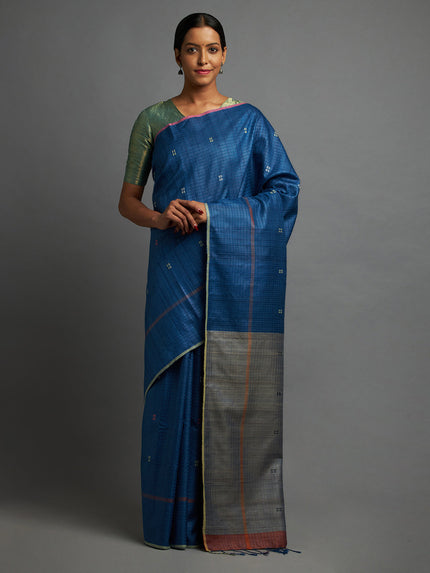
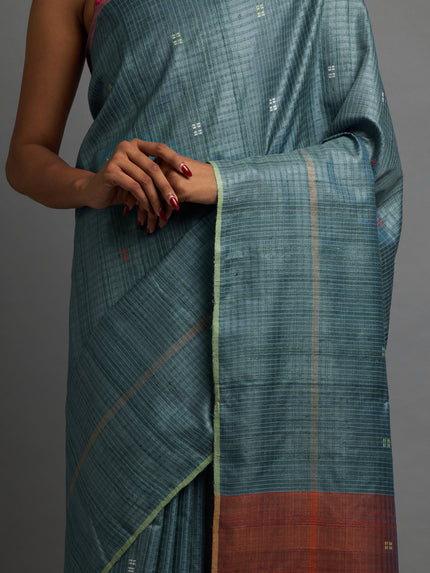
Not every blue behaves the same way once draped. Peacock blue carries the most direct reference to Krishna and photographs richly under temple and evening lighting, while royal blue offers a slightly more formal alternative. A woven gold border adds festive weight suited to the midnight celebration, while a simpler drape suits the earlier temple visit.
Matching the shade to the specific part of the evening usually gives the most fitting result.
Styling a Janmashtami Saree
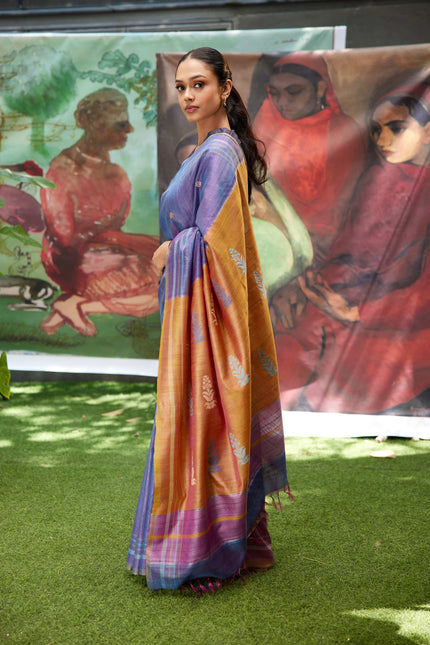
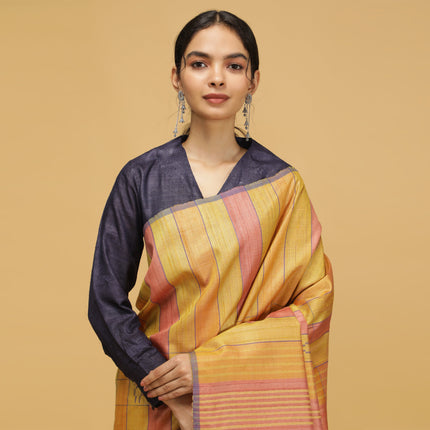
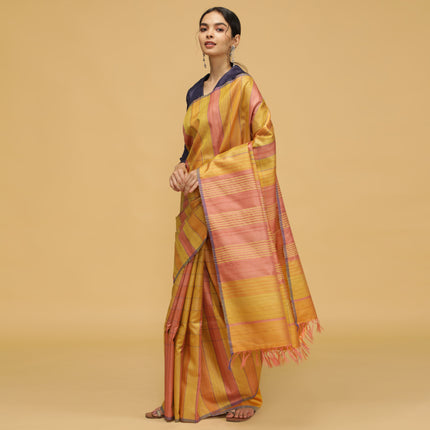
For temple visits and aarti, keep the saree simple in peacock blue, paired with gold jewellery. For the midnight celebration, A richer royal blue with a woven gold border pairs well with more elaborate jewellery. For family gatherings during the festival, Yellow works as an alternative to blue, particularly for daytime visits.
Exploring Colour Beyond Janmashtami
For those wanting to look at these shades more broadly, blue silk saree and yellow colour silk saree both offer more options beyond the festival itself.
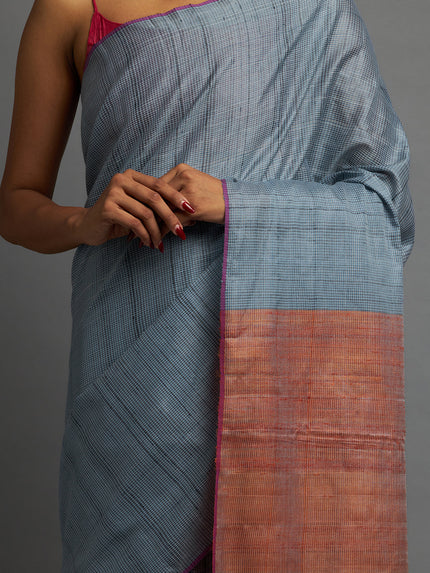
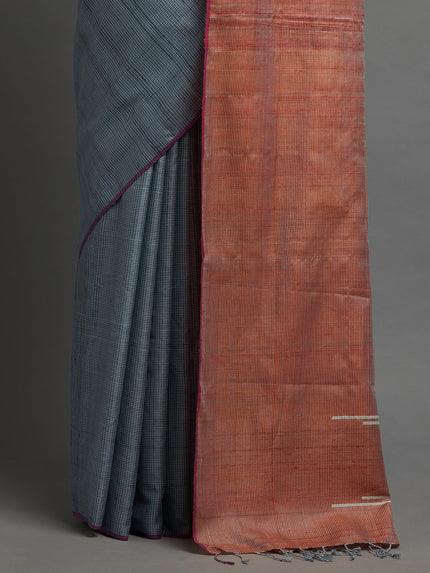
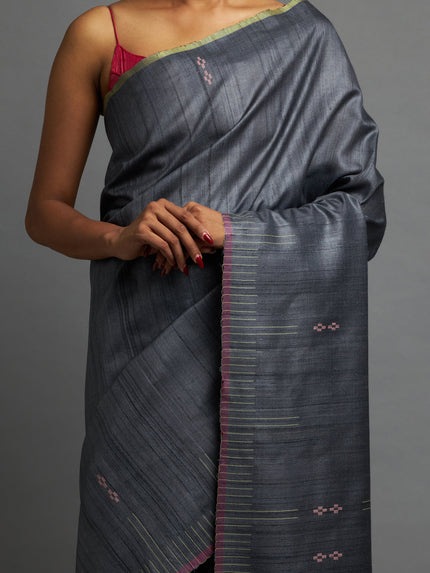
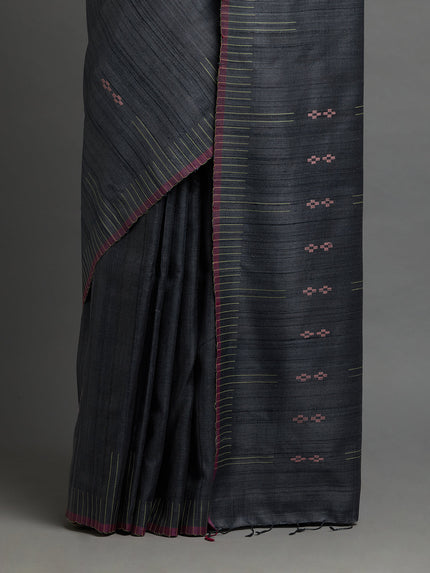
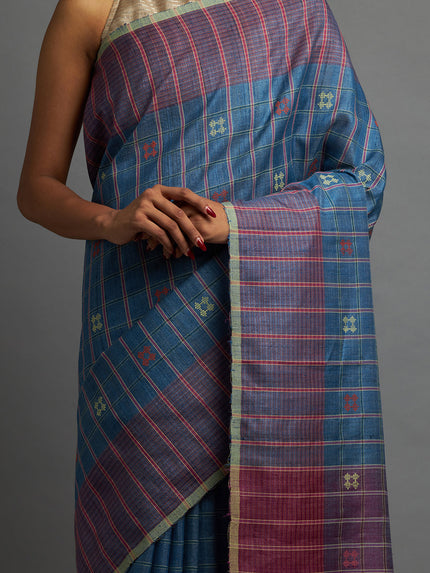
For those wanting to explore the weave itself, handloom silk saree options show the variety of textures available, while tussar silk saree pieces offer a slightly different sheen for those comparing fabric types.
Caring for Your Janmashtami Saree After the Celebration
A long night of temple visits and celebration can mean extended wear. Dry clean only to preserve the colour and sheen, and store away from direct sunlight in a breathable cotton bag.
Choosing Your Janmashtami Saree
A Janmashtami saree works best for those wanting a look tied directly to the festival's traditional colour palette. Kosala's handloom silk sarees carry natural texture and a matte finish that lets blue and yellow tones look rich rather than flat.