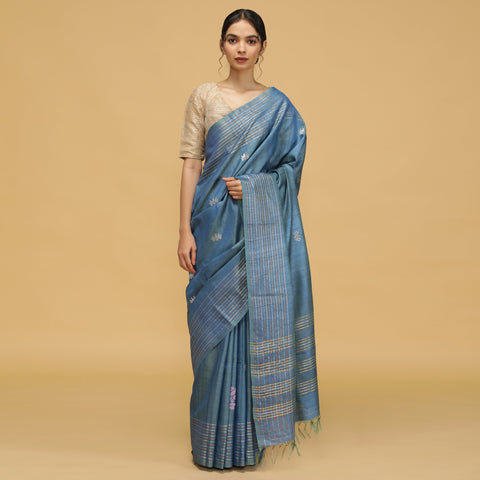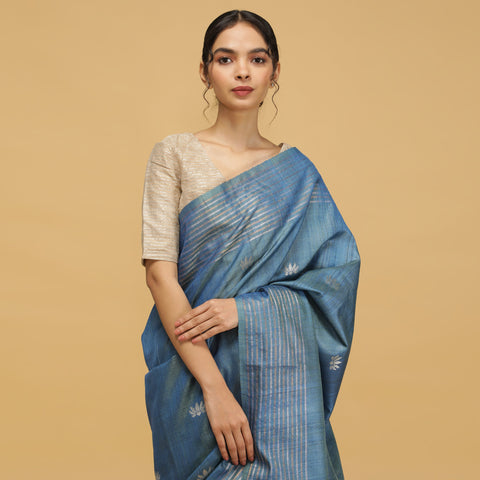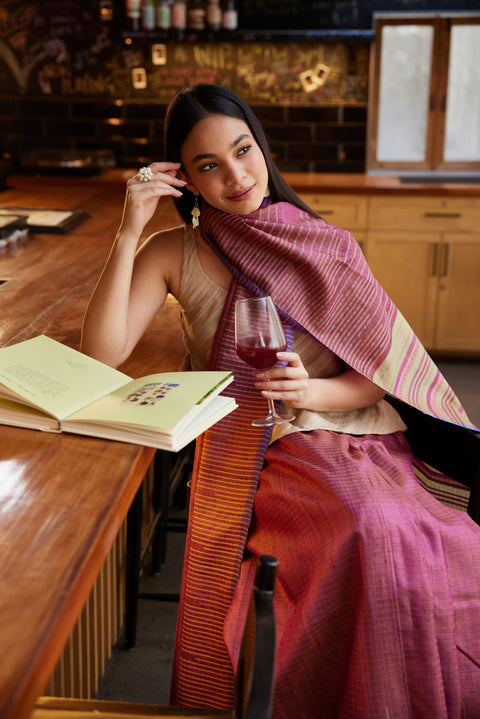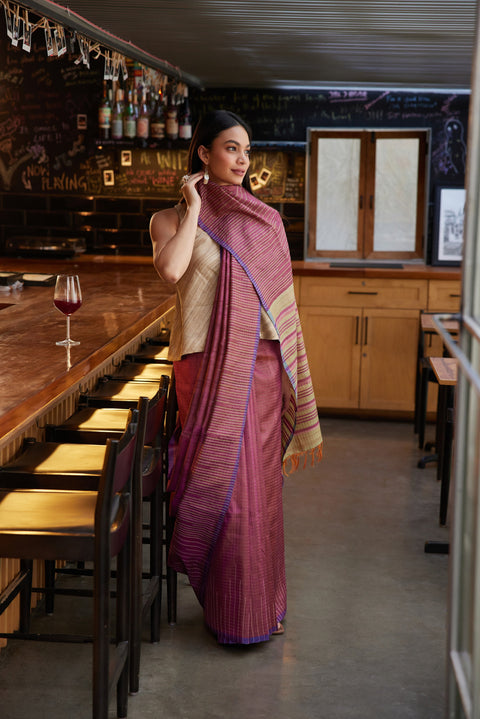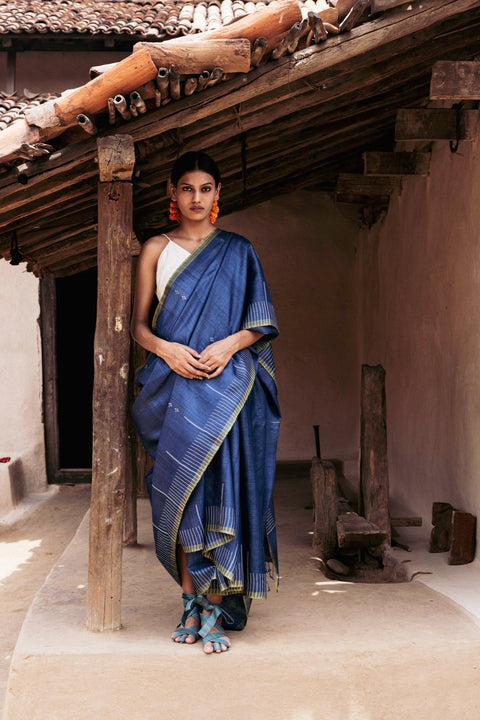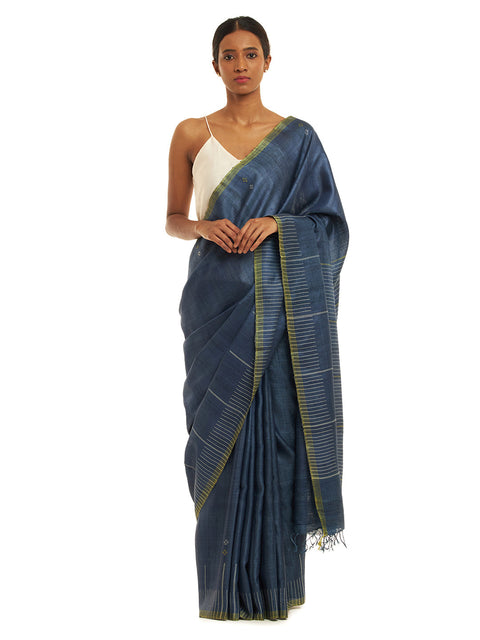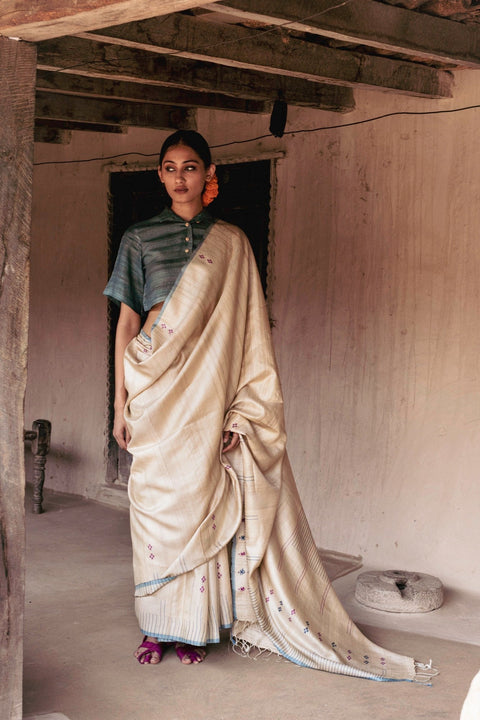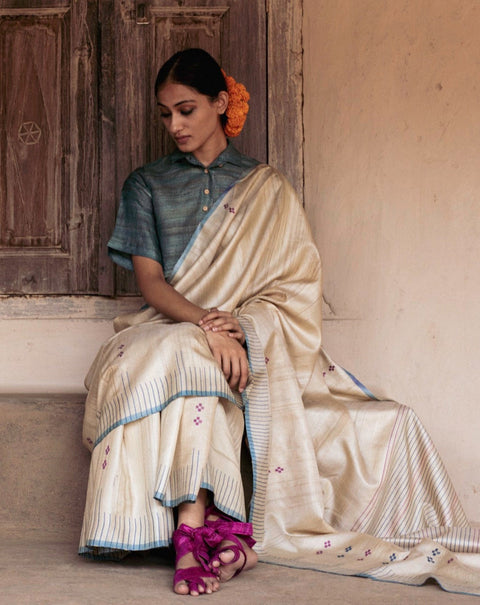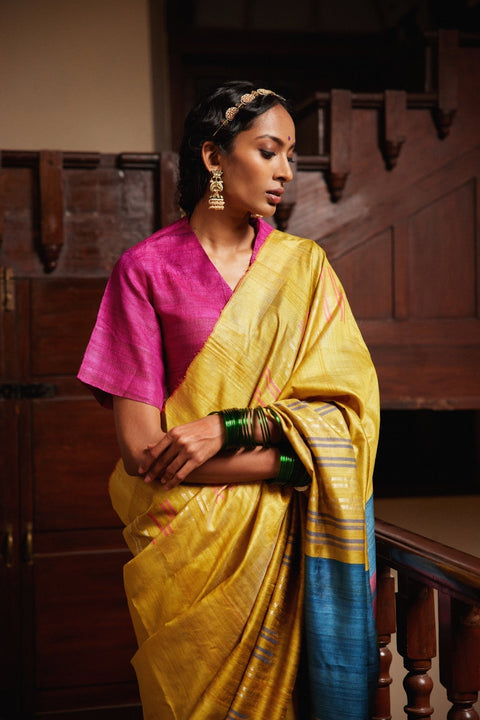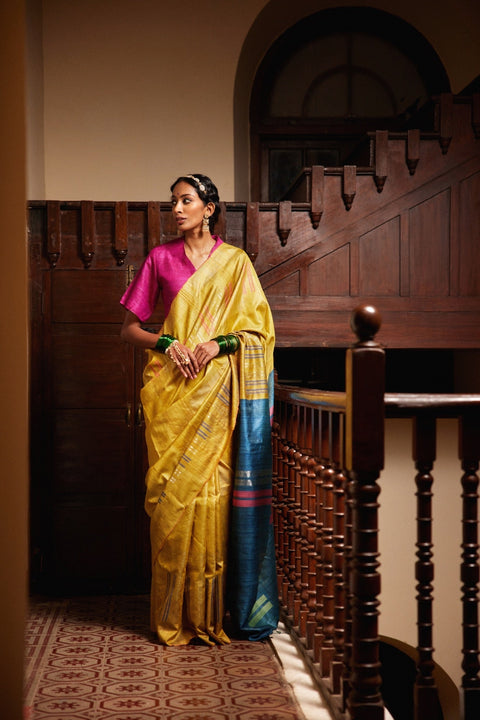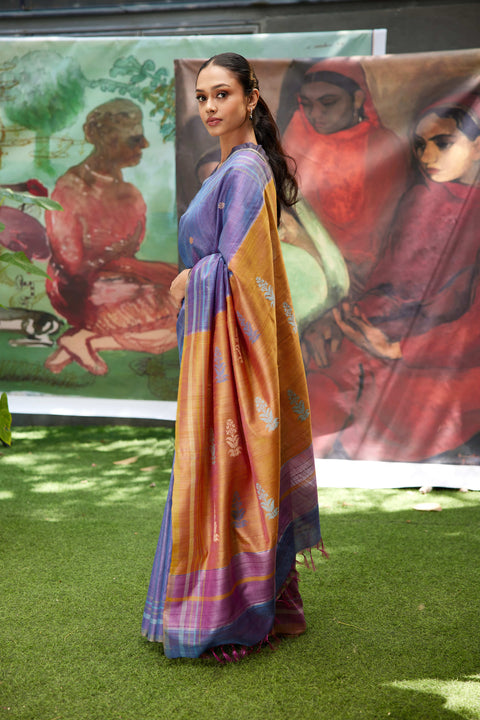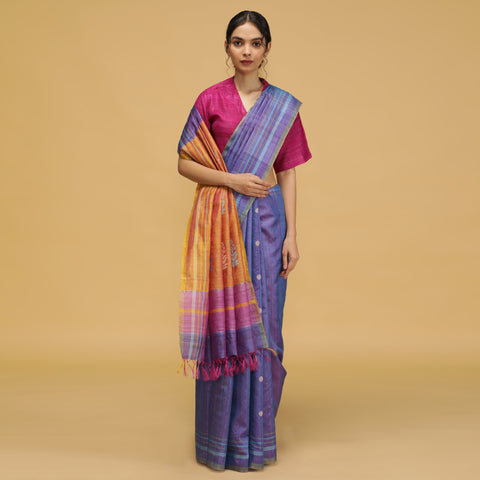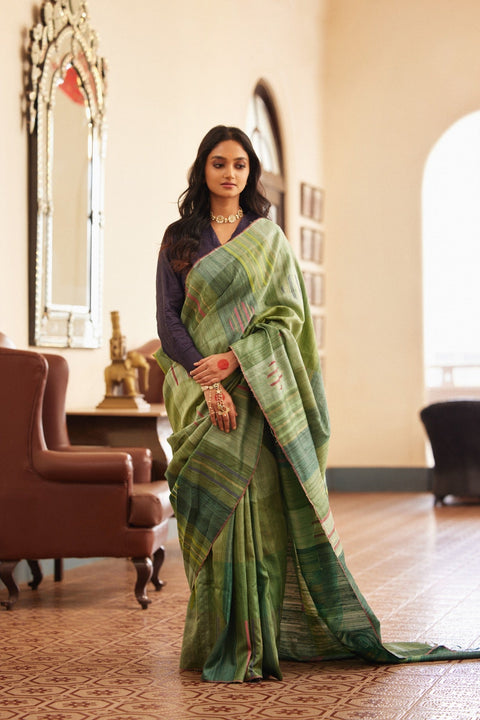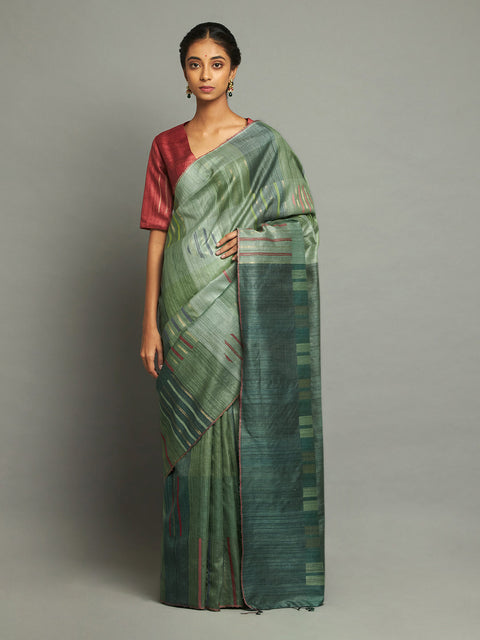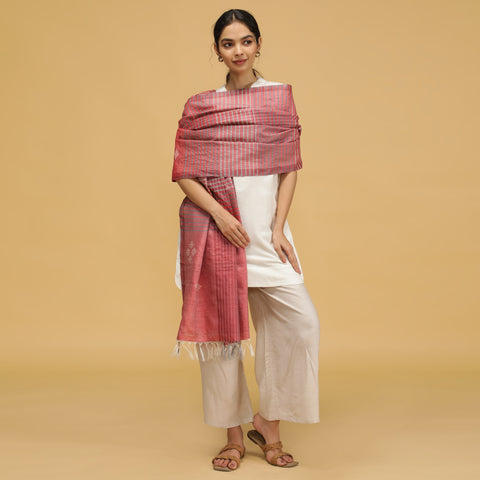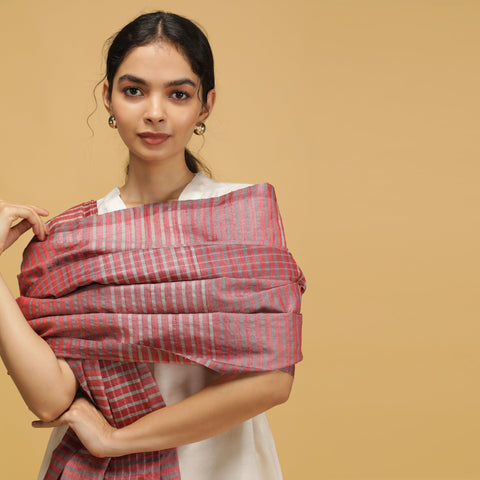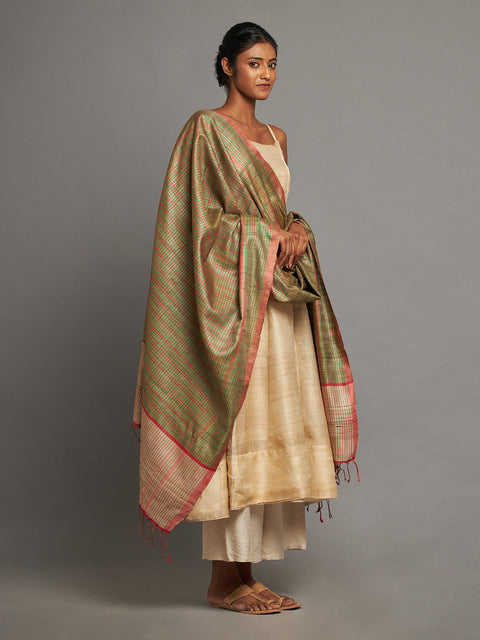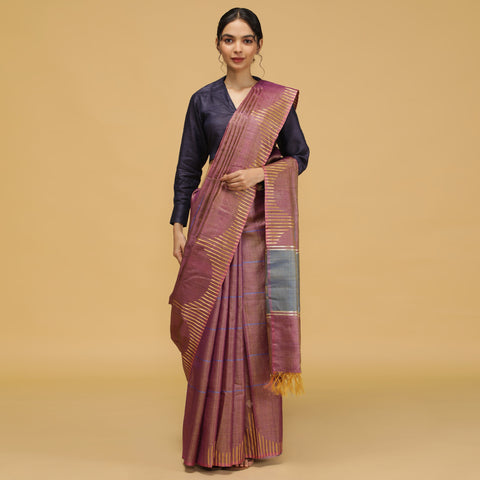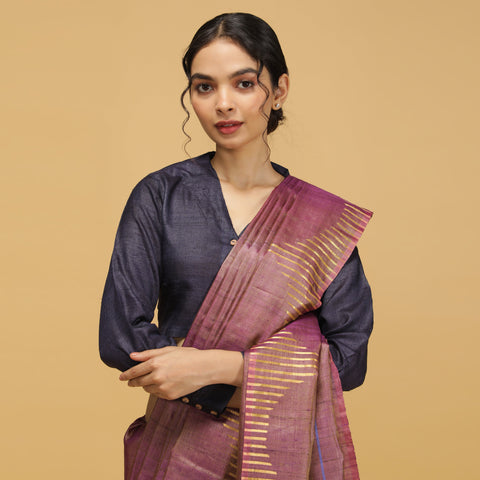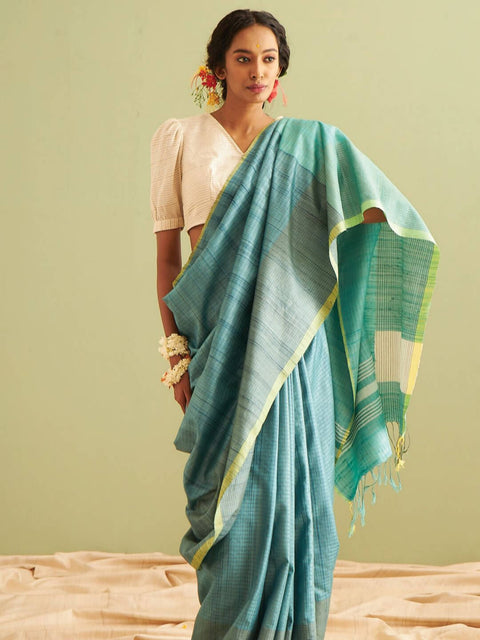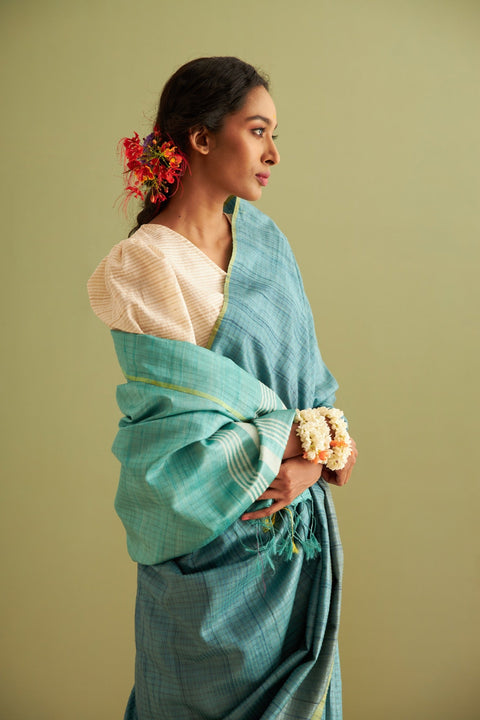
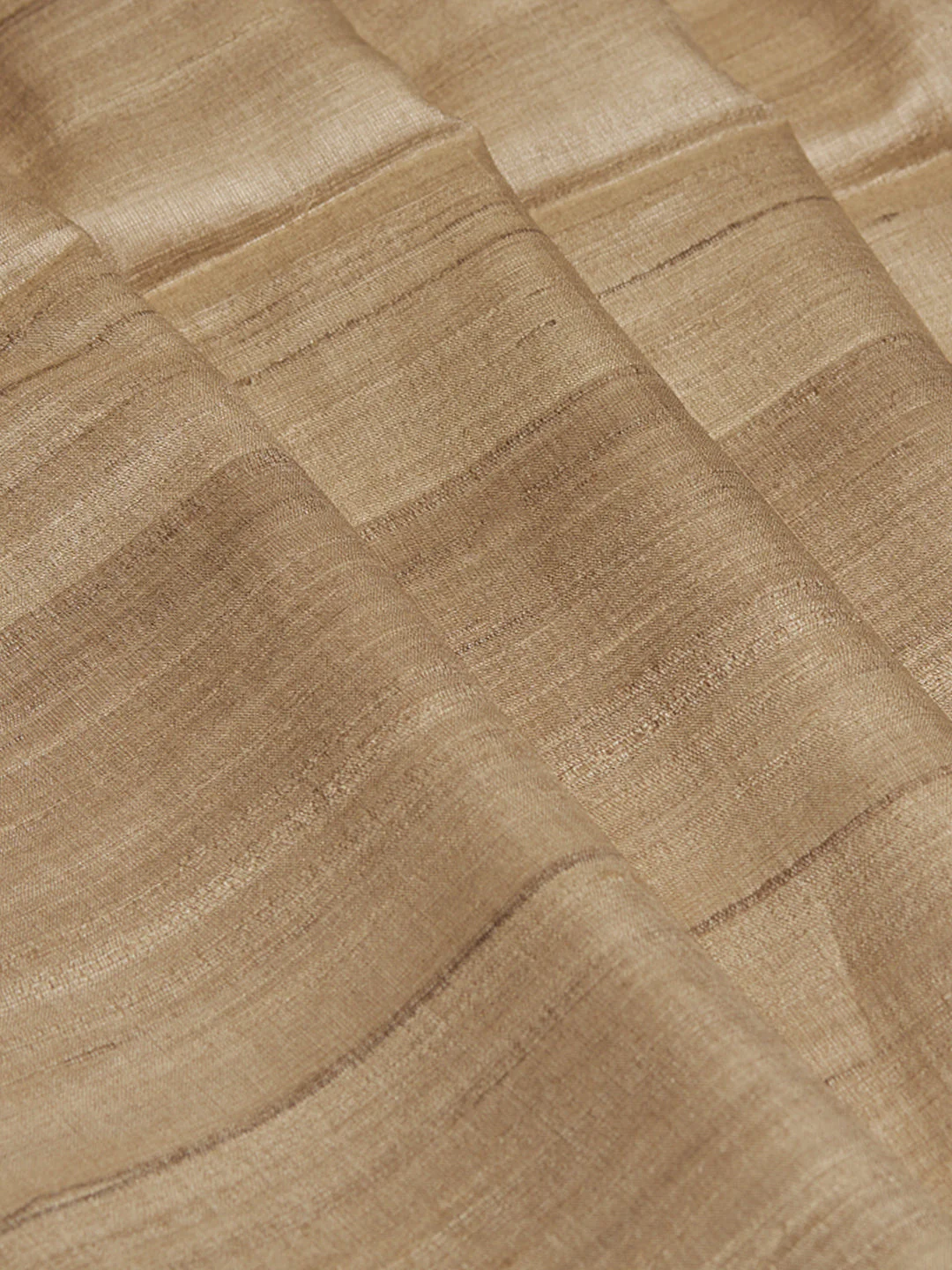
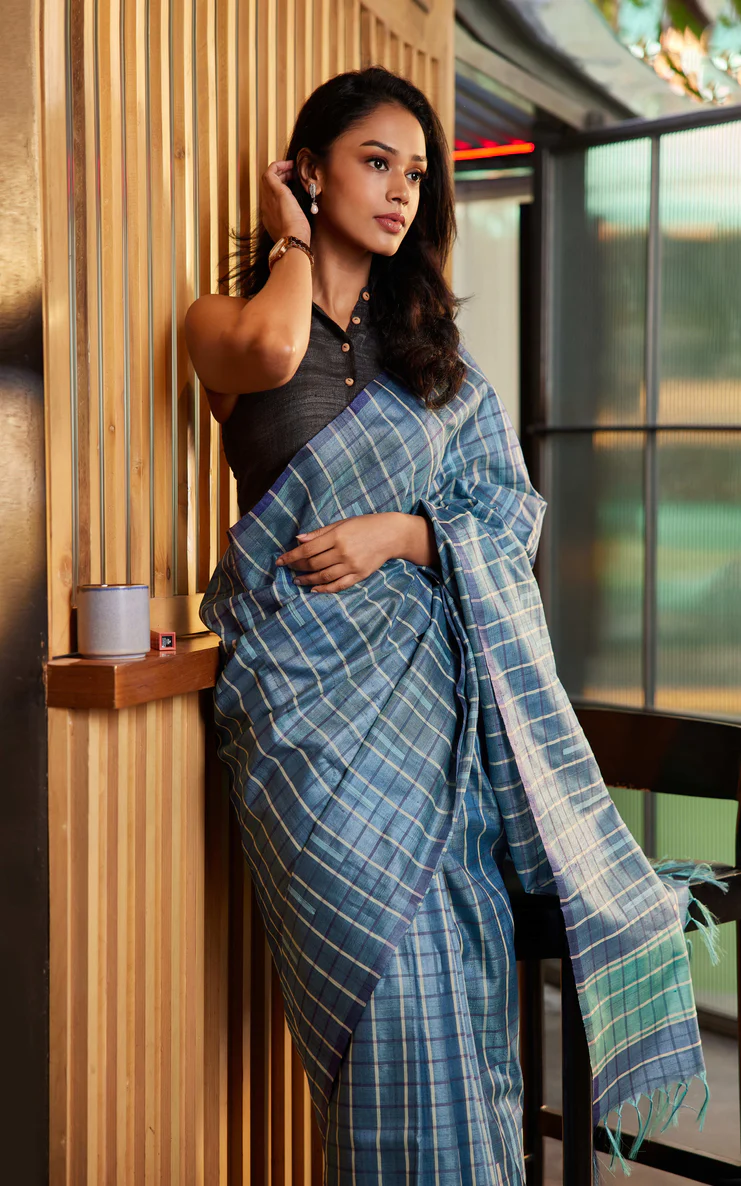
Without its classic silks, Indian fashion would not be complete. India, a nation of plenty, produces a wide range of silks, such as mulberry, muga, eri, tussar, and others. The fact that these silks are utilized in nearly every kind of clothing, from stoles to sarees, means that they are profoundly rooted in Indian culture. Kosa silk is one kind of silk that seems to stand out. Its significance, history, and texture all attest to the fact that it is unlike any other silk produced.
What is Kosa Silk?
Kosa silk is a type of Tussar silk produced from the larvae of the Antheraea mylitta silkworm.It is usually found in the forests of central India, particularly in the Korba and Champa regions of Chhattisgarh. It is valued for its characteristic rough texture and warm gold hues.
What makes it stand out?
There are many features of the Kosa silk fabric that distinguish it from others. First, let’s start with its durability. Kosa fibers are more durable than many silks,and they only get softer with time.Apart from this, the natural sheen, while less flashy than other silks, has a subtle, organic glow that looks luxurious without being loud. It is also very breathable and skin-friendly, making it ideal for India’s climate.
Cultural Significance
Kosa silk is not just worn, it is celebrated. No matter the occasion, whether it's a wedding, a temple festival, or even a family heirloom, Kosa silk is handed down through generations as a symbol of heritage. In tribal communities, it holds a sacred status and is often used in ceremonial attire.
Completely Sustainable and Eco-friendly
In an era of fast fashion, Kosa silk proudly represents slow, sustainable luxury. Many artisans use natural dyes derived from minerals, plants, and herbs, which eliminates the need for chemicals and benefits the environment. It is also woven on wooden looms, minimizing environmental impact. The entire Kosa silk industry supports a network of rural artisans who maintain these ethical and sustainable practices.
How to Identify Authentic Kosa Silk
There are 3 methods with which you can identify genuine Kosa silk.
The texture - Unlike other silks that are overly smooth, Kosa silk has a somewhat gritty texture.
The sheen - Kosa silk fabric lacks a glossy finish. It has a more matte-gold one instead.
The burn test - real silk when burnt leaves ash and smells like burnt hair.Sticky deposits and burnt plastic remnants would be left behind by artificial silk.
Modern Appeal of Kosa silk
From traditionalKosa Silk sareesand dupattas to modern blouses, jackets, dresses, and even menswear, Kosa silk's versatility enables it to be fashioned across a variety of styles. Its natural texture and soft shine create a perfect canvas for fusion designs, attracting both traditionalists and trendsetters alike. Fashion designers and luxury brands are also playing an important part in bringing back and reinventing the Kosa saree
Conclusion
The Kosa silk fabric showcases the very best of Indian handloom tradition. It is a fabric that is sustainable, soulful, and rooted in history. Its journey from tribal forests to fashion runways highlights its timeless appeal. Therefore, there can be no denying that Kosa silk is not merely just a fashion statement but a step towards conserving India's textile and cultural heritage.
Summer dressing in Indian ethnic wear usually comes down to one question:
What actually stays comfortable through the day?
The answer most people settle on is cotton. But Kosa silk handles summer better than most expect. The fabric breathes, moves without stiffness, and does not look overdone in afternoon light. A well-chosen co-ord set for women in Kosa gives you the ease of cotton with a finish that reads as intentional.
This blog covers what to look for, how to wear it, and when an easy kurta works better than a full set.
What Makes a Kosa Co-ord Set Work in Summer?
Kosa silk is a variety of Tussar silk with a textured hand and a matte sheen. It does not cling. The natural slub in the weave creates small air pockets between the fabric and the skin, which keeps the fabric from feeling heavy in heat.
Unlike high-sheen silks, Kosa does not trap warmth against the body. In direct sunlight, the matte finish reads cleanly without looking washed out. This is why a handloom co-ord set in Kosa works as well at a 2 PM lunch as it does at an evening function.
A few things that distinguish it:
Breathes better than Banarasi or Kanjeevaram in warm weather
The textured hand does not look limp, the way lightweight cotton often does
Natural slub adds visual interest without adding weight
Gets softer with wear, which matters for a garment you reach for often
Kosa behaves more like cotton in summer than most silk comparisons suggest, which is why a Kosa silk wardrobe built around seasonal wear makes more sense than most buyers expect.
Short Kurta or Full-Length: Which One to Pick?
Both work, but the decision depends on the occasion and how you prefer to dress.
A short kurta with palazzo or straight pants is the more practical silhouette for days with movement. The shorter length is easier to manage since there is no adjusting the hem, no fabric catching underfoot. It works well for office days, daytime events, and any occasion where you will be on your feet.
A longer, easy kurta worn without a set gives you more flexibility. You can pair it with different bottoms from your wardrobe and treat it as a standalone piece.
A short kurta in Kosa or Spun Tussar, cut with a relaxed fit and a clean hem, is usually the easiest starting point for a women's Kosa kurtas wardrobe that does not require rethinking every season.
How to Style a Co-ord Set Across Three Summer Occasions
The same co-ord set for women can cover different events depending on what you pair it with.
1/ Daytime gathering
Wear the set as-is. Flat kolhapuris or block heels, small gold or silver earrings, no dupatta. The matte finish handles daylight well without extra layering.
2/ Weekend or travel
Drape a light Kosa stole loosely over one shoulder. Easy footwear. The set packs flat and recovers quickly without ironing.
3/ Festive function
Add a statement earring and a potli bag. The Kosa fabric reads well in indoor lighting and holds its shape through long evenings.
Accessories and drape choices shift the same set across occasions, and the same logic applies to Kosa silk styling across other silhouettes too.
Short Kurta Co-ord Set
Easy Long Kurta
Best for
Office, daytime events, travel
Casual wear, home functions, solo styling
Pairing flexibility
Moderate - works as a set
High - pairs with multiple bottoms
Ease of movement
High
High
Festive readiness
With accessories
With dupatta or stole
Can You Split the Set?
Yes, and a good ethnic co-ord set in Kosa is designed to allow this.
The kurta top works well over jeans, straight cotton pants, or a skirt. The palazzo or pants from the set can be worn with a solid or printed kurta from elsewhere in your wardrobe. The key is that both pieces should have clean, unfussy edges and no embellishment that only makes sense when paired together.
What to check before splitting:
Does the kurta have a standalone neckline and hem?
Do the pants have a waistband that works without the kurta covering it?
Does either piece have detailing that reads odd without its pair?
A Kosa set that splits well gives you effectively three or four outfits from two pieces. That is the practical case for investing in a fabric and cut that lasts.
What to Look for in a Kosa Co-ord Set
The difference between a handloom summer kurta set and a fast-fashion alternative shows up when you wear it.
Kosala’s Handloom Kosa has a slight resistance to it as the fabric holds its shape through the day rather than drooping or creasing by afternoon. The natural slub means no two pieces are identical. The matte sheen does not fade wash to wash the way printed fabrics often do.
When assessing a set, check the weave density along the hem and at the seams. A loose weave will fray faster and lose structure.
Weave density is easiest to assess along the hem and at the seams. A tight, even weave in handloom silk holds structure far longer than a loose one, and the difference is visible before you buy.
A co-ord set in Kosa is built to the same weave standard as daily handloom sarees, which means the quality check is the same regardless of silhouette.
Co-ord Sets & Easy Kurtas in Kosa Silk: Frequently Asked Questions
Is Kosa silk too heavy for summer?
No. Kosa silk is lighter than Banarasi or Kanjeevaram and breathes well in warm weather. The natural slub creates airflow, making it one of the more comfortable silks to wear through a full summer day.
Can a co-ord set be worn to the office?
Yes. A co-ord set for women in a neutral or muted Kosa shade works well for office wear. Choose a short kurta with straight pants over palazzo for a cleaner, more structured silhouette.
What is the difference between a co-ord set and a kurta set?
A kurta set typically includes a kurta and dupatta. A co-ord set pairs a kurta or top with matching pants or skirt, designed to be worn as a two-piece coordinated look, with or without a dupatta.
How to care for a Kosa silk co-ord set?
Dry clean for best results. If hand-washing, use cold water and a mild detergent. Do not wring. Store flat or folded in a breathable cloth bag, away from direct sunlight to preserve the natural dye and texture.
Can you mix and match pieces from a Kosa co-ord set with other outfits?
Yes. Kosala Kosa co-ord sets are cut to work as separates. The kurta pairs well with cotton or linen pants, and the matching bottom works with solid or plain-weave tops. Choose sets with clean hems and unfussy detailing for the most versatility
Can one saree work for a:
Family puja
Office event
Wedding function
Festive dinner
… Without looking too plain or too loud?
Yes, that is where a beige silk saree stands apart. Beige has a calm, polished look, and silk brings texture and richness. When this shade meets Kosa silk, the result feels more particular. A beige Kosa silk saree carries the warmth of handloom fabric, the ease of a neutral colour, and a kind of versatility that does not depend on changing trends.
But beige is not one shade. And not every occasion suits it. Here is what you actually need to know before choosing one.
Which Shade of Beige Saree Are You Choosing?
Beige is not a single colour. In Kosa silk, it appears in a few distinct forms, and each one behaves differently on different skin tones and at different times of day.
1/ Warm gold-beige (natural undyed):
The original Kosa silk shade. Golden undertone, photographs well in daylight, suits most Indian skin tones. The most versatile of the three.
2/ Ivory-beige
Cooler and closer to off-white. Works for daytime events and temple visits. Can look washed out on deeper skin tones under low indoor lighting.
3/ Deep taupe-beige
Richer and browner. Holds up well in evening settings and pairs naturally with antique gold jewellery and darker blouses like maroon or black.
How Beige Works Across Occasions
A beige silk saree does not look the same at every occasion. What changes the look is not just the jewellery or the blouse. It is the border and pallu design on the saree itself. Getting this right is where most buyers skip a step.
1/ Wedding functions
Heavy zari border, four to six inches wide. Structured pallu with geometric or temple motifs. The gold zari on beige reads rich without being loud, and the woven pallu adds formality without competing with the bride's look.
2/ Festive pujas and home ceremonies
A narrow zari border or a contrast border in rust, red, or deep green works well. The pallu can be plain or lightly woven. Among pure Kosa silk sarees, undyed gold-beige with a single contrast border reads perfectly for a puja setting.
3/ Office events and celebrations
Minimal border: thin zari lines, a subtle woven stripe, or none at all. Keep the pallu clean and short. A heavy pallu tips the look into overdressed territory. The natural slub of Kosa silk does enough on its own.
4/ Daytime family gatherings
Simple border, small pallu, light blouse. A plain weave body with a light woven motif on the pallu works well. Add pearls or a single gold chain and leave it at that.
Where a Beige Saree Does Not Work as Well
Beige is a strong choice in most settings. Being honest about where it does not work is equally useful.
1/ Haldi ceremonies
Turmeric stains are difficult to remove from natural silk. Most experienced saree wearers avoid wearing beige to haldi functions.
2/ Heavily lit evening receptions
Under cool white or LED overhead lights, beige can look flat and slightly grey. Warm gold-beige or taupe-beige handles bright venues better than ivory-beige.
3/ Occasions with a stated colour theme
Mehendi, sangeet, and coordinated family ceremonies often have specific colour palettes. Beige does not integrate into most of these. Save the beige silk saree for unthemed occasions.
4/ Very dark indoor settings
Beige needs ambient light to read well. In heavily draped or candlelit spaces, the colour disappears into itself.
Beige Kosa Silk vs Other Fabrics in Beige
Beige comes in many fabrics, and not all of them work the same way.
Feature
Beige Kosa Silk
Beige Banarasi Silk
Beige Georgette
Drape
Structured, holds pleats
Stiff, heavy
Loose, fluid
Sheen
Matte sheen
High gloss
Flat
Weight
Light to medium
Heavy
Very light
In daylight
Reads clearly, no washout
Can look pale and flat
Flat
In indoor light
Holds depth and texture
Rich, but heavy
Casual
Occasion suitability
Weddings, office, festive, daytime
Heavy ceremonies
Casual settings
Repeatability
High
Lower
High
Over time
Gets softer with wear
Stays stiff
Degrades faster
Kosa silk's matte sheen holds its character in both indoor and outdoor settings, which is one reason it holds up better across occasions than high-gloss alternatives. Kosa silk has a distinct texture and matte finish that determines whether Kosa is the best silk in how it drapes and wears.
Georgette in beige is easy to wear but has no structure. It reads as casual. The same occasion that calls for a Kosa saree would look underdressed in beige georgette. Kosa silk's difference from Tussar in terms of drape and body is worth understanding if you are deciding between the two. Kosa silk sits within the Tussar family, but the two differ in texture and origin.
What to Look for in a Beige Kosa Saree
If you are choosing a beige Kosa silk saree, focus on the border and weave character, not just the colour.
A good beige Kosa silk saree will:
Show natural slub across the body: small horizontal irregularities in the thread
Have a matte finish, not a glassy or synthetic sheen
Drape with body and not collapse when held up
Have a border that is woven into the fabric, not printed or embroidered on top
The beige in Kosa silk comes from either natural undyed thread, where the fabric keeps its original earthy gold tone, or from dyed thread in ivory, cream, or taupe. Both are fine. The difference is mainly in how warm or cool the shade reads against your skin.The natural undyed version holds both daylight and indoor light well, making it a common choice for wedding silk sarees.
The texture, fall, and matte sheen of Kosala’s beige Kosa silk sarees come from the fabric's construction, not from finishing treatments.
Conclusion
A beige silk saree stays relevant not because beige is a trend, but because it is a decision. The shade gives you room to change the styling, the occasion, and the mood without the saree fighting you on it.
In Kosa silk, beige carries additional texture from the natural slub and warmth from the handloom weave that flat or synthetic fabrics do not match. Know which shade of beige you are working with, check whether the border suits the occasion, and be aware of where beige does not serve you. That combination turns a nice-looking saree into one you actually wear.
Beige Kosa Silk Saree Frequently Asked Questions:
1. Is a beige silk saree suitable for weddings?
Yes. A beige Kosa silk saree with a wide zari border and a woven pallu works well for daytime ceremonies, receptions, and family functions. Pair it with antique gold jewellery for a festive look.
2. What blouse colour works best with a beige Kosa saree?
Gold, maroon, rust, black, deep green, and brown all work well. For a softer look, ivory or champagne are good options. Jewel tones like emerald or ruby create a stronger contrast.
3. Which shade of beige is most versatile?
Warm gold-beige, the natural undyed Kosa silk, is the most versatile. It photographs well in daylight and holds depth in indoor lighting. Ivory-beige suits daytime, and taupe-beige works better in evening settings.
4. Can a beige saree be worn for evening events?
Yes, with the right shade. Taupe-beige or warm gold-beige hold better under evening lighting than ivory-beige. Pair with antique gold jewellery and a darker blouse for a deeper look.
5. Where does a beige saree not work?
Avoid beige at haldi ceremonies (turmeric stains silk permanently), under cool LED banquet lighting (colour reads flat), and at colour-coordinated group functions where a specific shade is expected.
6. How is beige Kosa silk different from beige Banarasi?
Kosa silk in beige has a matte sheen that reads clearly in both daylight and indoor settings. Banarasi in beige has a high gloss that can wash out outdoors. Kosa is also lighter, which makes it more comfortable for long events.
Which Kosa silk pattern are you - floral or stripes?
Pattern choice is not just a visual preference. It reflects how you carry yourself, what occasions you're dressing for, and how much the saree needs to do on its own. A floral or striped saree can suit the same person on different days for different reasons.
This guide breaks down what each pattern says, where each one works, and how to make the call.
What Does a Floral Kosa Saree Say?
Florals on Kosa silk are not the same as florals on georgette or chiffon. Kosa gives the surface a slight texture, which means woven floral motifs have more depth than printed ones. The motif does not sit flat as it carries the movement of the weave with it.
Buyers drawn to floral Kosa sarees tend to prefer visual softness over visual sharpness. They like a saree that moves the eye across the body rather than down it. Florals work across a wide range of floral saree personality types: the person who wants warmth at a family gathering, the one who wants quiet expressiveness at a festival, the one buying something that photographs well without effort.
Among the range of silk saree patterns available in Kosa silk, florals remain the more versatile of the two for occasion variety.
Key things to know about floral Kosa sarees:
Small, scattered motifs suit daytime and semi-formal wear, read as refined, not loud
Larger floral repeats carry more presence and work better for evening events and wedding functions
Woven florals age better on silk than printed florals, so the motif stays intact through repeated wear
A plain or lightly worked blouse keeps the floral body as the focus
Who Reaches for a Striped Kosa Saree?
Stripes on Kosa silk are not the same as stripes on a flat fabric. The natural slub breaks the hard edge slightly, keeping it clean from a distance but handcrafted up close.
The Phera weaving tradition draws from geometric and linear patterns, so stripes are not a modern addition to Kosa silk. They are part of its original design vocabulary.
Buyers drawn to stripes tend to be decisive dressers. They want the saree to hold together without much styling effort.
A striped saree pattern for wedding guest functions, office wear, or formal daytime events reads sharp and pulled-together.
What stripes work best for:
Formal occasions - stripes cut a precise silhouette
Photography - vertical stripes elongate the frame and photograph cleanly without visual noise
Practical dressers - a stripe pairs with almost any blouse, in contrast or tone-on-tone
Women who prefer structure in their drape over softness
How Does the Occasion Change the Equation?
This is where most people get stuck. Both patterns work across occasions, but they do so differently. The table below helps map a striped saree occasion versus a floral one across the most common buying scenarios.
Occasion
Floral Kosa Saree
Striped Kosa Saree
Wedding function (guest)
Works well- especially soft, large motifs in deep tones
Works well especially in jewel tones with contrast border
Daytime family ceremony
Strong fit - small florals in muted colours
Good fit - lighter stripe in ivory, sage, or pastel
Festive wear (Diwali, Navratri)
Very strong fit - warmth and movement suit the occasion
Works in bold colour combinations
Office or semi-formal
Works if motif is small and restrained
Very strong fit - clean stripe reads professional
Gifting
Both work equally - depends on recipient's style
For wedding silk sarees, a Kosa silk saree in either pattern holds its drape through long ceremonies without becoming stiff or heavy. The fabric's weight and matte sheen mean it stays appropriate from daytime rituals through evening receptions.
Among Kosa silk sarees, the pattern choice ultimately becomes a question of what the occasion needs: warmth and expressiveness, or structure and precision.
Does the Fabric Change How the Pattern Reads?
Yes and this matters more than most buyers realise.
Kosa silk has a handloom saree design character that sets it apart from smooth silks. On smooth silk, both florals and stripes carry sharp edges. On Kosa silk, those edges soften slightly, which works in favour of both patterns in different ways:
Florals gain depth - the motif reads more three-dimensional against a textured ground
Stripes gain warmth - the slight irregularity of the weave keeps stripes from looking too rigid
This is why a Kosa silk saree pattern reads differently from the same pattern on chiffon or Banarasi. The fabric is doing part of the visual work. When styling a saree simply with minimal accessories, Kosa silk's natural texture ensures the pattern does not need embellishment to feel complete.
Printed florals on Kosa silk behave slightly differently from woven ones as the slub can interrupt a fine printed motif, which is why woven motifs tend to be the stronger long-term choice on this fabric.
Which Pattern Works Best on Kosa Silk?
Kosala Kosa silk sarees carry both patterns in woven form, which means the motif is built into the fabric rather than applied on top of it. Woven patterns in Kosa silk hold their shape through wear, maintain colour with proper care, and age into the fabric rather than fading from it.
If you reach for softness, florals. If you reach for structure, stripes. If the occasion calls for warmth, florals. If it calls for precision, stripes. Most wardrobes have room for both since they serve different versions of the same woman on different days.
A Kosa silk saree in either pattern begins with the same foundation: handloom weaving, natural slub, textured hand. The pattern is the personality on top of that. Choose the one that fits the day. Among pure silk sarees at this weave quality, the pattern is the last decision and often the most personal one.
Floral or Striped Saree: Frequently Asked Questions
Which is better for a wedding function - a floral or striped saree?
Both work for wedding functions. Florals suit warmer, expressive occasions; stripes suit formal daytime events. Choose based on time of day, your role, and the colour palette of the event.
Do stripes on Kosa silk look different from stripes on other silks?
Yes. Kosa silk's natural slub softens the stripe's edge slightly, giving it warmth without losing structure. On smooth silk, stripes read sharper and more formal.
Are woven florals better than printed florals on Kosa silk?
Woven florals hold their shape and colour longer. Printed florals can be interrupted by Kosa's natural slub, which may affect motif clarity over time. For long-term wear, woven is the stronger choice.
Can a striped Kosa saree work for office wear?
Yes. A vertical stripe in a restrained colour combination reads professional and structured. It is one of the cleaner patterns for formal work settings. Kosala striped Kosa sarees work well across formal and semi-formal office occasions.
Is a floral Kosa saree appropriate for gifting?
Yes. A floral Kosa silk saree in a mid-range palette works for most recipients across age groups. If you are unsure of the recipient's preferences, a small, scattered motif in a neutral or warm base is the safest choice