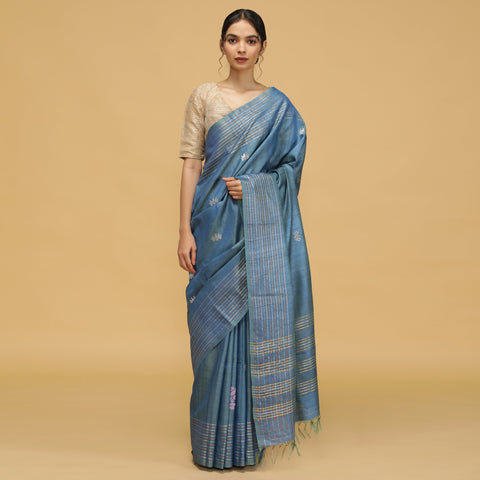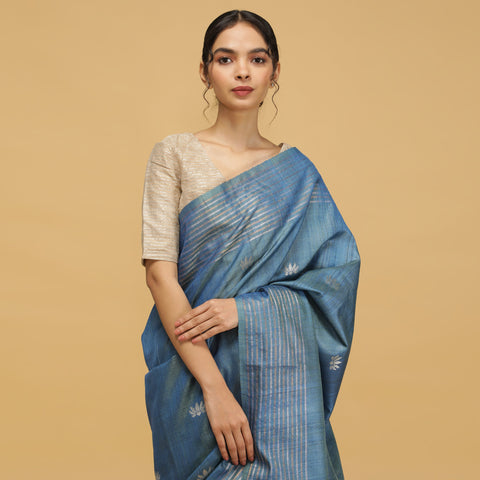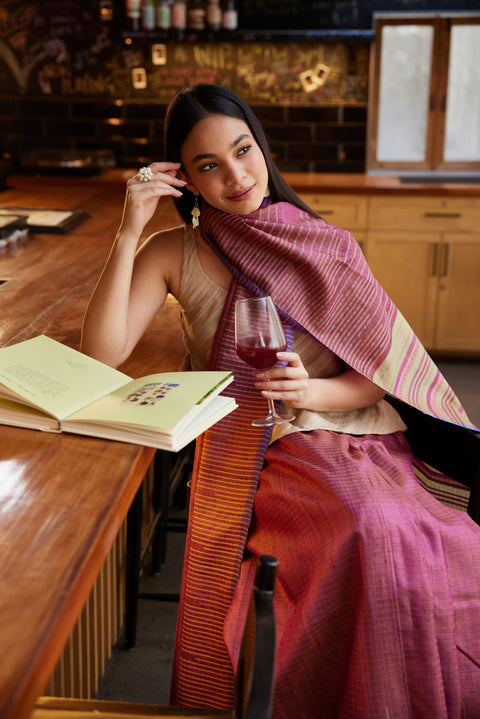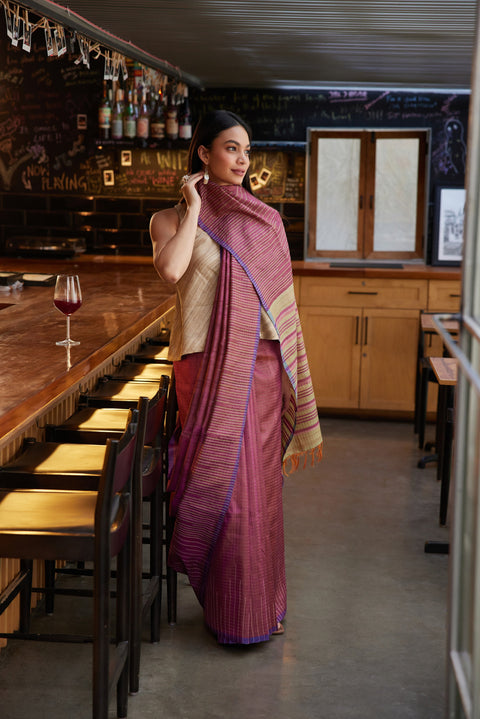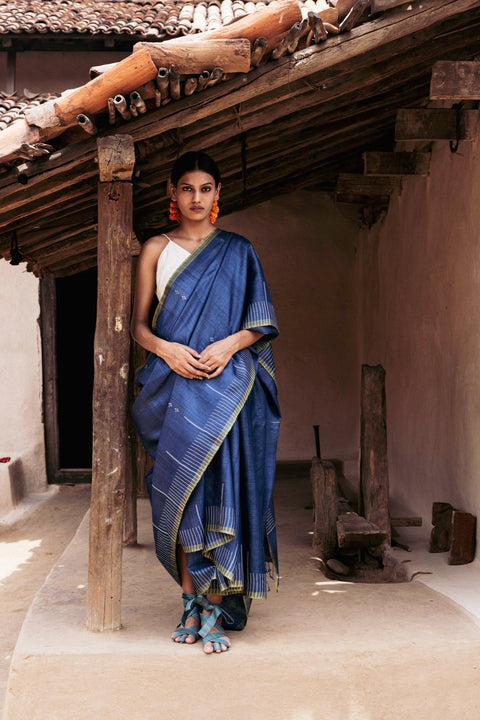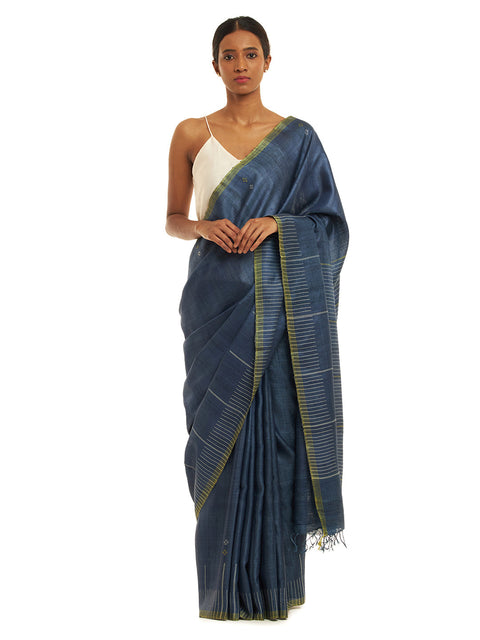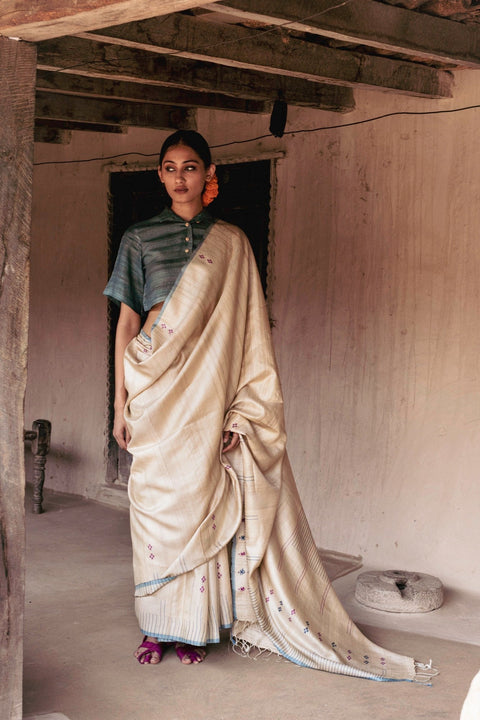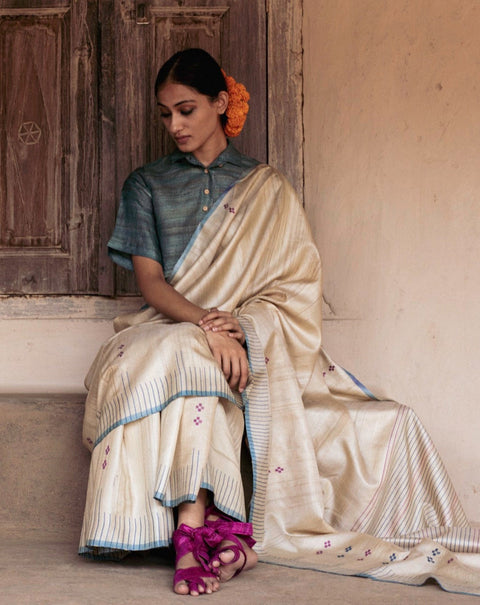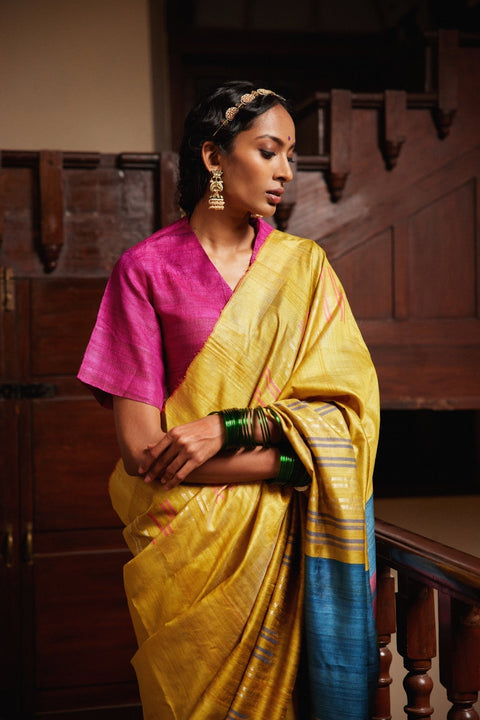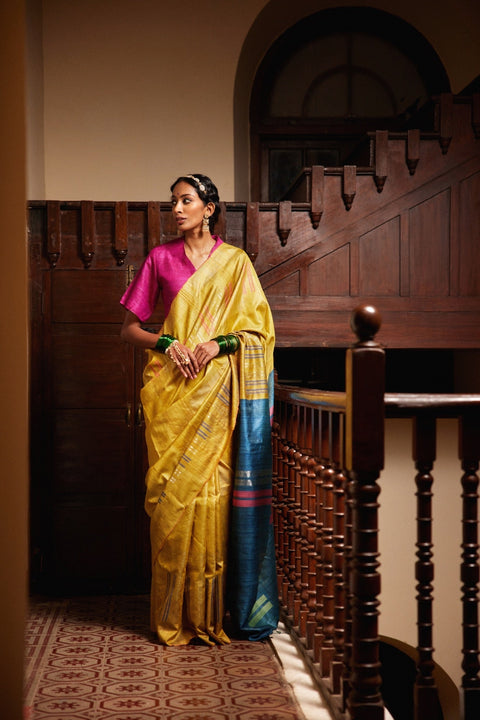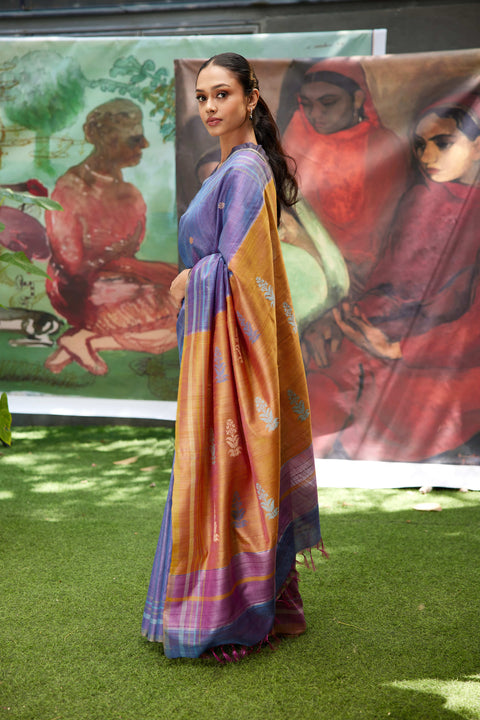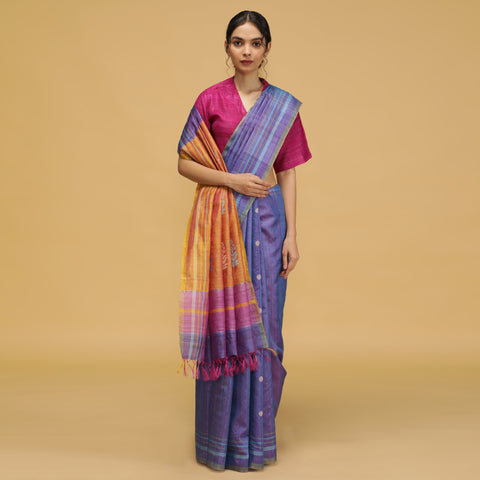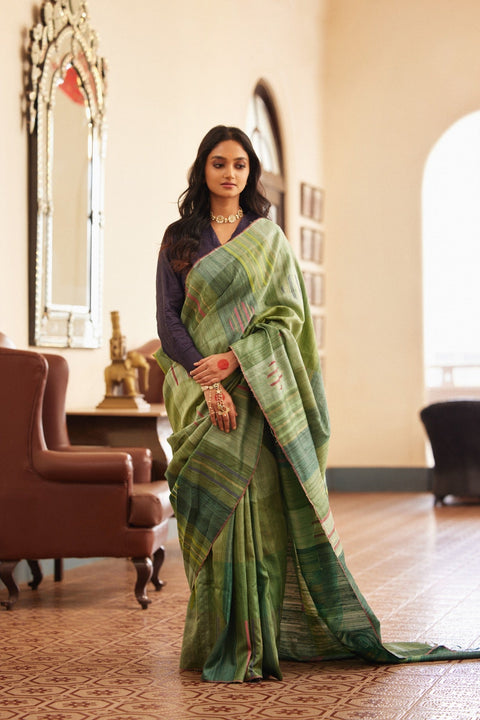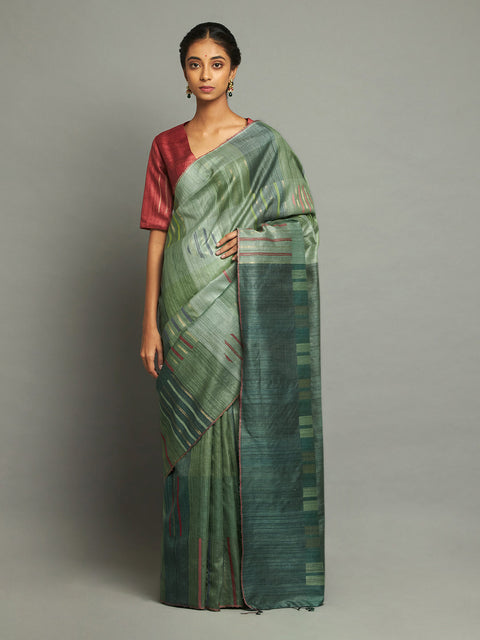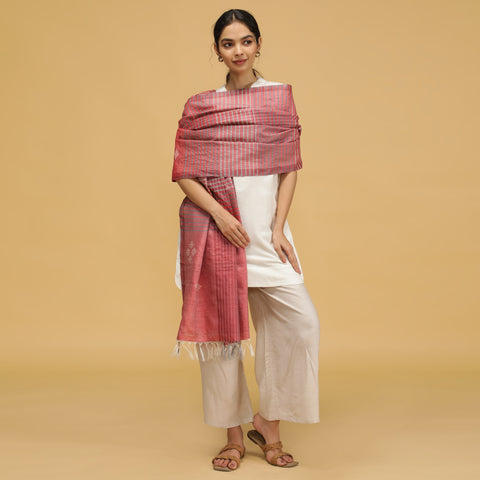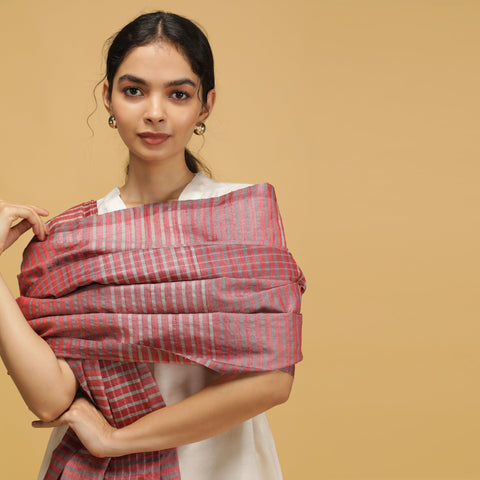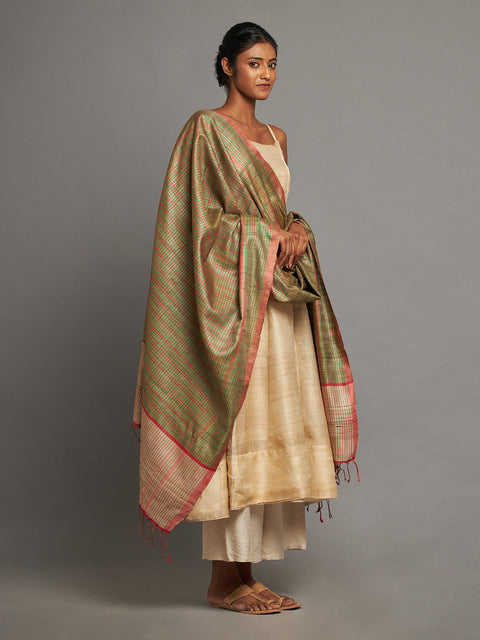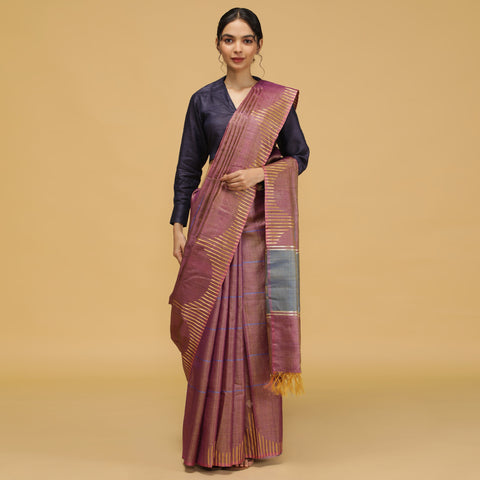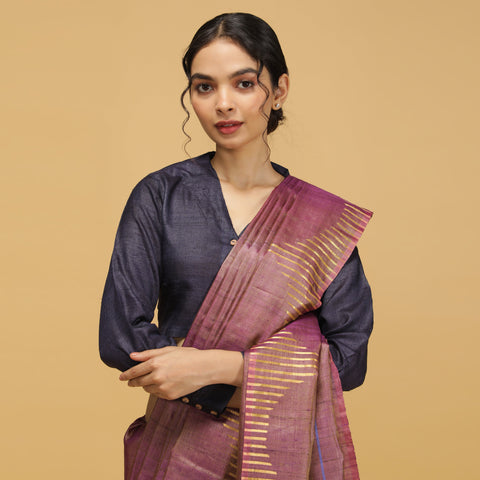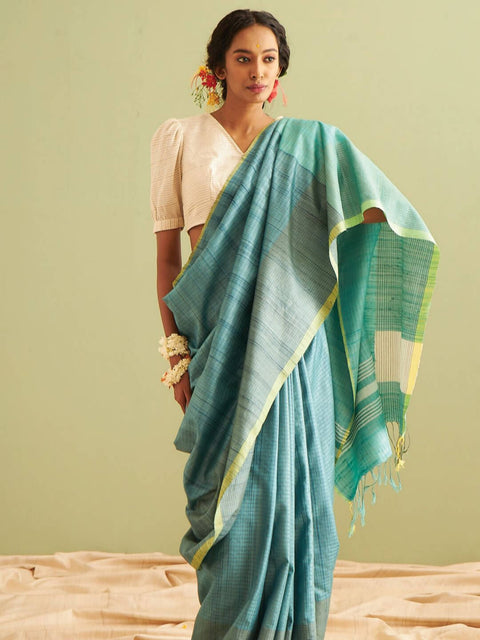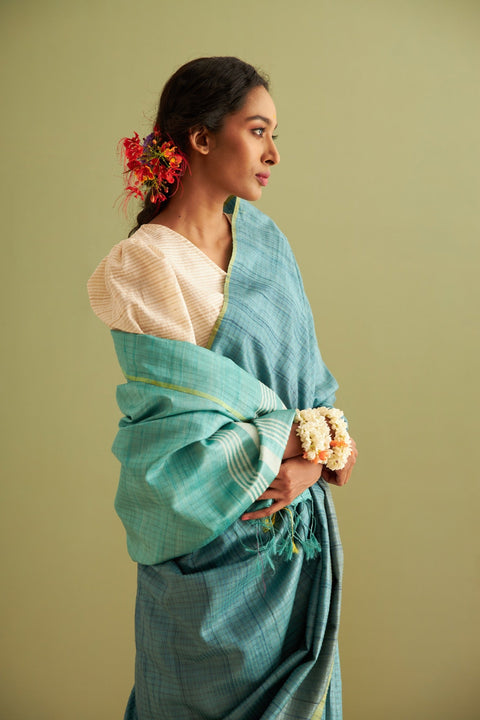
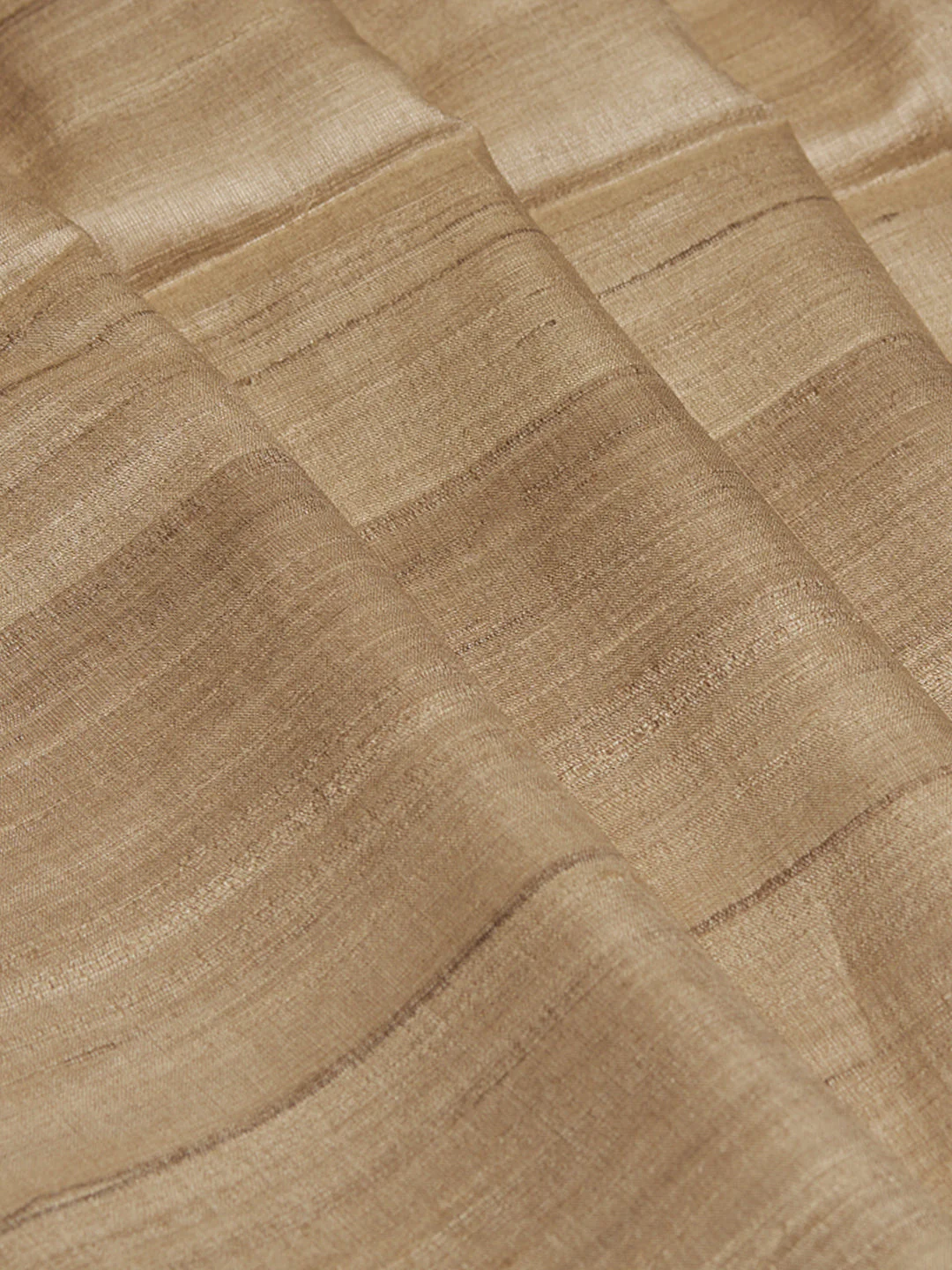
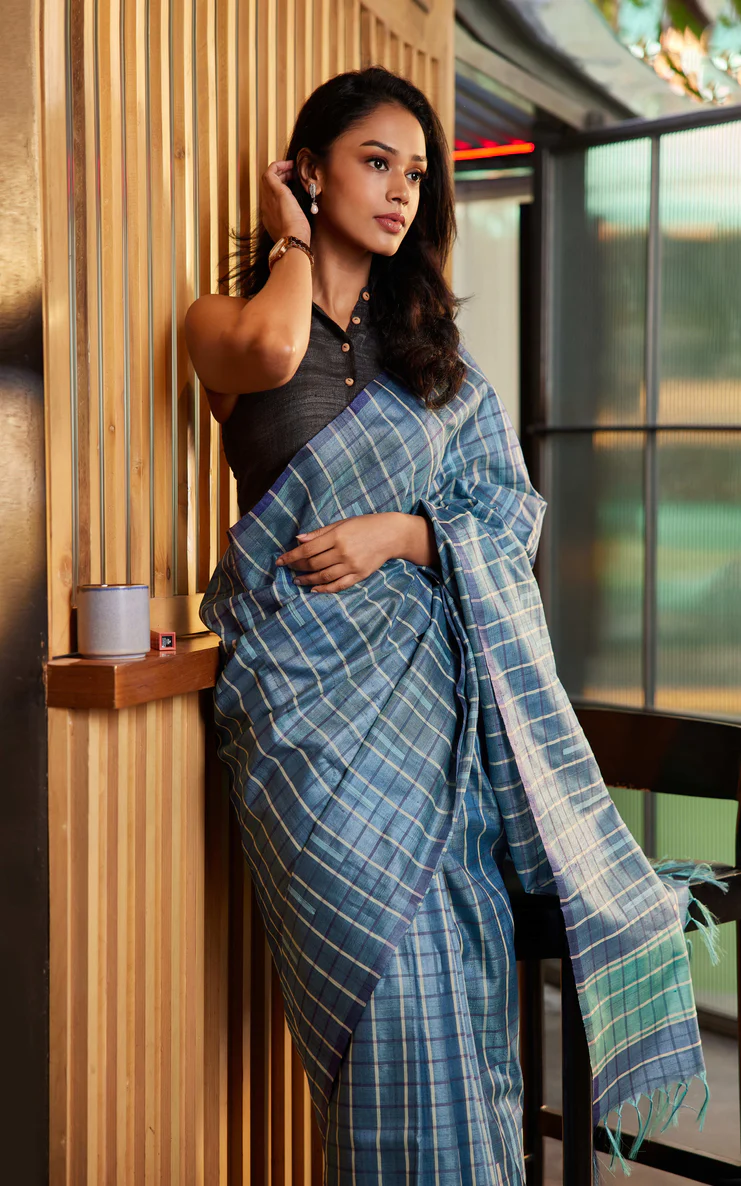
Without its classic silks, Indian fashion would not be complete. India, a nation of plenty, produces a wide range of silks, such as mulberry, muga, eri, tussar, and others. The fact that these silks are utilized in nearly every kind of clothing, from stoles to sarees, means that they are profoundly rooted in Indian culture. Kosa silk is one kind of silk that seems to stand out. Its significance, history, and texture all attest to the fact that it is unlike any other silk produced.
What is Kosa Silk?
Kosa silk is a type of Tussar silk produced from the larvae of the Antheraea mylitta silkworm.It is usually found in the forests of central India, particularly in the Korba and Champa regions of Chhattisgarh. It is valued for its characteristic rough texture and warm gold hues.
What makes it stand out?
There are many features of the Kosa silk fabric that distinguish it from others. First, let’s start with its durability. Kosa fibers are more durable than many silks,and they only get softer with time.Apart from this, the natural sheen, while less flashy than other silks, has a subtle, organic glow that looks luxurious without being loud. It is also very breathable and skin-friendly, making it ideal for India’s climate.
Cultural Significance
Kosa silk is not just worn, it is celebrated. No matter the occasion, whether it's a wedding, a temple festival, or even a family heirloom, Kosa silk is handed down through generations as a symbol of heritage. In tribal communities, it holds a sacred status and is often used in ceremonial attire.
Completely Sustainable and Eco-friendly
In an era of fast fashion, Kosa silk proudly represents slow, sustainable luxury. Many artisans use natural dyes derived from minerals, plants, and herbs, which eliminates the need for chemicals and benefits the environment. It is also woven on wooden looms, minimizing environmental impact. The entire Kosa silk industry supports a network of rural artisans who maintain these ethical and sustainable practices.
How to Identify Authentic Kosa Silk
There are 3 methods with which you can identify genuine Kosa silk.
The texture - Unlike other silks that are overly smooth, Kosa silk has a somewhat gritty texture.
The sheen - Kosa silk fabric lacks a glossy finish. It has a more matte-gold one instead.
The burn test - real silk when burnt leaves ash and smells like burnt hair.Sticky deposits and burnt plastic remnants would be left behind by artificial silk.
Modern Appeal of Kosa silk
From traditionalKosa Silk sareesand dupattas to modern blouses, jackets, dresses, and even menswear, Kosa silk's versatility enables it to be fashioned across a variety of styles. Its natural texture and soft shine create a perfect canvas for fusion designs, attracting both traditionalists and trendsetters alike. Fashion designers and luxury brands are also playing an important part in bringing back and reinventing the Kosa saree
Conclusion
The Kosa silk fabric showcases the very best of Indian handloom tradition. It is a fabric that is sustainable, soulful, and rooted in history. Its journey from tribal forests to fashion runways highlights its timeless appeal. Therefore, there can be no denying that Kosa silk is not merely just a fashion statement but a step towards conserving India's textile and cultural heritage.
Most women who love sarees are not looking to reinvent them.
They want to wear what they own to more occasions. They want to feel current without feeling like a costume. And they want the whole thing to hold together, not look like a saree that got confused halfway through getting dressed.
Styling a saree in a modern way is not about adding a belt and calling it contemporary. It is about knowing which elements you can shift and which ones you should leave alone.
What Actually Changes When You Style a Saree Modernly?
Three things can change without touching the drape itself: your blouse, your accessories, and how you handle the pallu.
The drape structure is not the problem. Most traditional drapes, the Nivi style in particular, already read as clean and versatile. What ages a look is usually the styling around the drape, not the drape itself.
Here is what this means in practice:
The blouse is the fastest update. Neckline, sleeve length, and back detail all shift the mood significantly.
Accessories carry more weight than most people expect. Scaling back, or choosing differently, changes the look entirely.
Pallu placement affects how formal or relaxed the drape feels, without requiring you to re-drape.
What to leave alone: the pleats, the tuck, the overall fall of the fabric.
Which Blouse Styles Work Without Undermining the Saree?
The blouse is doing a lot of work in a modern saree look. It can update without disrupting, if the choices are made with the fabric in mind.
For textured silks, certain cuts work better than others. Heavily embellished blouses compete with the fabric's texture. Clean, well-fitted cuts let the saree carry the visual weight.
Saree blouse designs that hold elegance in a modern context:
Boat neck or square neck - structured without being conservative; works well for office and daytime events
Deep V-back with covered front - adds interest from behind, stays composed from the front
Full-sleeve fitted blouse - reads formal in a contemporary way, particularly good for silk sarees at workplace events
Sleeveless with a clean armhole - works for festive or evening occasions; best with minimal jewellery
Collared shirt-style blouse - strong choice for a professional setting; keeps the look grounded
The key with all of these: fit. A poorly fitted blouse undoes a good saree faster than any styling choice. If you are pairing modern blouse cuts with a textured handloom silk, understanding the right blouse designs for Kosa silk will save you guesswork.
How Should You Handle the Pallu for a Modern Look?
The pallu is where a lot of the formality lives in a traditional drape. Adjusting it is one of the simplest ways to shift a modern saree look without changing anything else.
Three pallu options, and when each makes sense:
Pre-pinned at the shoulder - neat, contained, works well for office wear, travel, or any setting where you are moving around. The saree holds its shape without constant adjustment.
Pleated and draped over the arm - more relaxed than a shoulder pin. Works for receptions, dinners, or semi-formal events where you want the pallu present but not structured.
Left to fall freely - works only when the fabric has enough body to hold a clean fall. Kosa silk, with its textured hand and natural structure, handles this well. Lighter fabrics can look undone.
Pre-pinning is the single biggest practical shift for styling a saree in a modern context. It changes how you move in it and how it reads in photographs.
What Accessories Update a Saree Without Overpowering It?
Traditional saree accessories tend to be layered: necklace, earrings, bangles, maang tikka, and sometimes a nose ring. For a modern look, the shift isn't about removing it all. It is about choosing one element to anchor and letting the rest be.
The earring is usually the anchor. A strong pair of earrings, jhumkas, chandbalis, or even structured geometric drops, carries enough visual weight that the rest of the jewellery does not have to work as hard.
Traditional Pairing
Modern Alternative
Heavy necklace + earrings + bangles
Statement earrings only
Gold temple jewellery head-to-toe
Gold earrings + one thin bangle
Matching necklace set
Single statement piece, no matching set
Embellished clutch
Structured leather or fabric bag in a neutral
Traditional heels
Clean block heels or pointed flats
Bags and footwear are often overlooked. A structured bag and clean footwear do more for a modern saree look than most styling articles acknowledge.
Colour selection for a modern look follows the same logic as occasion fit: quieter tones in matte fabrics read as current while high-contrast combinations with heavy borders revert to traditional. This holds for styling Kosa silk sarees and most handlooms.
Does Fabric Choice Change How Modern a Saree Looks?
Fabric does change how a modern saree looks, and this is the part most styling guides skip.
A highly embellished, heavily zari-bordered saree resists modern styling. The fabric is already communicating grandeur, and adding a minimal blouse creates friction rather than balance.
Handloom silk sarees with quieter weave patterns, solid fields, or subtle motifs are far more responsive to the kind of styling described in this article.
Kosa silk, specifically, works well here. Its matte sheen does not compete with clean, minimal styling. Its textured hand adds visual interest without the need for embellishment. A solid Kosa silk saree in a deep tone or natural undyed shade, paired with a well-cut blouse and minimal jewellery, holds together well across occasions, from a corporate event to a wedding reception.
The Modern Saree, Done Right
Styling a saree for a modern occasion does not require a new drape or a new saree. It requires a clearer read of what the occasion needs, and the willingness to make two or three small adjustments.
The blouse does the most work. The accessories decide the tone. The pallu determines how the whole thing moves.
Get those three right, and the saree does the rest.
Styling a Saree Frequently Asked Questions
1. What is the easiest way to make a saree look modern without buying anything new?
Adjust the pallu. Pre-pinning it at the shoulder, rather than letting it drape freely, immediately gives the look more structure. Swapping one piece of jewellery for something simpler adds to the effect.
2. Which saree fabrics are easiest to style in a modern way?
Fabrics with quieter weave patterns and a matte finish respond best. Kosala Kosa silk, with its natural slub and textured hand, takes to minimal, structured styling without losing visual interest.
3. Do I need a new blouse every time I want to update my saree look?
Not necessarily. One well-fitted blouse in a clean, modern cut can work across multiple sarees if the colour is neutral and the neckline is versatile. The fit matters more than the style.
4. Can heavy silk sarees be styled in a modern way?
Heavily embellished or zari-heavy sarees are harder to pull in a minimal direction without creating contrast. Plainer Kosala Kosa silk sarees in solid tones offer more flexibility for modern styling across occasions.
5. What jewellery works best for a modern saree look?
One strong pair of earrings, jhumkas, geometric drops, or chandbalis, paired with a single thin bangle or none at all. Keeping the neckline clear and letting the earring carry the look reads cleanest.
Summer weddings in India run long. A morning mehendi spills into an afternoon phera, which leads into an evening reception. You are outdoors, indoors, in photographs, on your feet, and dancing sometimes all in the same saree.
The fabric you choose decides how the day feels. Not just how it looks.
This guide covers which sarees actually stay comfortable in summer heat, why some silks work better than others, and what to keep in mind before you buy.
Why Does Fabric Matter More at a Summer Wedding?
The best saree for summer wedding is not just about being lightweight. It is about how a fabric behaves when the temperature rises and the event runs long.
A heavy weave traps heat and stiffens against the skin. A fabric with poor drape shifts constantly and needs re-pinning. A synthetic saree that looks cool on a hanger can feel suffocating by noon.
What to look for in a summer wedding saree:
A fabric that allows air to move through the weave
A natural fibre that absorbs light moisture without clinging
A drape that holds its shape without needing constant adjustment
A weight that does not pull at the shoulder or waist over several hours
Which Fabrics Actually Stay Light in the Heat?
Not all lightweight fabrics behave the same in humidity. Here is a comparison of the most common options for a lightweight saree for wedding occasions:
Fabric
Feel in Heat
Drape
Best For
Kosa silk
Breathable, matte, structured
Holds shape, fluid at edges
Full-day wear, day and evening
Tussar silk
Cool, slightly textured, earthy
Loose and natural
Daytime ceremonies, traditional rituals
Cotton silk blend
Crisp, absorbs moisture
Structured, easy to pleat
Mehendi, sangeet, informal functions
Chiffon
Airy but clingy in humidity
Very fluid, needs pinning
Evening events, receptions
Georgette
Light, slight texture
Flowing, less clingy than chiffon
Sangeet, cocktail events
Kosa silk and Tussar silk are often overlooked for summer because people associate all silk with heaviness. That is not accurate. Both are natural fibres with an open, textured weave that allows airflow, very different from tightly woven or zari-heavy silks.
How Does Kosa Silk Perform in Summer Heat?
Kosa silk summer saree choices work particularly well because of how the fibre is structured.
The Kosa silk saree is the best saree for summer wedding because:
The textured hand keeps the fabric slightly lifted from the skin, allowing air to circulate
The natural slub in the weave gives it structure without adding weight
It does not cling in humidity, unlike synthetic or tightly woven alternatives
It softens with wear, so a Kosa silk saree worn to a full-day event feels more comfortable by the evening than it did in the morning
Pure Tussar silk sarees share similar properties. Tussar is slightly looser in structure than Kosa, which makes it a good option for day ceremonies where a more relaxed drape is appropriate.
What Colours Work Best for a Summer Wedding Saree?
The right colour does two things: it suits the occasion and it keeps you visually cooler. This is not about aesthetics alone. Darker shades absorb more heat. Lighter tones reflect it.
For a summer wedding saree guest look, the colour choices divide cleanly by time of day:
Daytime ceremonies (mehendi, haldi, morning pheras):
Pastels: blush, sage green, soft yellow, powder blue, ivory
Light jewel tones: coral, mint, peacock, champagne
Undyed or natural Kosa silk in its earthy beige tone
Evening events (reception, sangeet, dinner):
Mid-depth tones: teal, rust, soft gold, muted magenta
Deep jewel tones work here because the light is different and the heat is lower
Neutral and light jewel tones carry through both day and evening without feeling mismatched, useful if you are wearing one saree across multiple functions. Bridal Kosa silk sarees in these shades handle that range well.
How to Style a Summer Wedding Saree Without Overheating
The saree is only part of the equation. The blouse, the jewellery, and the drape style all affect how comfortable you feel over a long day.
Blouse choices for summer:
Sleeveless or cap-sleeve in the same fabric as the saree
A deep back or keyhole back adds ventilation without changing the silhouette
Avoid heavy padding or thick lining in the blouse, it traps heat directly at the body
Jewellery considerations:
Fewer pieces mean less weight and less metal against the skin in heat
Lightweight jhumkas, a single bangle cuff, or a slim chain work well with Kosa silk
Heavy stone-set necklaces sit against the collarbone and can feel uncomfortable by midday
Draping for comfort:
The Nivi drape with neat, even pleats stays in place the longest without re-pinning
Pin the pallu at the shoulder rather than leaving it free if you are moving between events
For styling Kosa silk sarees across different ceremony types, follow this same logic.
A lighter drape with a pinned pallu and a sleeveless blouse is almost always more comfortable than a full-coverage look in summer. The saree still reads as formal. The difference is in how you feel at hour six.
Choose Comfort Without Compromising the Look
The best saree for summer wedding wear comes down to one question: will this fabric let you move, breathe, and stay comfortable from the morning until the reception ends?
Natural fibres with an open weave such as Kosa silk, Tussar silk, cotton silk blends answer that question better than most synthetic or heavily embellished alternatives. Pair the right fabric with a light blouse, minimal jewellery, and a drape that holds without constant adjustment.
The occasion deserves attention. So does your comfort. Both are possible in the same saree.
Best Sarees for Summer Weddings Frequently Asked Questions
1. Is Kosa silk a good choice for a summer wedding saree?
A: Yes. Kosa silk has a textured, open weave that allows air circulation and does not cling in humidity. Kosala Kosa silk sarees feel lighter in practice than most silk alternatives, making them well-suited for full-day events.
2. Which saree fabric is most comfortable for outdoor summer wedding functions?
Tussar silk and cotton silk blends work best for outdoor daytime functions. Both are natural fibres with a breathable saree fabric structure that absorbs light moisture without feeling sticky in heat.
3. Can I wear a Tussar silk saree for summer weddings if I want something more casual than Kosa silk?
Yes. Tussar silk has a looser, earthier drape than Kosa silk and feels less formal in structure. It works well for mehendi, haldi, or daytime rituals where a relaxed, natural look is appropriate.
4. What colours should I avoid for a summer wedding saree?
Very dark shades like black, deep navy, and dark maroon absorb heat and can feel warmer to wear outdoors. For daytime functions, pastels and light jewel tones are more practical and stay cooler.
5. How do I keep a silk saree comfortable during a long summer wedding?
Choose a sleeveless or short-sleeve blouse, use minimal jewellery, and pin the pallu so it does not need readjusting. A lightweight saree for wedding wear paired with a well-fitted blouse stays comfortable far longer than a heavily layered look.
Griha Pravesh is not a one-hour event. It is a full morning of rituals, aarti, photographs, and guests arriving at the door. The saree you choose has to carry you through all of it.
This blog helps you choose a saree for griha pravesh that is auspicious, practical, and appropriate whether you are the host or a close family member.
Which Colours Work for a Griha Pravesh Saree?
Colour choice for a saree for griha pravesh is not just aesthetic. It is rooted in what each shade is understood to bring into a new home.
The most widely worn and accepted colours are:
Red and deep maroon - warmth, prosperity, and ritual strength. A natural choice for the lady of the house entering her home for the first time.
Yellow and mustard - auspiciousness and brightness. Works especially well for daytime ceremonies, where the colour catches natural light beautifully.
Green - growth, harmony, and new beginnings. Among the most fitting shades for a housewarming, since the ceremony itself marks a fresh start. Green colour silk sarees in deeper emerald or kale tones give a richer look for the occasion.
Cream and ivory - serene and elegant. A good option for family members who want to look dressed without drawing attention away from the host.
Gold and saffron - ceremonial and warm. Pairs naturally with the puja setting and photographs well under indoor lighting.
Warm tones generally work better for daytime Griha Pravesh ceremonies. If the event runs into the evening, deeper jewel tones hold up better under artificial light.
What Fabric Should a Griha Pravesh Saree Be?
A griha pravesh outfit involves sitting on the floor for puja, standing to welcome guests, and potentially posing for photographs across two to three hours. The fabric has to hold up through all of that.
Fabric
What It Offers
Best For
Kosa silk
Matte sheen, textured hand, light weight, breathable
Full-day ceremonies, daytime rituals, photographs
Heavy Banarasi
Rich zari, dense fabric, formal grandeur
Evening receptions, bridal-weight occasions
Kanjivaram
Bold colours, stiff drape, significant weight
Grand weddings, formal sit-down events
Cotton-silk blend
Very lightweight, casual drape
Intimate, low-key housewarmings
For a silk saree for puja, a fabric that breathes and allows easy movement is more practical than one that looks dramatic but weighs heavily after the first hour. Kosa silk gets softer with wear and settles comfortably around the body as the day goes on.
How to Style a Saree for Griha Pravesh
Styling a saree for griha pravesh well comes down to three decisions: blouse, jewellery, and drape.
Blouse:
A round or boat neck in a contrasting colour keeps the look traditional without being heavy.
Short sleeves or elbow-length sleeves work better than full sleeves if the ceremony is in a warm month.
Avoid very deep necklines or heavily embellished blouses, they compete with the ceremonial tone of the occasion.
Jewellery:
Gold or antique gold jewellery pairs naturally with warm-toned silks like red, mustard, and ivory.
Temple jewellery works especially well for the host.
Keep it to one statement piece, either a necklace or earrings, and keep the other minimal. A ceremony with multiple rituals is not the moment for elaborate layering.
Drape:
A neat, well-pinned Nivi drape is the most practical for a puja setting. It keeps the pallu secure without constant adjustment.
Pin the pallu to the blouse shoulder so it stays in place during aarti and ritual movements.
Secure the pleats firmly. Crisp pleats look better in photographs and stay neater across a long morning.
What to Avoid Wearing to a Griha Pravesh
A few choices that do not fit the occasion:
Black and very dark grey - traditionally is not the best silk saree colour for auspicious Hindu ceremonies. The reasoning is cultural, not aesthetic, and most guests observe it even if not explicitly asked.
Heavily embellished sarees - large zari work, stone embroidery, or sequin-heavy borders belong at evening receptions, not morning pujas. They also feel physically heavy after two or three hours.
Stiff, dense silks - a bridal-weight Kanjivaram is not the right choice for a ceremony that involves floor-sitting. The drape becomes difficult to manage.
Very casual fabrics - georgette or printed synthetic sarees undercut the ceremonial weight of the occasion. A handloom saree for ceremony strikes the right balance between formal and functional.
The simplest test: if the saree would look better at a cocktail party or a heavy wedding reception, it is probably not the best choice for a morning puja.
What Makes Kosa Silk the Right Choice Here
A saree for griha pravesh needs to do several things at once. It needs to feel traditional, photograph well, stay comfortable across a full ceremony, and look appropriate in the context of a ritual rather than a party.
Kosa silk handles all of this quietly. For a Kosa silk saree in auspicious tones including red, yellow, green, and cream, pure Kosa silk sarees offer a range suited to ceremonial occasions.
With kosa silk, what you get is not just a saree that looks right for the ceremony, it is one that wears well beyond it.
Saree for Griha Pravesh Frequently Asked Questions
1. What is the most auspicious colour for a saree for griha pravesh?
Red, yellow, green, and cream are the most auspicious. Red and yellow carry ceremonial warmth, while green signals new beginnings. Kosala offers all of these in handwoven Kosa silk suited for ritual occasions.
2. Can I wear a pastel saree for griha pravesh?
Yes, soft pastels in ivory, blush, or sage are appropriate, especially for guests or family members. Pair with gold jewellery to maintain the auspicious tone. Avoid very muted or washed-out shades.
3. Is Kosa silk a good fabric for a griha pravesh ceremony?
Yes. Kosala Kosa silk sarees are lightweight, breathable, and hold structure well through a long ceremony. The matte sheen photographs naturally and does not feel overdressed for a puja setting.
4. What should the host wear vs. a guest at griha pravesh?
The host traditionally wears a richer, more ceremonial colour like red, deep green, or mustard. Guests should choose softer tones in the same auspicious palette to complement without overshadowing.
5. What jewellery works best with a griha pravesh saree?
Gold or antique gold jewellery pairs well with most auspicious colours. Temple jewellery works especially well for the host. Keep the layering simple, one statement piece is enough for a morning puja.