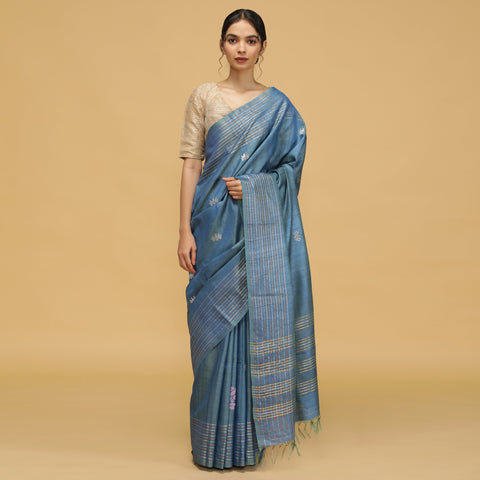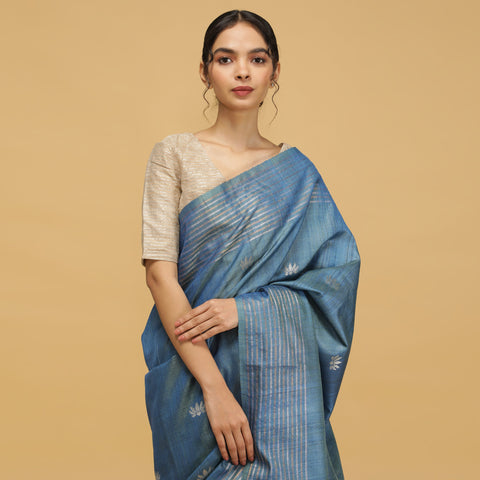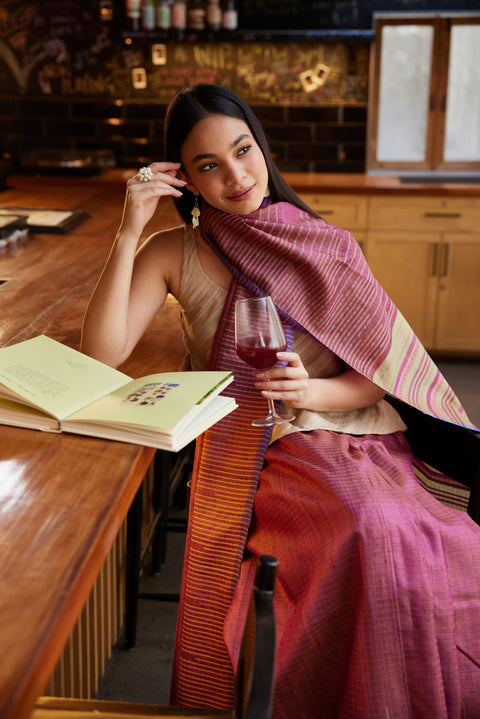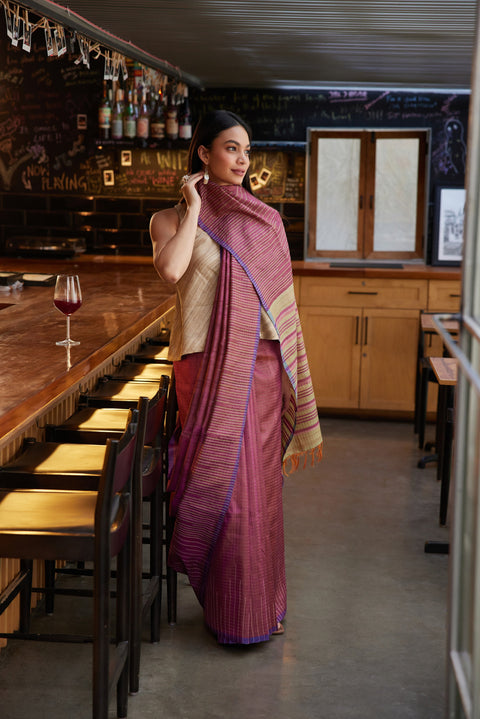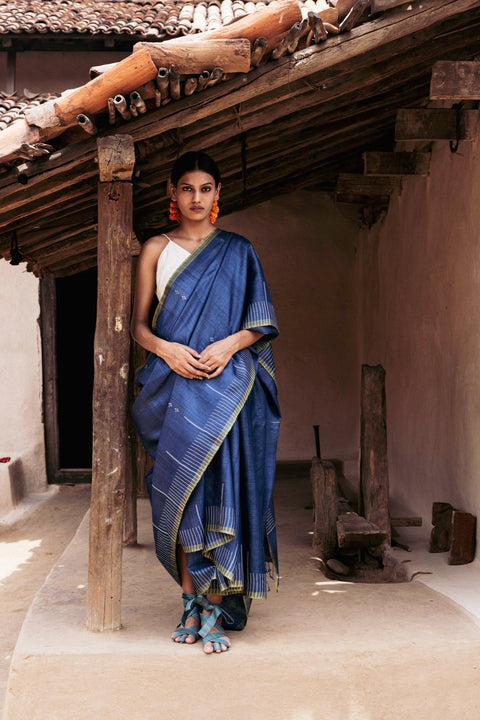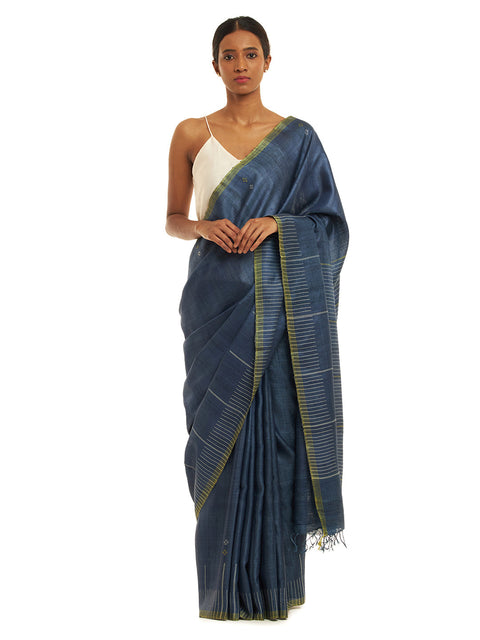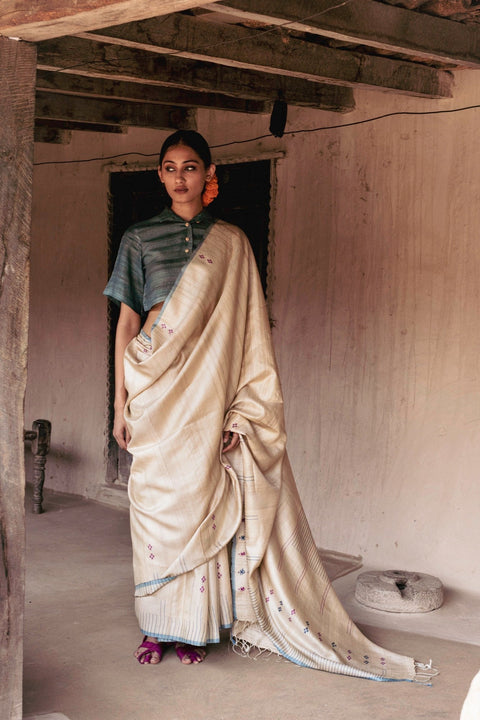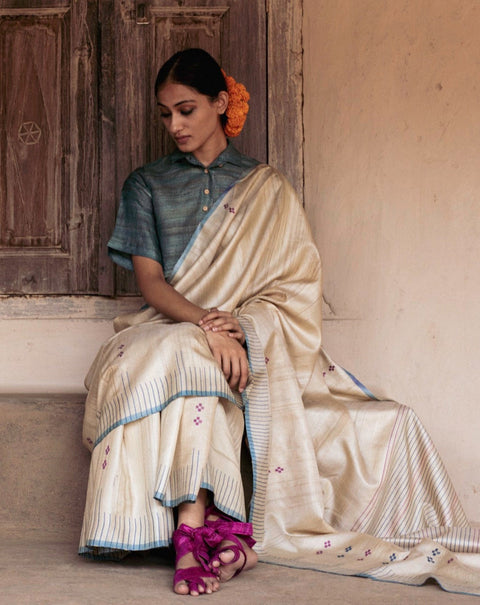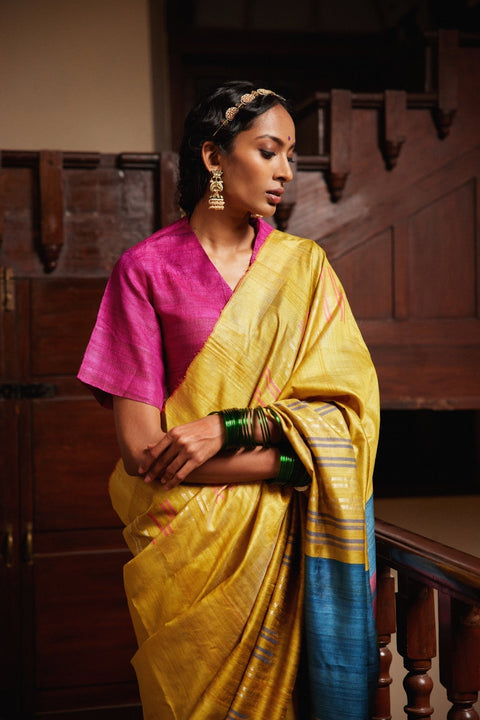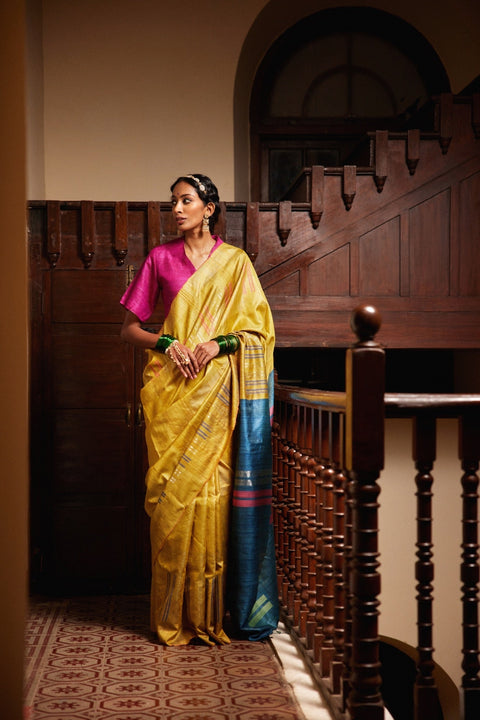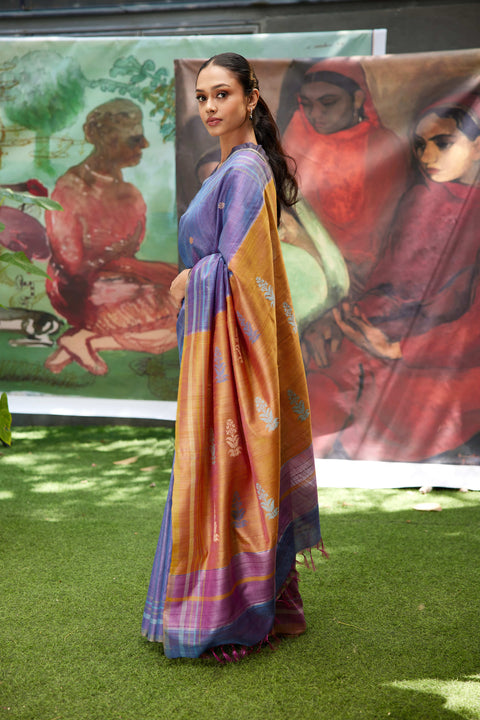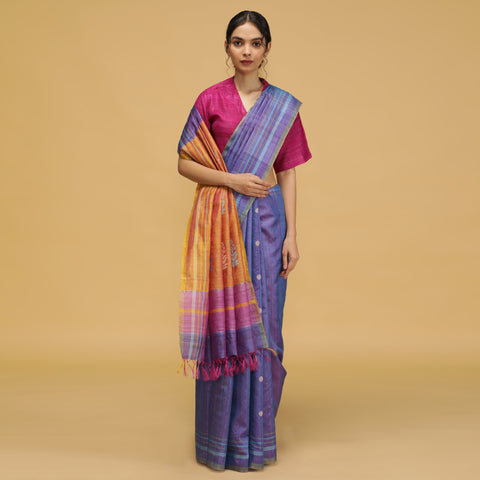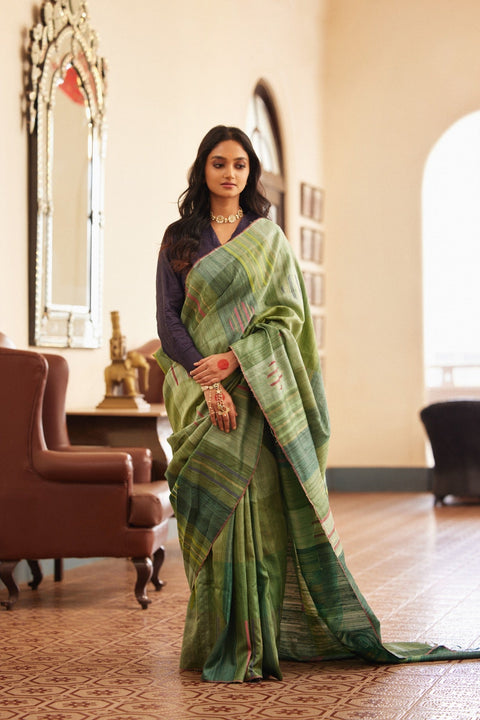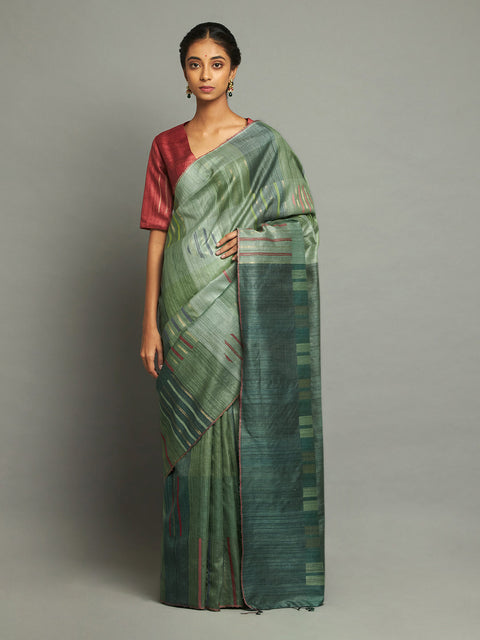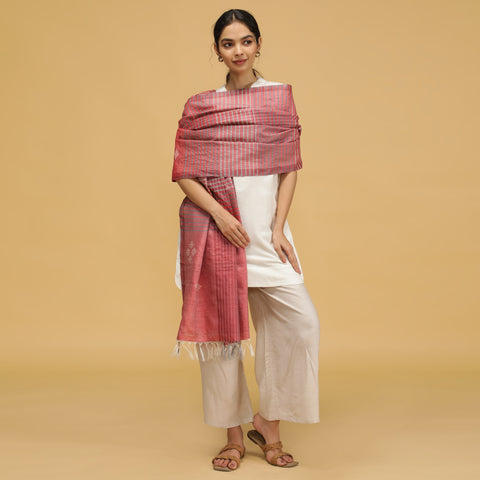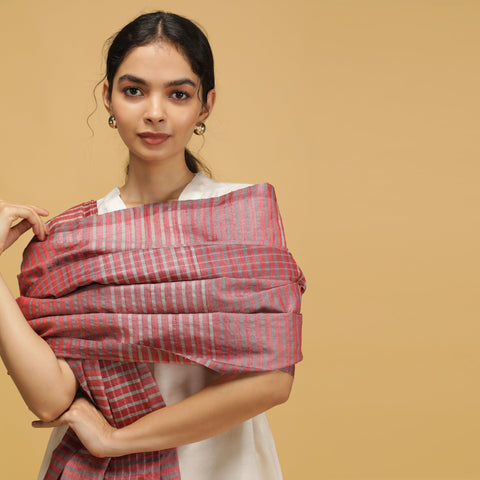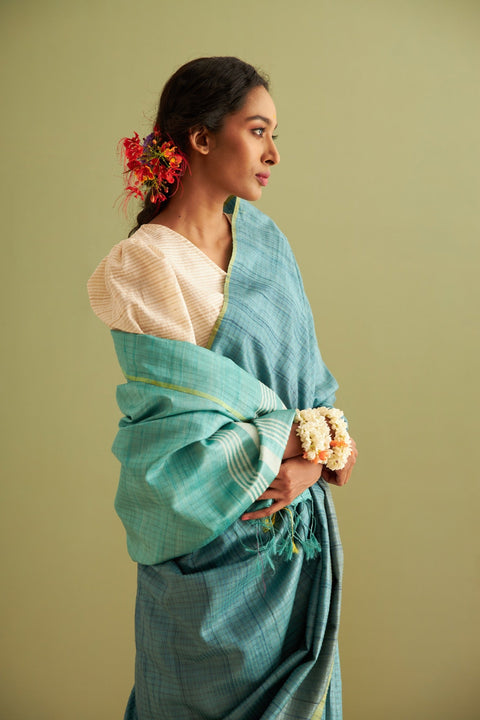
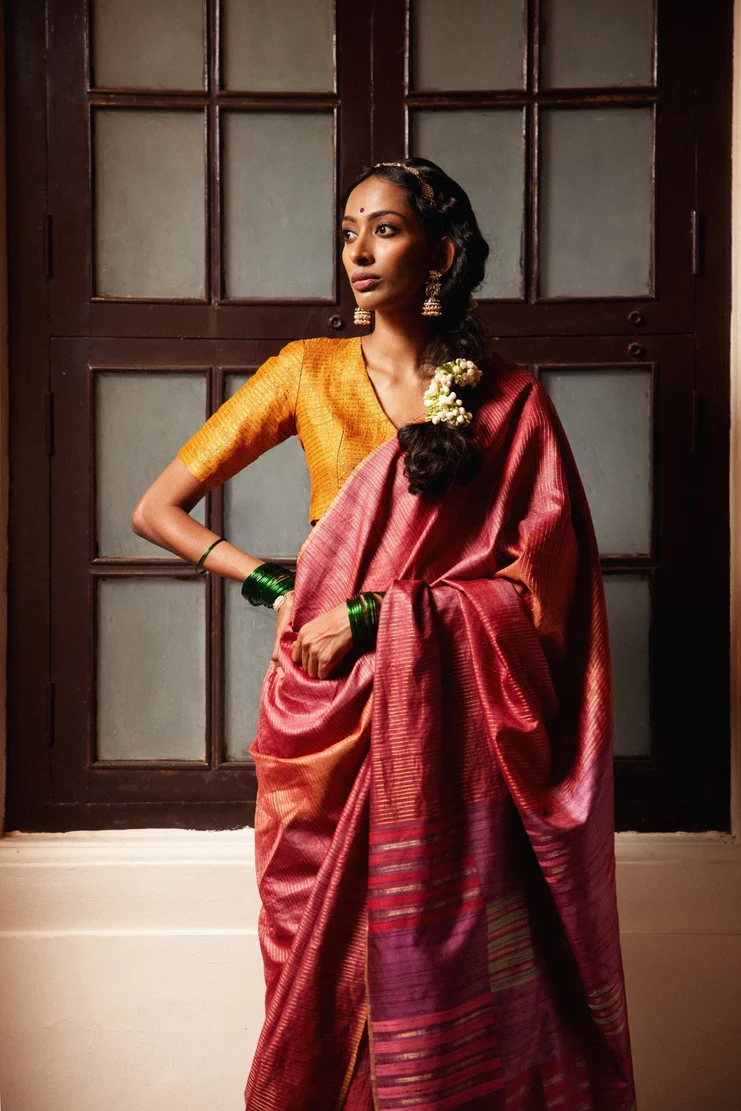
Wearing a saree is embracing art, culture, and grace, but when you want to make a bold statement at an elegant reception, the lehenga style saree drape offers the perfect blend of tradition and modernity. If you’re wondering how to wear saree in lehenga style with grace and confidence, you’re in the right place. This draping style combines the charm of a saree with the grandeur of a lehenga, making it a stunning choice for weddings and receptions.
Let’s explore the key steps, styling tips, and fabric choices to help you nail this look effortlessly.
What is Saree in Lehenga Style?
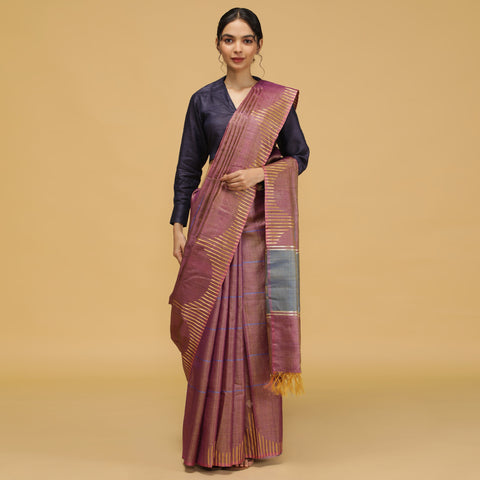
Before diving into how to wear saree in lehenga style, it’s good to understand what makes this drape unique. Instead of the saree being draped in the traditional way, it’s styled to resemble a lehenga with pleats all around, giving it volume and a regal silhouette. The pallu (the loose end of the saree) is then draped over the shoulder, often styled in creative ways to enhance the elegance.
Step-by-Step Guide: How to Wear Saree in Lehenga Style
Here’s a simple breakdown to help you master how to wear saree in lehenga style:
Start with the Right Petticoat: Choose a flared petticoat that will support the volume of the lehenga-style drape. A firm waistband helps hold the saree securely.
Make Pleats All Around: Unlike traditional saree drapes, here you make multiple pleats around the waist, covering the petticoat fully and creating a skirt-like effect.
Secure the Pleats Well: Pin the pleats neatly and securely at the waist to keep the shape intact. This step is crucial for maintaining the lehenga look.
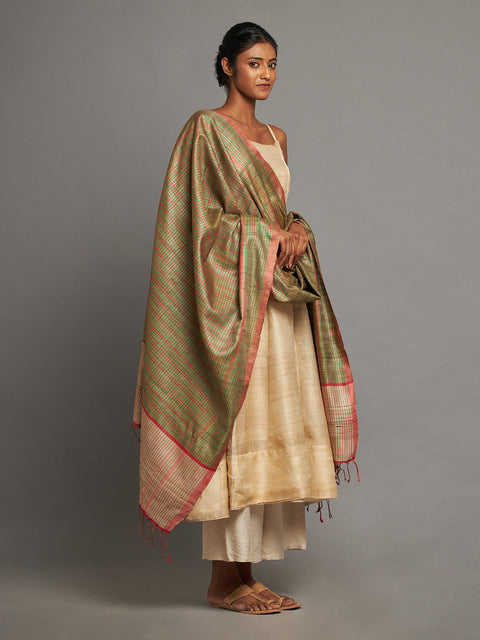
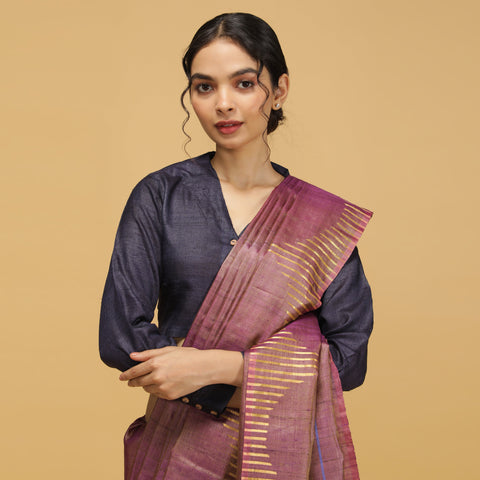
Drape the Pallu Creatively: The pallu can be draped in various ways; over the shoulder, as a cape, or even pleated and pinned for a modern touch. For inspiration on styling the pallu with lehengas, check outhow to wear dupatta on lehenga.
Not all sarees are suited for the lehenga style drape. To look effortlessly elegant, choosing the right fabric is essential.
Kosa Silk is a great option for its rich texture and durability. If you love Kosa silk, consider pairing it with aKosa saree from Kosala’s collection for a regal appearance.
Plain tussar silk sarees offer a beautiful flow and are easy to drape in lehenga style, giving you a comfortable yet glamorous feel.
If you want to stand out and look flawless, keep these tips in mind when you try how to wear saree in lehenga style:
Use a matching or contrasting blouse to enhance the overall look.
Opt for a minimal yet stylishstole for woman to add an extra layer of grace.
Add a belt over the pleats if you want a modern twist to the traditional look.
Don’t forget to pick the right footwear that complements the saree’s flow and design.
Why Choose Saree in Lehenga Style for Reception?
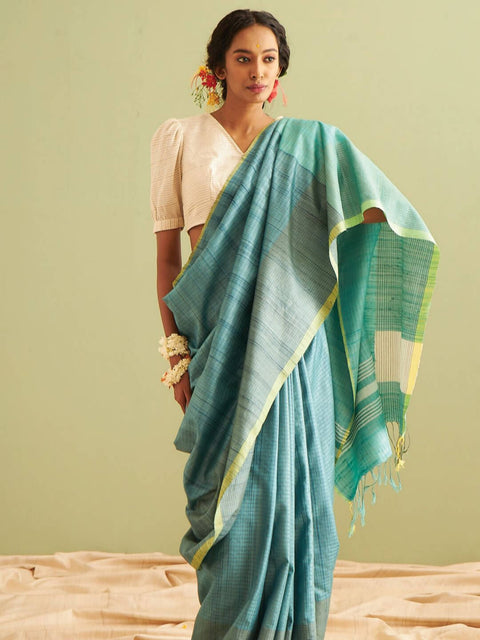
This draping style perfectly balances traditional elegance with contemporary glamour, making it ideal for wedding receptions. It allows you to enjoy the grandeur of a lehenga without sacrificing the comfort and grace of a saree. And if you love unique styles, theBlue handloom saree collection offers some beautiful pieces that work wonderfully with this drape.
Final Thoughts on How to Wear Saree in Lehenga Style
Mastering how to wear saree in lehenga style can elevate your reception look from ordinary to extraordinary. With the right fabric, pleating technique, and accessories, you can create a stunning ensemble that turns heads. Whether you choose a classic Kosa saree or elegant plain tussar silk sarees, this style offers endless possibilities to express your fashion sense.
You have probably seen both headlines: one calls silk biodegradable and natural, another ranks it among the most environmentally damaging fabrics on the planet. Both are citing real data. Neither is giving you the full picture.
The question of whether silk is sustainable cannot be answered with a single yes or no. It depends on how the silk was produced, which silkworm made it, how the fibre was processed, and how long the finished fabric is actually used.
Why Does Silk Get Such a Bad Environmental Name?
The environmental problems most commonly cited relate to conventional mulberry silk production. This involves:
Monoculture mulberry farming, which can require pesticides and fertilizers
Energy-intensive reeling, where cocoons are boiled in water and processed in factory facilities
Chemical degumming to strip the natural sericin from the fibre
High water use across both farming and processing stages
The Higg Materials Sustainability Index, used by the Sustainable Apparel Coalition, has ranked conventional silk poorly on global warming potential, mainly because of the fossil fuels used in industrial reeling and drying facilities.
This is where the gap opens. The problem with is silk sustainable as a question is that most research is based on farmed mulberry silk from large-scale industrial operations. That is not the only kind of silk.
What Makes Wild Silk Different from Farmed Silk?
Kosa silk comes from the Antheraea mylitta silkworm, a wild species that lives in open forest canopies in Chhattisgarh. This is not a farmed animal in a controlled environment. It feeds on multiple tree species, including sal and arjun, rather than a monoculture crop.
The key differences in how this affects the Kosa silk environmental impact:
No pesticides or synthetic fertilizers are applied to feed the silkworm
The forests where the silkworms live are not cleared or modified for production
In many traditional harvesting practices, cocoons are collected after the moths have emerged, making the process less harmful than conventional sericulture
No factory-scale energy is required at the rearing stage
The result is a wild silk variety whose raw material footprint is structurally different from that of farmed mulberry silk. Wild silk from Chhattisgarh sits in a different category even before the weaving stage begins.
Factor
Farmed Mulberry Silk
Wild Kosa Silk
Silkworm habitat
Controlled indoor farms
Open forest canopy
Feed source
Single crop (mulberry)
Multiple forest tree species
Pesticide use
Common in conventional farming
None at the rearing stage
Energy at rearing stage
High (climate-controlled facilities)
Minimal
Cocoon harvesting
Silkworms typically killed in process
Post-emergence collection possible
For buyers comparing Kosa silk sarees with conventional silk options, this distinction is worth understanding before price enters the conversation. The same applies when comparing with plain Tussar silk sarees, which share the wild silk origin but differ slightly in geography and processing.
Does Handloom Weaving Change the Environmental Equation?
Yes. And this is the part most sustainability articles miss entirely.
The environmental footprint of any fabric is not just in the fibre. It is in how that fibre becomes cloth. For conventional silk, the processing stage adds a significant load: factory electricity, chemical baths, mechanized looms. Handloom silk changes this at every one of those points:
A pit loom runs on no electricity. The weaver's hands and feet power the entire process.
Traditional Kosa silk weaving uses natural dyes in many cases: pomegranate rinds, lac, iron-based mordants. Natural dyes silk avoids the chemical pollution that synthetic dyes introduce into local waterways.
A single handwoven saree can take several weeks to complete. That slowness is not inefficiency. It is what keeps the energy footprint low and the quality high.
Does Powerloom Silk Actually Cost More Than It Appears?
On price, powerloom silk wins. On almost every other measure, it does not.
Powerloom facilities run on continuous electricity, use synthetic dyes, and apply chemical finishes to mimic the texture that handloom silk produces naturally. The result looks like silk. It does not behave like it.
The gap shows up across four variables:
Durability. Mechanical tension weakens the fibre over time. Handloom weaving preserves it. A powerloom saree rarely lasts as long as a handloom one.
Chemical load. Synthetic dyeing releases pollutants into waterways. Natural dye processes used in traditional handloom weaving do not.
Energy. A pit loom uses no electricity. A powerloom facility runs motors and finishing machines continuously.
Biodegradability. Handloom Kosa silk breaks down cleanly in soil. Powerloom silk treated with synthetic chemicals does not.
How Long a Saree Lasts Changes the Whole Calculation
Durability is an underrated sustainability metric.
A lifecycle assessment of any fabric needs to account for how often it gets replaced. A Kosa silk saree, cared for properly, lasts 30 to 40 years. That changes the environmental math significantly.
Researchers at Ecocult have noted that the per-wear footprint of a fabric is what matters most, not just the upfront production cost. A fabric worn once a year for 30 years has a very different impact from one worn five times and discarded.
Kosa silk reinforces this longevity in ways that compound over time:
The fabric gets softer with each wear, which means it becomes more comfortable to use the longer you keep it, not less
It does not require dry cleaning for routine care, which reduces chemical use across decades of ownership
It is silk biodegradable at the end of its life, leaving no microplastic residue in soil or water
A fabric that improves with age, costs less to maintain, and disappears cleanly at the end of its life is not just durable. It is the opposite of disposable. Daily wear sarees in natural silk sit in a different environmental category from fast fashion silk precisely because of this lifespan difference.
What Should You Actually Look for When Buying Silk?
If you are asking is silk sustainable, the more useful question is: which silk, made how?
Here is what to check:
Fibre origin. Is it wild-harvested or farmed? Wild silk varieties like Kosa and Tussar have a lower raw material footprint.
Weaving method. Handloom means no electricity at the weaving stage. Powerloom does not.
Dye process. Natural dyes or certified low-impact dyes are significantly better than conventional synthetic dyeing.
Certifications. Silk Mark confirms the silk content is genuine. Craftmark confirms handloom production by artisans. These are not just labels. They are production trail markers.
Longevity. A saree that lasts decades is a more sustainable purchase than a fast-fashion alternative worn a handful of times.
Knowing how to identify genuine handloom sarees before buying protects you from powerloom imitations that carry none of these advantages.
Conclusion
Silk's environmental reputation is built on the problems of industrial mulberry production. Those problems are real, but they are not universal.
Wild silk varieties like Kosa, woven by hand on pit looms, diverge from the mainstream at almost every stage: rearing, weaving, and end of life. Buying silk more responsibly is not about finding a perfect zero-impact fabric. It is about understanding which variables matter: wild versus farmed, handloom versus powerloom, durability versus disposability.
The more useful question is not whether silk is sustainable in general. It is whether this specific silk, made this way, used for this long, is worth buying. Kosala’s handwoven Kosa silk sarees answer that question well.
Is Handloom Silk Actually Better for the Environment Frequently Asked Questions
Q: Is silk sustainable compared to synthetic fabrics?
A: It depends on the type. Conventional farmed silk has a high environmental footprint. Wild handloom silk like Kosa, woven without electricity and biodegradable at end of life, performs better than most synthetics across several impact categories.
Q: What makes wild silk more environmentally friendly than farmed silk?
A: Wild silk silkworms like Antheraea mylitta live in open forests, feed on multiple plant species, and require no pesticides. Farmed mulberry silk relies on controlled environments and monoculture crops, which add significantly to its environmental load.
Q: Is silk biodegradable?
A: Yes, natural silk biodegradable in soil without leaving microplastics. This applies to undyed or naturally dyed silk. Synthetic dyes and chemical finishes can slow biodegradation, which is why dye method matters when assessing overall sustainability.
Q: Does handloom weaving actually reduce silk's environmental impact?
A: Yes. Pit loom weaving uses no electricity. The weaving stage is where handloom silk diverges most clearly from powerloom alternatives. For Kosala Kosa silk sarees, no factory energy is used at the weaving stage.
Q: What certifications should I look for when buying sustainable silk?
A: Silk Mark confirms genuine silk content. Craftmark certifies handloom production by registered artisans. Together, they confirm both the material and the method. For is silk sustainable as a buying question, these two certifications answer the most critical variables.
Q: How long does a Kosa silk saree last?
A: A well-maintained Kosa silk saree lasts 30 to 40 years with basic care. The fabric softens with wear rather than degrading, which means the longer you keep it, the better it performs.
Kosa silk is most commonly associated with sarees. That association is fair, given how well the fabric drapes and how widely it is worn across occasions.
But it does not tell the full story.
The versatility of Kosa silk comes from the fabric itself, not only from how it is styled. Its matte sheen, textured hand, natural slub, and durability travel across garment types, silhouettes, and even into the home. Once you understand what the fabric does, you start to see why it fits so many different forms.
Why Does Kosa Silk Work Across So Many Forms?
Kosa silk holds its shape in a pleated saree, a tailored kurta, and a cushion cover. That range does not happen by accident. It comes from the thread itself, coarser and denser than mulberry silk, with a natural slub that gives the fabric grip and structure from the start.
Here is what makes Kosa silk fabric so versatile:
The natural slub gives the fabric visual depth without needing embellishment.
The matte sheen reads cleanly in daylight and evening light without competing with the look.
The weave structure is dense enough to hold a clean cut in both draped and tailored garments.
The fabric softens with wear without losing its structure.
It takes natural dyes well, which means colour stays true across repeated washes.
Among Kosa silk and other silks, this combination of texture, durability, and tonal flexibility is what gives Kosa its range. Most silks work best in one or two formats. Kosa works across many.
What Apparel Does Kosa Silk Work Best For?
The saree is where most buyers start with a good reason. The fabric holds pleats well, drapes without stiffness, and gets softer with every wear. But handwoven Kosa silk sarees are only one part of what this fabric can do in a wardrobe.
Other apparel it works well for:
Dupattas - the textured hand adds visual weight without adding bulk. A Kosa silk dupatta over a plain kurta set reads as considered, not overdressed.
Kurtas - the fabric sits away from the skin, so a Kosa silk kurta works across all-day wear. It does not cling and does not wrinkle badly.
Blouses - the structured quality means it tailors cleanly. No lining required for most cuts.
Stoles and scarves - lighter-weight Kosa fabric works well here, especially in natural undyed or muted tones.
The common thread across all of these is the fabric's drape-with-structure quality. It behaves well whether it is pleated, cut, or worn loosely.
Can Kosa Silk Work for Fusion and Western Silhouettes?
Yes. This is where the versatility of Kosa silk becomes genuinely practical for a modern wardrobe.
The fabric's matte finish and textured surface make it responsive to non-traditional cuts. It reads as neither overly formal nor out of place in tailored shapes, and it does not look out of place in Indo-Western pieces.
Garment Form
How Kosa Silk Behaves
Silk saree
Holds pleats, drapes fluidly, reads formally or casually depending on styling
Kurta with palazzos
Structured enough to hold its shape through a full day
Jacket overlays
Adds texture without heaviness and works over both ethnic and Western silhouettes
Co-ord sets
Matte finish keeps the look modern, and it does not read as a costume
Midi skirts or A-line cuts
Holds the silhouette cleanly and does not require lining for most lengths
Handloom silk sarees in plainer weaves are often the starting point for fusion styling. The quieter the pattern, the more responsive the fabric is to non-traditional silhouettes.
How Is Kosa Silk Used in Home Décor?
This is where most buyers are surprised. Kosa silk is not just apparel fabric, it has a long history in furnishings and craft objects.
The sturdier yarn variety used in furnishing-grade Kosa silk is specifically suited to utility items. Kosa silk for home décor typically shows up as:
Cushion covers - the textured surface adds visual interest without a pattern; holds its shape well with regular use
Table runners - the matte finish does not reflect harsh light, so it works across dining settings
Wall hangings - often hand-embroidered, the weight of the fabric means it hangs flat without curling
Bedding accents - lighter Kosa fabric works for duvet covers or decorative pillow covers
Craft objects - small decorative items, including trays lined with silk fabric or jewellery pouches
When buying Kosa silk for home use, look for pieces with a Silk Mark certification. Pure silk sarees and furnishing fabric from the same source should both carry the mark, as it confirms the silk content is genuine.
Does Kosa Silk Hold Up Across All These Uses?
Durability is one reason the versatility of Kosa silk holds up in practice, not just in theory.
The pit loom weave creates a tight, dense structure that resists wear better than powerloom alternatives. That said, care differs by use.
For apparel:
Dry clean or hand wash in cold water with mild detergent
Never wring or machine wash
Air dry in shade; direct sun can fade natural dyes
Iron on low heat with a cloth barrier
For home décor:
Cushion covers and runners: gentle hand wash is usually sufficient
Wall hangings and embroidered pieces: dry clean only
Caring for silk sarees and caring for silk furnishings follow the same basic logic, cold water, no heat, no harsh detergent
The fabric gets softer with use in both apparel and furnishing contexts. This is one of the few materials where more use means better quality, not less.
What to Look for When Buying Kosa Silk
The versatility of Kosa silk is only as good as the fabric's authenticity. A powerloom imitation may look similar on the surface but will not hold its drape, its colour, or its structure across repeated use.
When buying, look for:
Natural slub visible in the weave - consistent, evenly spaced irregularities are a sign of handloom production
Silk Mark certification - confirms 100% natural silk content
Matte sheen, not a high-gloss finish - Kosa silk does not shine the way mulberry silk does
A slightly coarser hand compared to Banarasi or Kanjeevaram - the texture is a feature, not a flaw
Kosala Kosa silk pieces carry both Craftmark and Silk Mark certifications, which means both the silk content and the handloom origin are independently verified.
Conclusion
Kosa silk's range across apparel, fusion wear, and home décor comes down to one thing: the fabric's structural honesty. It holds its shape, takes colour well, and ages in the right direction.
Whether it is a saree worn to a wedding or a cushion cover used every day, the fabric behaves consistently. Understanding what handwoven Kosa silk actually does makes it easier to buy with intention and to use it across more parts of your life.
Versatility of Kosa Silk Frequently Asked Questions
Q: Can Kosa silk be used for everyday clothing, not just formal occasions?
A: Yes. A Kosa silk dupatta or kurta in a simple weave and muted tone works well for everyday wear. The fabric is durable and breathable enough for regular use, not just special occasions.
Q: Is Kosa silk suitable for home furnishings?
A: Yes. Sturdier Kosa silk yarn is used for cushion covers, table runners, and wall hangings. Look for Silk Mark certified pieces to confirm you are buying genuine Kosa fabric for home use.
Q: How is Kosa silk different from other silks when used in fusion or Western silhouettes?
A: The matte sheen and textured hand of Kosa silk keep it from looking overdressed in non-traditional cuts. It tailors cleanly and does not require lining for most garment lengths or silhouettes.
Q: Does Kosa silk hold up to repeated use in furnishing applications?
A: Yes. The dense pit loom weave structure means Kosa silk furnishing pieces hold their shape and colour well. Hand washing in cold water is sufficient for most items; embroidered pieces need dry cleaning.
Q: How can I tell genuine Kosa silk from an imitation before buying?
A: Look for visible natural slub, a matte finish, and a slightly coarser hand than mulberry silk. Kosala pieces carry both Silk Mark and Craftmark certifications, confirming silk content and handloom origin.
Q: Can a single Kosa silk saree work across very different occasions?
A: Yes. Kosala Kosa silk sarees in plainer weaves move easily from formal to casual settings depending on blouse choice, jewellery, and draping style. No separate saree needed for each occasion.
Choosing a gift that will actually be used is harder than it sounds.
A saree feels meaningful, but it assumes size, draping comfort, and occasion fit. A dupatta is close, but it needs a matching outfit. A silk stole for women sits in a different category altogether. It is personal without being presumptuous. It requires no matching, no fitting, no occasion-specific logic.
This blog helps you figure out when a silk stole is genuinely the right call, and what to look for when picking one.
When Does a Silk Stole Make More Sense Than a Saree?
Both make meaningful gifts. The difference is in what they ask of the recipient.
A saree as a gift works best when you know she wears them, when the occasion is ceremonial, and when you want to mark something specific. It is a complete gesture, and that completeness is part of its value.
A silk stole for women asks less of the recipient and fits more situations. It layers over what she already owns. No blouse, no drape, no occasion to justify it.
Here is when a stole is the stronger gifting choice:
The recipient does not wear sarees regularly but appreciates handloom fabric
The occasion is professional: a farewell, a work milestone, a retiring colleague
You are gifting someone much older or much younger than you
You want something that travels well and does not need the storage care a saree does
You are adding to a trousseau or wedding gift set without doubling up on sarees
Gift context
Stole
Saree
Professional milestone
Strong fit
Depends on recipient
Wedding trousseau addition
Works well
Works well
Non-saree wearer
Best choice
Risky
Elderly recipient
Strong fit
Strong fit
Young woman (20s)
Versatile
May go unworn
Bridal function
Works as add-on
Primary gift
If you are weighing both, browsing Kosa silk sarees alongside stole options often clarifies the choice. The difference in weight and occasion fit becomes obvious when you see them together.
Who Is a Silk Stole the Right Gift For?
The stole solves a specific gifting problem: you want to give something considered and fabric-rich, but you are not certain about the recipient's wardrobe, draping habit, or storage capacity.
It works particularly well for:
Someone who travels frequently and needs accessories that layer easily
A saree collector who already has more sarees than she can wear
A woman in her 50s or 60s who values warmth and fabric quality over novelty
A younger woman building her ethnic wardrobe for the first time
The stole sidesteps the sizing problem entirely. It adjusts to the wearer. It also pairs with outfits she already owns, which means it gets used, not stored in tissue paper.
It also pairs with outfits she already owns, which means it gets used, not stored in tissue paper. The same stole reads differently across occasions depending on the stole draping styles she picks up over time. That versatility is worth mentioning when you give it.
If the recipient lives somewhere cold for part of the year, a winter stole for women in a heavier silk weave adds a practical layer of warmth without sacrificing the fabric quality.
What to Look for in a Silk Stole Before You Buy
This is where most gifting decisions go wrong. The visual appeal of a stole in a photograph tells you very little about whether it will drape, last, or feel good to wear.
Fabric weight: A stole that is too light slips off the shoulder and needs constant readjusting. One that is too heavy bunches rather than falls. A mid-weight handloom silk holds its drape and moves naturally with the wearer.
Weave type: Look for a natural slub in the weave, the slight texture that comes from handloom production. It is not a flaw. It is what gives the stole grip and character. A completely smooth, uniform surface often signals a powerloom or synthetic alternative.
Sheen: Handloom silk has a matte, even sheen. It catches light without looking metallic or artificial. If the sheen looks very bright or plastic-like, it is worth asking about the silk content.
Certifications: A Silk Mark certification confirms the silk content is genuine. A Craftmark certification confirms it was handwoven. Both matter when you are paying for handloom quality. The difference between a scarf and stole in fabric and drape is also worth understanding before buying. It helps you match the accessory to the right occasion.
How to Choose the Right Colour and Motif for the Recipient?
Colour is where a gifting decision can feel overwhelming. Here is a practical way to narrow it down.
If you know her wardrobe well: Pick a colour that fills a gap. Most women have enough ivory and beige. A deep teal, a warm rust, or a sage green often gets more use because it offers contrast.
If you do not know her wardrobe well: Neutral tones are safer than they sound. A warm ivory, a natural undyed Kosa, or a deep charcoal reads well across skin tones and pairs with almost any outfit.
For occasion-specific gifting:
Festive events: rich tones like deep red, forest green, or gold-adjacent shades
Professional use: muted tones like slate, pewter, off-white, or soft navy
Wedding functions: jewel tones or warm naturals work better than pastels
Plain vs motif: A plain or subtly textured stole is more versatile. A stole with a woven border or motif feels more intentional as a gift. It signals that the choice was deliberate, not default.
A plain or subtly textured stole is more versatile. A stole with a woven border or motif feels more intentional as a gift. It signals that the choice was deliberate, not default. Plain weaves and motif-bordered silk stoles for women suit different recipients: plain for someone with a varied wardrobe, motif-bordered for a more specific occasion or aesthetic.
What Makes a Kosa Silk Stole Worth Gifting?
A silk stole for women made from Kosa silk has specific properties that hold up over time. That durability matters more for a gift than it does for a personal purchase.
Kosa silk has a natural matte sheen and a textured hand from the slight slub in its weave. It does not look overdressed in daylight and does not lose its character under artificial light. The fabric gets softer with each wash, which means the gift improves with use rather than fading.
The stole also sits better on the shoulder than most synthetic alternatives. The weight and weave give it enough grip to stay in place without pinning.
Conclusion
A silk stole for women works as a gift when it is chosen with the recipient in mind: her lifestyle, her wardrobe, and how she actually dresses.
The fabric type, the weave, and the colour all carry more weight than the price tag. A well-chosen stole that drapes well and softens with wear will be used for years. One chosen only for how it looks in a box will not.
Kosala stoles carry both Craftmark and Silk Mark certifications. What the recipient receives is confirmed handwoven and confirmed genuine silk, the kind of detail that turns a considered gift into a lasting one.
Silk Stole as a Gift: Frequently Asked Questions
1/ Is a silk stole a good enough gift, or does it feel like a small gesture?
A silk stole gift is a considered choice, not a small one. A quality handloom stole in the right fabric and colour is used far more frequently than most sarees and holds its value over years.
2/ What type of silk stole is best for gifting?
Kosa silk stole fabric is a strong gifting choice. The natural slub, matte sheen, and softening-with-wear quality make it practical and lasting. Certifications confirm it is genuine handloom silk, not a synthetic alternative.
3/ Can a silk stole be gifted for a wedding?
A: Yes. A silk stole for women works well as a wedding gift addition, particularly for someone who already has sarees. A jewel-toned stole with a woven border suits the occasion without duplicating what she likely receives.
4/ How do I know if the stole I'm buying is genuine silk?
Look for Silk Mark and Craftmark certifications. A genuine handloom silk stole will have a natural slub in the weave, a matte sheen, and a weight that holds drape without bunching.
5/ What colour should I pick for a stole when I do not know the recipient's wardrobe?
Natural undyed Kosa, warm ivory, or deep charcoal are safe across skin tones and outfit types. Kosala natural-undyed stoles pair with most ethnic and casual wardrobes without requiring coordination.
6/ Are silk stoles suitable for women who do not wear sarees?
Yes. Silk accessories for women like stoles pair with kurtas, formal separates, blazers, and plain dresses. They do not require a specific outfit, which makes them a better gift than a saree for non-saree wearers.