

Summer dressing in Indian ethnic wear usually comes down to one question:
What actually stays comfortable through the day?
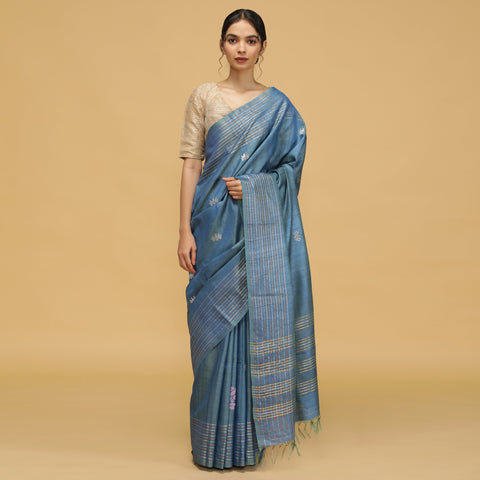
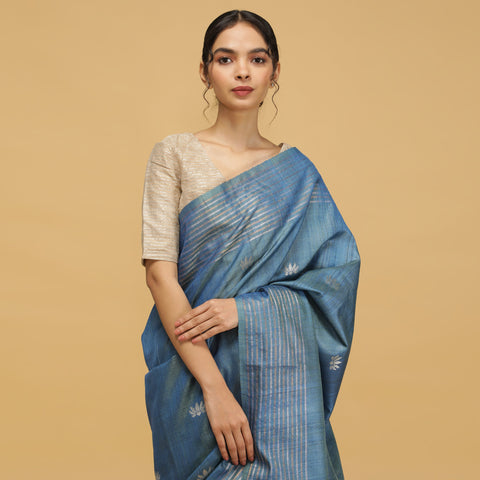
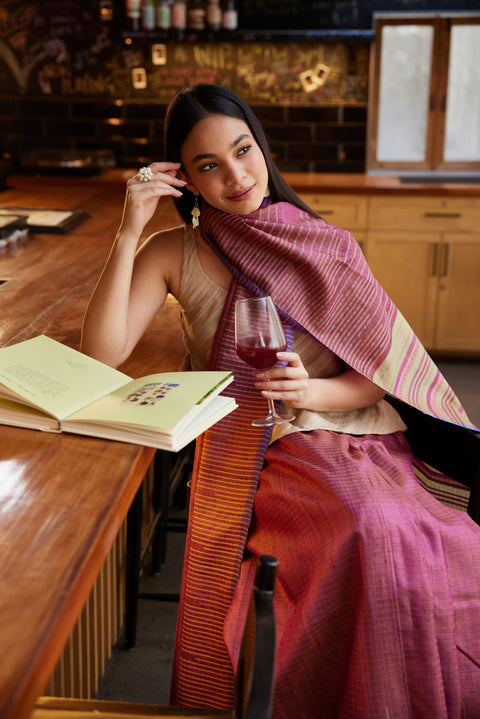
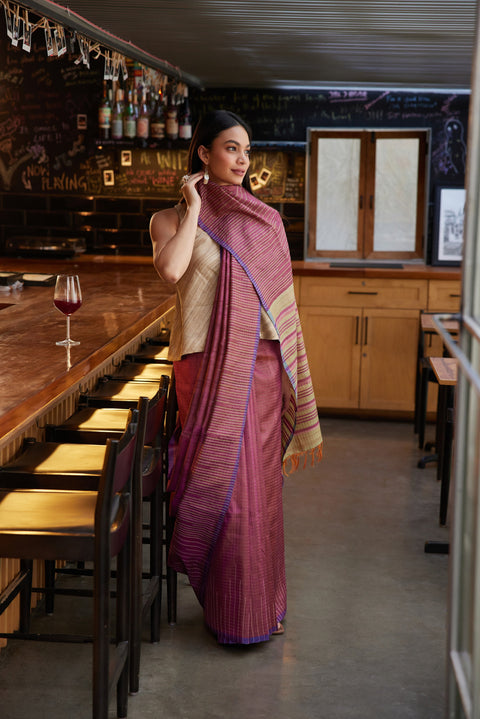
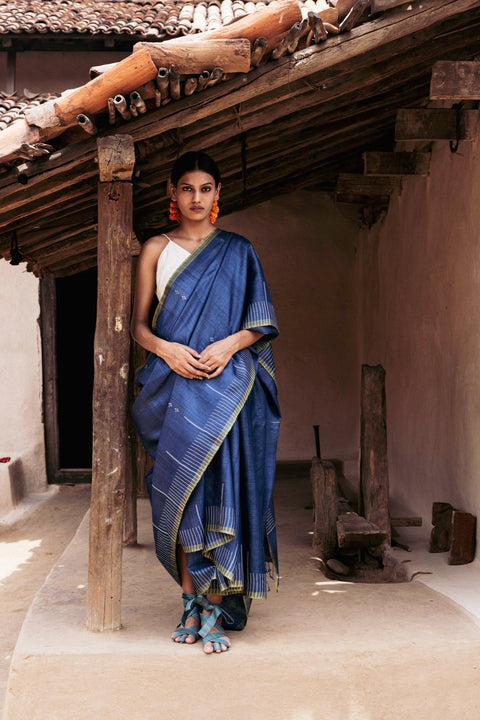
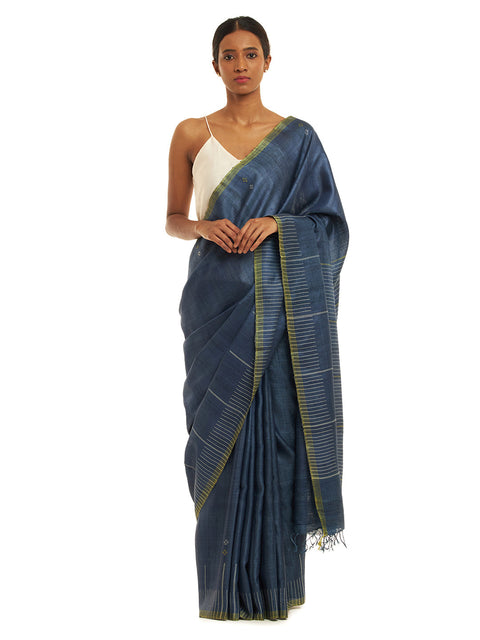
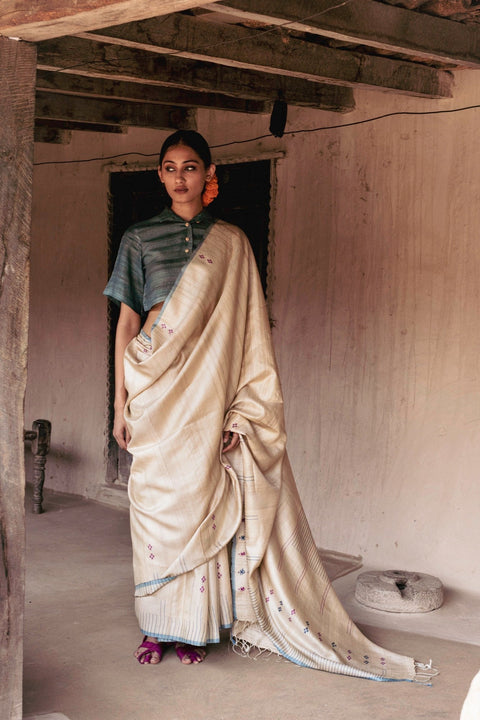
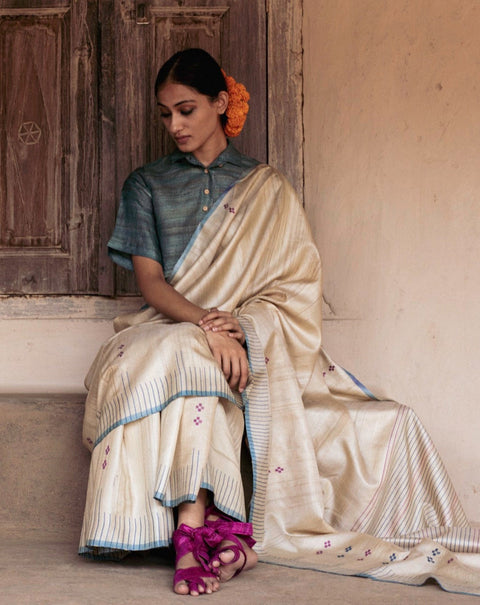
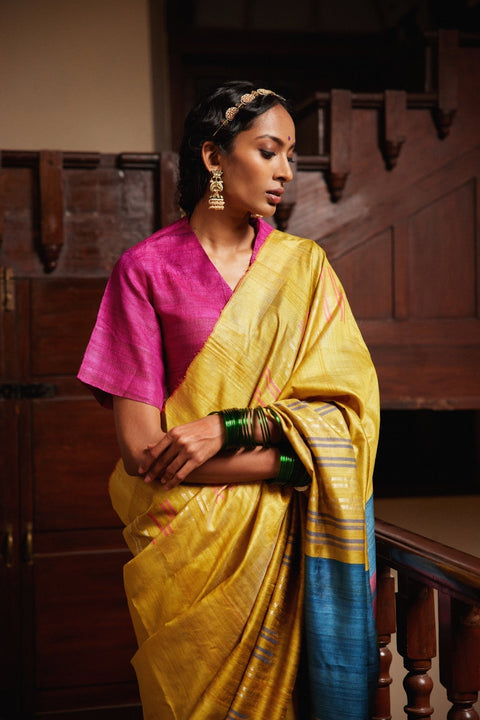
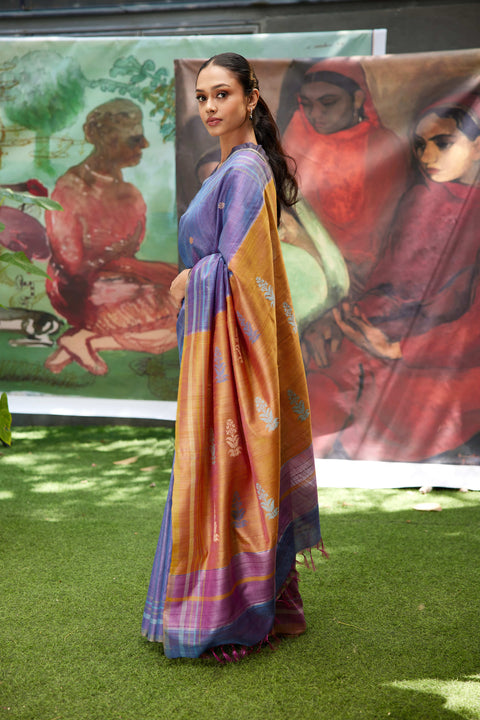
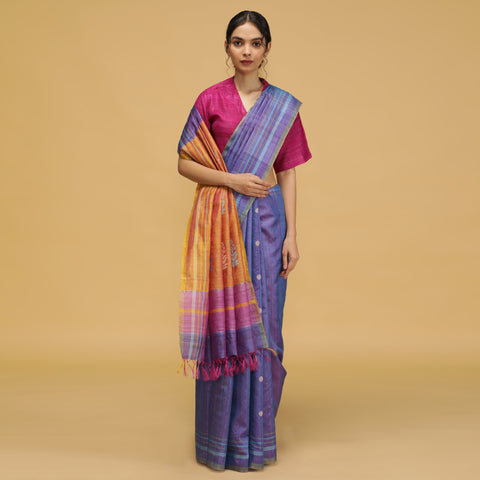
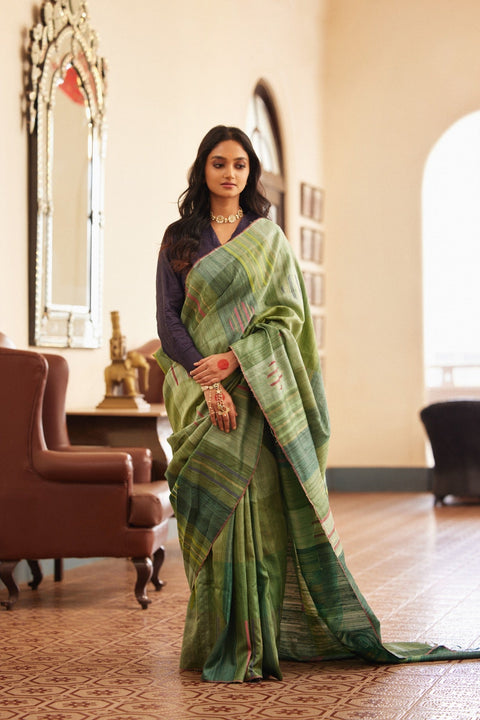
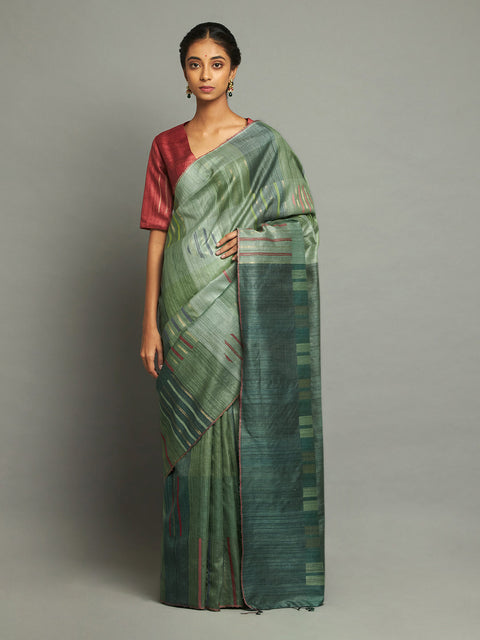
The answer most people settle on is cotton. But Kosa silk handles summer better than most expect. The fabric breathes, moves without stiffness, and does not look overdone in afternoon light. A well-chosen co-ord set for women in Kosa gives you the ease of cotton with a finish that reads as intentional.
This blog covers what to look for, how to wear it, and when an easy kurta works better than a full set.
What Makes a Kosa Co-ord Set Work in Summer?
Kosa silk is a variety of Tussar silk with a textured hand and a matte sheen. It does not cling. The natural slub in the weave creates small air pockets between the fabric and the skin, which keeps the fabric from feeling heavy in heat.
Unlike high-sheen silks, Kosa does not trap warmth against the body. In direct sunlight, the matte finish reads cleanly without looking washed out. This is why a handloom co-ord set in Kosa works as well at a 2 PM lunch as it does at an evening function.
A few things that distinguish it:
Breathes better than Banarasi or Kanjeevaram in warm weather
The textured hand does not look limp, the way lightweight cotton often does
Natural slub adds visual interest without adding weight
Gets softer with wear, which matters for a garment you reach for often
Kosa behaves more like cotton in summer than most silk comparisons suggest, which is why a Kosa silk wardrobe built around seasonal wear makes more sense than most buyers expect.
Short Kurta or Full-Length: Which One to Pick?
Both work, but the decision depends on the occasion and how you prefer to dress.
A short kurta with palazzo or straight pants is the more practical silhouette for days with movement. The shorter length is easier to manage since there is no adjusting the hem, no fabric catching underfoot. It works well for office days, daytime events, and any occasion where you will be on your feet.
A longer, easy kurta worn without a set gives you more flexibility. You can pair it with different bottoms from your wardrobe and treat it as a standalone piece.
A short kurta in Kosa or Spun Tussar, cut with a relaxed fit and a clean hem, is usually the easiest starting point for a women's Kosa kurtas wardrobe that does not require rethinking every season.
How to Style a Co-ord Set Across Three Summer Occasions
The same co-ord set for women can cover different events depending on what you pair it with.
1/ Daytime gathering
Wear the set as-is. Flat kolhapuris or block heels, small gold or silver earrings, no dupatta. The matte finish handles daylight well without extra layering.
2/ Weekend or travel
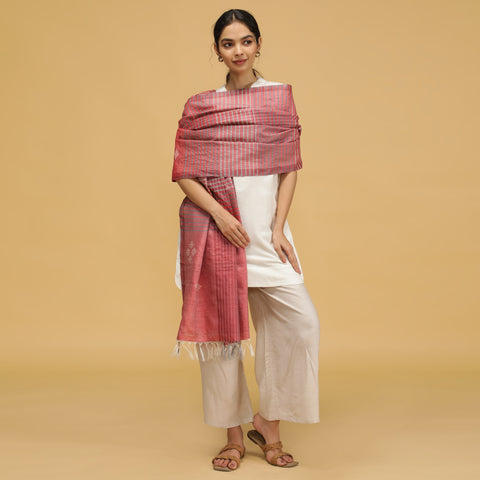
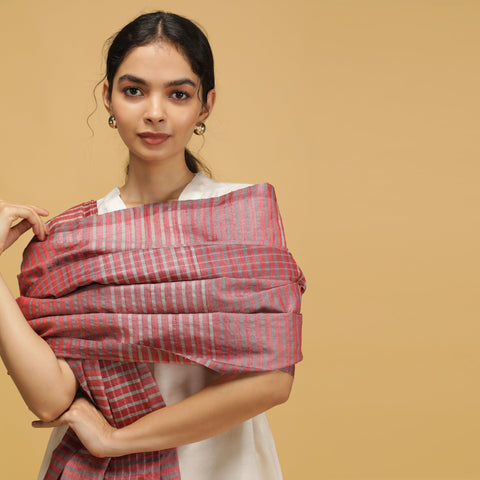
Drape a light Kosa stole loosely over one shoulder. Easy footwear. The set packs flat and recovers quickly without ironing.
3/ Festive function
Add a statement earring and a potli bag. The Kosa fabric reads well in indoor lighting and holds its shape through long evenings.
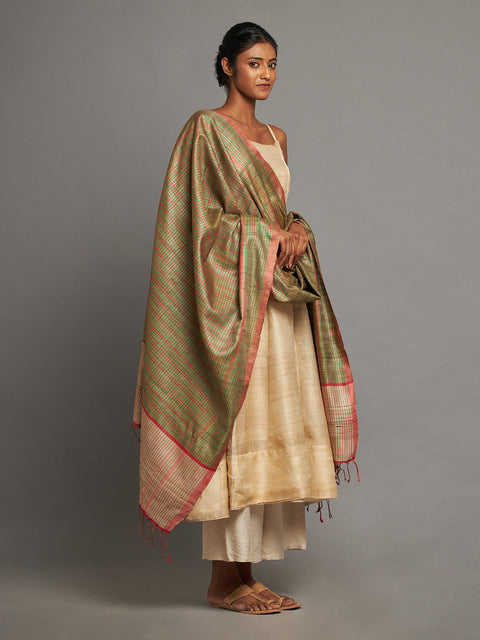
Accessories and drape choices shift the same set across occasions, and the same logic applies to Kosa silk styling across other silhouettes too.
Short Kurta Co-ord Set
Easy Long Kurta
Best for
Office, daytime events, travel
Casual wear, home functions, solo styling
Pairing flexibility
Moderate - works as a set
High - pairs with multiple bottoms
Ease of movement
High
High
Festive readiness
With accessories
With dupatta or stole
Can You Split the Set?
Yes, and a good ethnic co-ord set in Kosa is designed to allow this.
The kurta top works well over jeans, straight cotton pants, or a skirt. The palazzo or pants from the set can be worn with a solid or printed kurta from elsewhere in your wardrobe. The key is that both pieces should have clean, unfussy edges and no embellishment that only makes sense when paired together.
What to check before splitting:
Does the kurta have a standalone neckline and hem?
Do the pants have a waistband that works without the kurta covering it?
Does either piece have detailing that reads odd without its pair?
A Kosa set that splits well gives you effectively three or four outfits from two pieces. That is the practical case for investing in a fabric and cut that lasts.
What to Look for in a Kosa Co-ord Set
The difference between a handloom summer kurta set and a fast-fashion alternative shows up when you wear it.
Kosala’s Handloom Kosa has a slight resistance to it as the fabric holds its shape through the day rather than drooping or creasing by afternoon. The natural slub means no two pieces are identical. The matte sheen does not fade wash to wash the way printed fabrics often do.
When assessing a set, check the weave density along the hem and at the seams. A loose weave will fray faster and lose structure.
Weave density is easiest to assess along the hem and at the seams. A tight, even weave in handloom silk holds structure far longer than a loose one, and the difference is visible before you buy.
A co-ord set in Kosa is built to the same weave standard as daily handloom sarees, which means the quality check is the same regardless of silhouette.
Co-ord Sets & Easy Kurtas in Kosa Silk: Frequently Asked Questions
Is Kosa silk too heavy for summer?
No. Kosa silk is lighter than Banarasi or Kanjeevaram and breathes well in warm weather. The natural slub creates airflow, making it one of the more comfortable silks to wear through a full summer day.
Can a co-ord set be worn to the office?
Yes. A co-ord set for women in a neutral or muted Kosa shade works well for office wear. Choose a short kurta with straight pants over palazzo for a cleaner, more structured silhouette.
What is the difference between a co-ord set and a kurta set?
A kurta set typically includes a kurta and dupatta. A co-ord set pairs a kurta or top with matching pants or skirt, designed to be worn as a two-piece coordinated look, with or without a dupatta.
How to care for a Kosa silk co-ord set?
Dry clean for best results. If hand-washing, use cold water and a mild detergent. Do not wring. Store flat or folded in a breathable cloth bag, away from direct sunlight to preserve the natural dye and texture.
Can you mix and match pieces from a Kosa co-ord set with other outfits?
Yes. Kosala Kosa co-ord sets are cut to work as separates. The kurta pairs well with cotton or linen pants, and the matching bottom works with solid or plain-weave tops. Choose sets with clean hems and unfussy detailing for the most versatility
Learn More