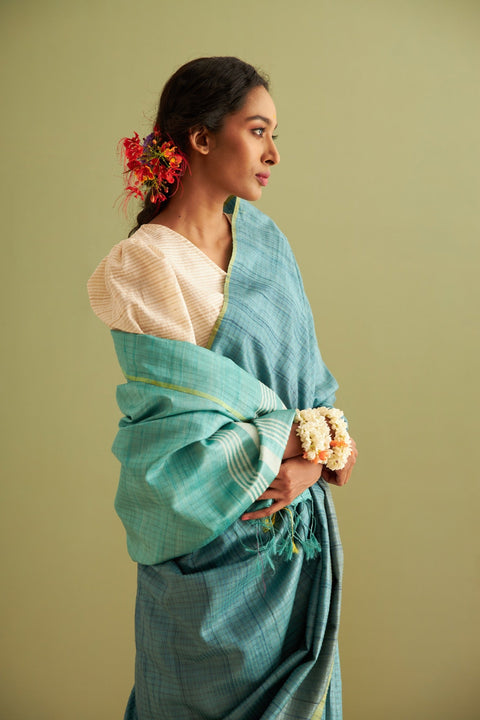


Choosing a gift that will actually be used is harder than it sounds.
A saree feels meaningful, but it assumes size, draping comfort, and occasion fit. A dupatta is close, but it needs a matching outfit. A silk stole for women sits in a different category altogether. It is personal without being presumptuous. It requires no matching, no fitting, no occasion-specific logic.
This blog helps you figure out when a silk stole is genuinely the right call, and what to look for when picking one.
When Does a Silk Stole Make More Sense Than a Saree?
Both make meaningful gifts. The difference is in what they ask of the recipient.
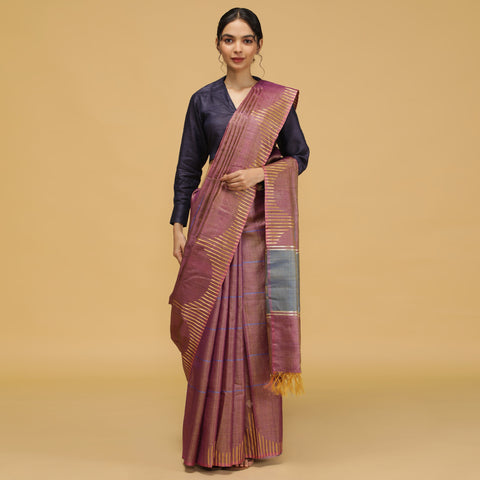
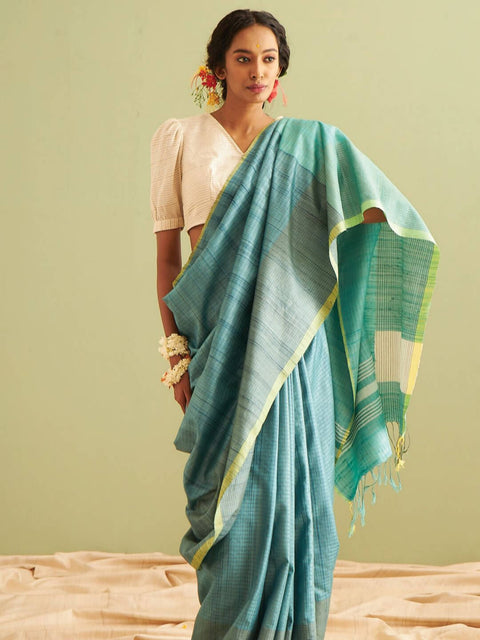
A saree as a gift works best when you know she wears them, when the occasion is ceremonial, and when you want to mark something specific. It is a complete gesture, and that completeness is part of its value.
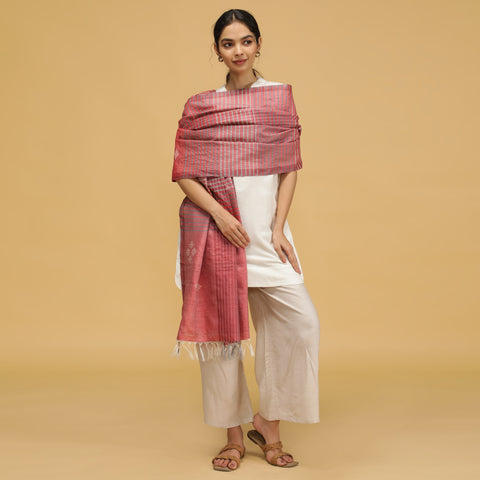
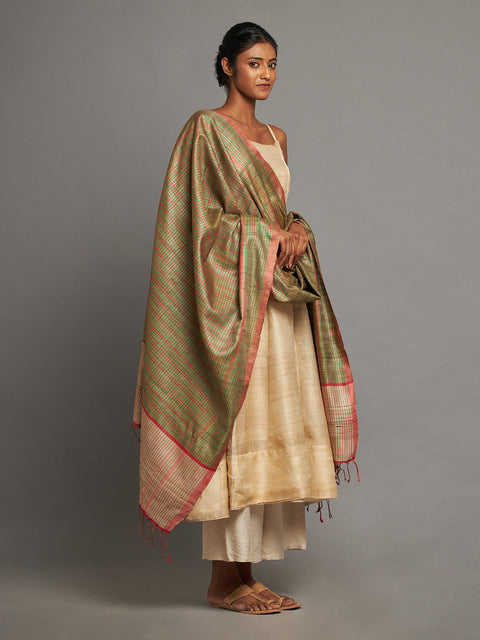
A silk stole for women asks less of the recipient and fits more situations. It layers over what she already owns. No blouse, no drape, no occasion to justify it.
Here is when a stole is the stronger gifting choice:
The recipient does not wear sarees regularly but appreciates handloom fabric
The occasion is professional: a farewell, a work milestone, a retiring colleague
You are gifting someone much older or much younger than you
You want something that travels well and does not need the storage care a saree does
You are adding to a trousseau or wedding gift set without doubling up on sarees
Gift context
Stole
Saree
Professional milestone
Strong fit
Depends on recipient
Wedding trousseau addition
Works well
Works well
Non-saree wearer
Best choice
Risky
Elderly recipient
Strong fit
Strong fit
Young woman (20s)
Versatile
May go unworn
Bridal function
Works as add-on
Primary gift
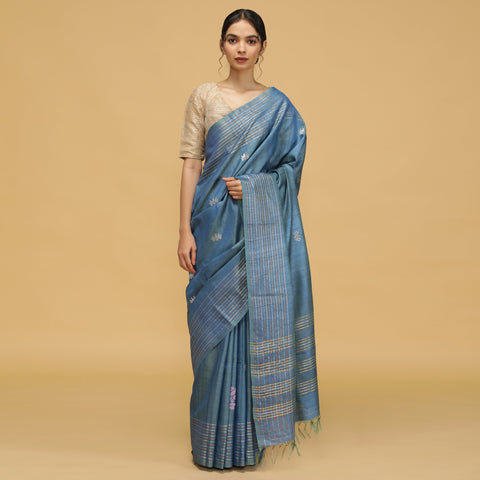
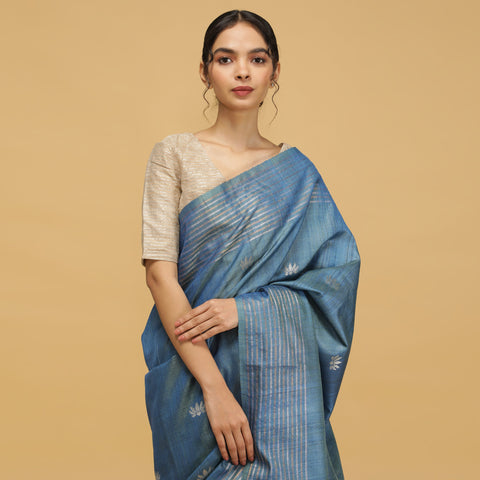
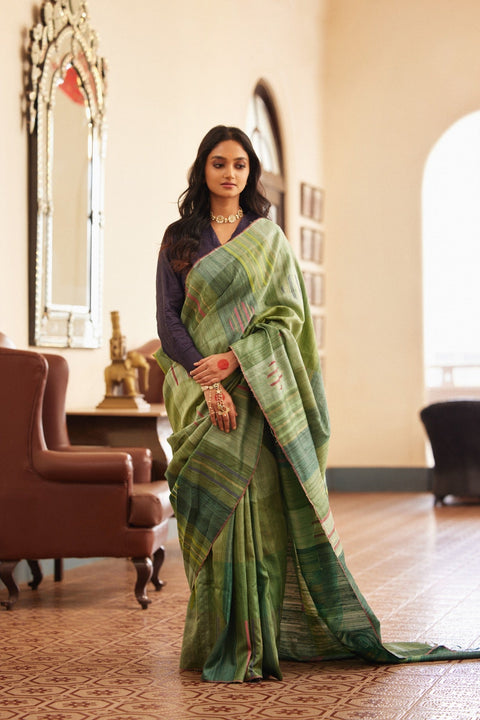
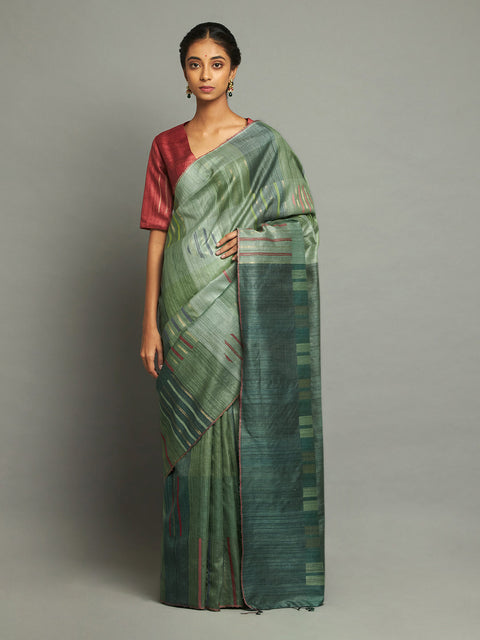
If you are weighing both, browsing Kosa silk sarees alongside stole options often clarifies the choice. The difference in weight and occasion fit becomes obvious when you see them together.
Who Is a Silk Stole the Right Gift For?
The stole solves a specific gifting problem: you want to give something considered and fabric-rich, but you are not certain about the recipient's wardrobe, draping habit, or storage capacity.
It works particularly well for:
Someone who travels frequently and needs accessories that layer easily
A saree collector who already has more sarees than she can wear
A woman in her 50s or 60s who values warmth and fabric quality over novelty
A younger woman building her ethnic wardrobe for the first time
The stole sidesteps the sizing problem entirely. It adjusts to the wearer. It also pairs with outfits she already owns, which means it gets used, not stored in tissue paper.
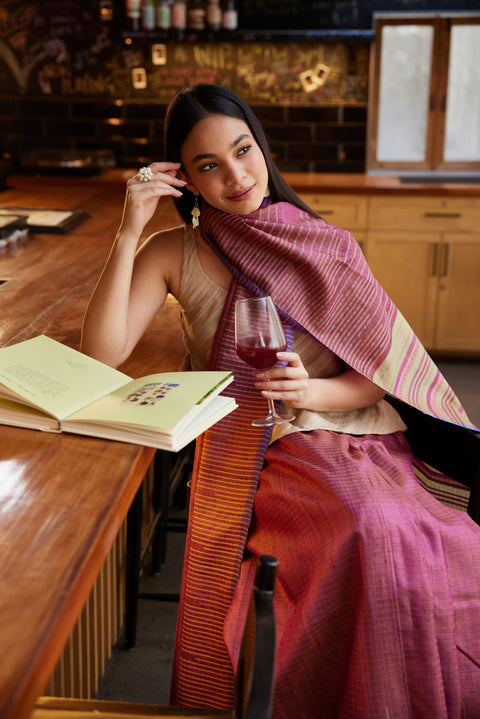
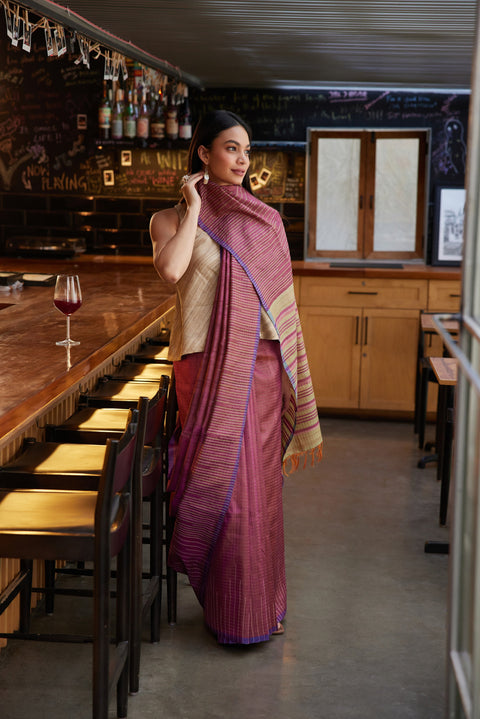
It also pairs with outfits she already owns, which means it gets used, not stored in tissue paper. The same stole reads differently across occasions depending on the stole draping styles she picks up over time. That versatility is worth mentioning when you give it.
If the recipient lives somewhere cold for part of the year, a winter stole for women in a heavier silk weave adds a practical layer of warmth without sacrificing the fabric quality.
What to Look for in a Silk Stole Before You Buy
This is where most gifting decisions go wrong. The visual appeal of a stole in a photograph tells you very little about whether it will drape, last, or feel good to wear.
Fabric weight: A stole that is too light slips off the shoulder and needs constant readjusting. One that is too heavy bunches rather than falls. A mid-weight handloom silk holds its drape and moves naturally with the wearer.
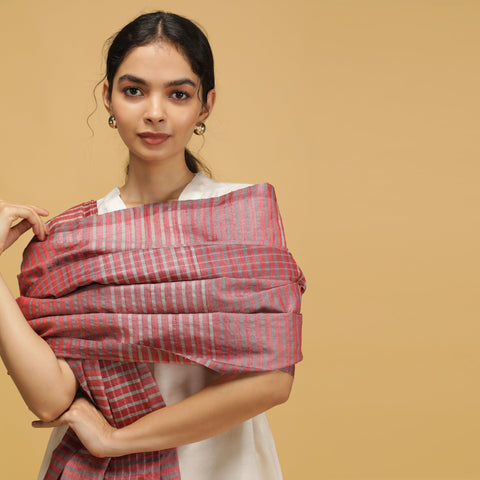
Weave type: Look for a natural slub in the weave, the slight texture that comes from handloom production. It is not a flaw. It is what gives the stole grip and character. A completely smooth, uniform surface often signals a powerloom or synthetic alternative.
Sheen: Handloom silk has a matte, even sheen. It catches light without looking metallic or artificial. If the sheen looks very bright or plastic-like, it is worth asking about the silk content.
Certifications: A Silk Mark certification confirms the silk content is genuine. A Craftmark certification confirms it was handwoven. Both matter when you are paying for handloom quality. The difference between a scarf and stole in fabric and drape is also worth understanding before buying. It helps you match the accessory to the right occasion.
How to Choose the Right Colour and Motif for the Recipient?
Colour is where a gifting decision can feel overwhelming. Here is a practical way to narrow it down.
If you know her wardrobe well: Pick a colour that fills a gap. Most women have enough ivory and beige. A deep teal, a warm rust, or a sage green often gets more use because it offers contrast.
If you do not know her wardrobe well: Neutral tones are safer than they sound. A warm ivory, a natural undyed Kosa, or a deep charcoal reads well across skin tones and pairs with almost any outfit.
For occasion-specific gifting:
Festive events: rich tones like deep red, forest green, or gold-adjacent shades
Professional use: muted tones like slate, pewter, off-white, or soft navy
Wedding functions: jewel tones or warm naturals work better than pastels
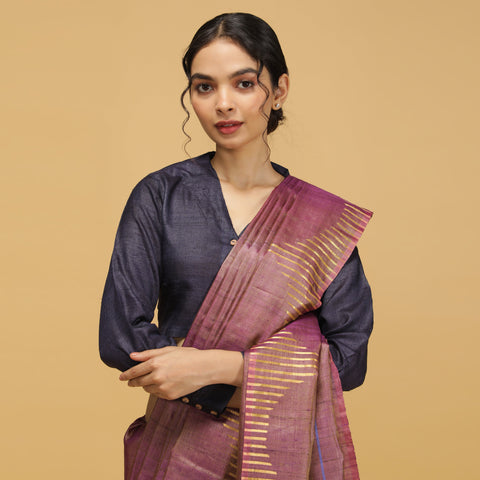
Plain vs motif: A plain or subtly textured stole is more versatile. A stole with a woven border or motif feels more intentional as a gift. It signals that the choice was deliberate, not default.
A plain or subtly textured stole is more versatile. A stole with a woven border or motif feels more intentional as a gift. It signals that the choice was deliberate, not default. Plain weaves and motif-bordered silk stoles for women suit different recipients: plain for someone with a varied wardrobe, motif-bordered for a more specific occasion or aesthetic.
What Makes a Kosa Silk Stole Worth Gifting?
A silk stole for women made from Kosa silk has specific properties that hold up over time. That durability matters more for a gift than it does for a personal purchase.
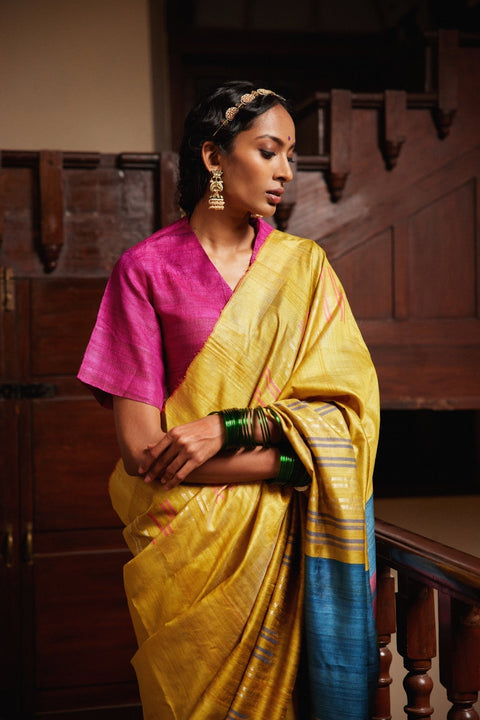
Kosa silk has a natural matte sheen and a textured hand from the slight slub in its weave. It does not look overdressed in daylight and does not lose its character under artificial light. The fabric gets softer with each wash, which means the gift improves with use rather than fading.
The stole also sits better on the shoulder than most synthetic alternatives. The weight and weave give it enough grip to stay in place without pinning.
Conclusion
A silk stole for women works as a gift when it is chosen with the recipient in mind: her lifestyle, her wardrobe, and how she actually dresses.
The fabric type, the weave, and the colour all carry more weight than the price tag. A well-chosen stole that drapes well and softens with wear will be used for years. One chosen only for how it looks in a box will not.
Kosala stoles carry both Craftmark and Silk Mark certifications. What the recipient receives is confirmed handwoven and confirmed genuine silk, the kind of detail that turns a considered gift into a lasting one.
Silk Stole as a Gift: Frequently Asked Questions
1/ Is a silk stole a good enough gift, or does it feel like a small gesture?
A silk stole gift is a considered choice, not a small one. A quality handloom stole in the right fabric and colour is used far more frequently than most sarees and holds its value over years.
2/ What type of silk stole is best for gifting?
Kosa silk stole fabric is a strong gifting choice. The natural slub, matte sheen, and softening-with-wear quality make it practical and lasting. Certifications confirm it is genuine handloom silk, not a synthetic alternative.
3/ Can a silk stole be gifted for a wedding?
A: Yes. A silk stole for women works well as a wedding gift addition, particularly for someone who already has sarees. A jewel-toned stole with a woven border suits the occasion without duplicating what she likely receives.
4/ How do I know if the stole I'm buying is genuine silk?
Look for Silk Mark and Craftmark certifications. A genuine handloom silk stole will have a natural slub in the weave, a matte sheen, and a weight that holds drape without bunching.
5/ What colour should I pick for a stole when I do not know the recipient's wardrobe?
Natural undyed Kosa, warm ivory, or deep charcoal are safe across skin tones and outfit types. Kosala natural-undyed stoles pair with most ethnic and casual wardrobes without requiring coordination.
6/ Are silk stoles suitable for women who do not wear sarees?
Yes. Silk accessories for women like stoles pair with kurtas, formal separates, blazers, and plain dresses. They do not require a specific outfit, which makes them a better gift than a saree for non-saree wearers.
Learn More