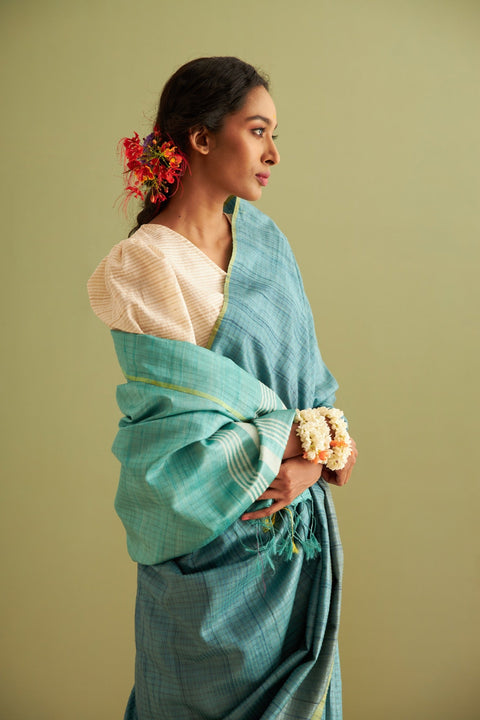
In the fashion world, luxury is often accompanied with an exorbitant cost.
But what if we told you you could experience the same luxuries without the unreasonable price tag? Enter Kosa silk - India's little known gem that shows us premium quality doesn't have to equal premium prices.
What is Kosa Silk, Really?
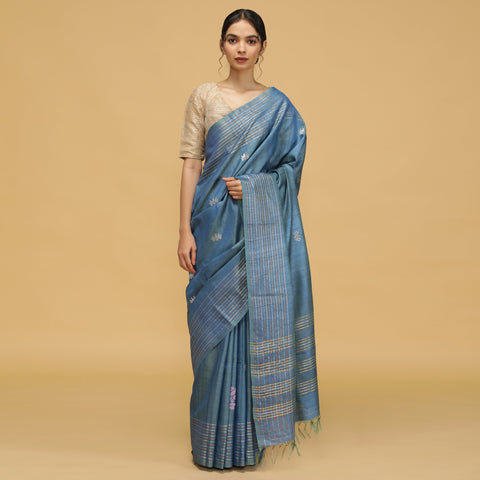
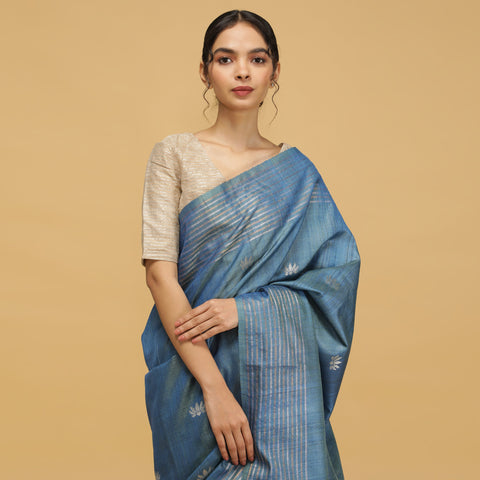
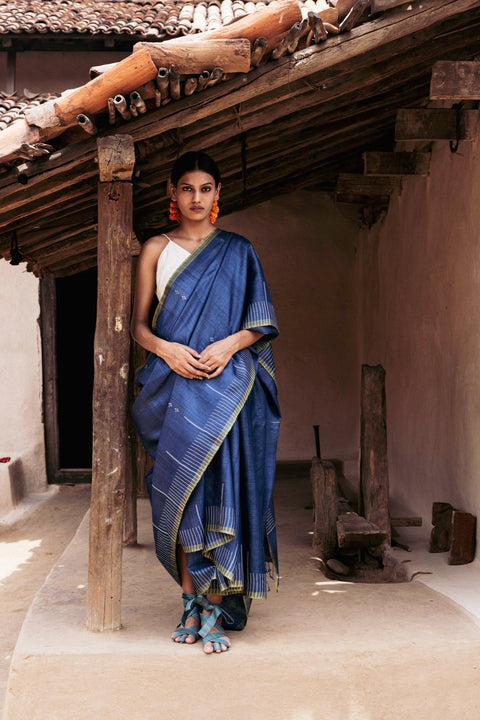
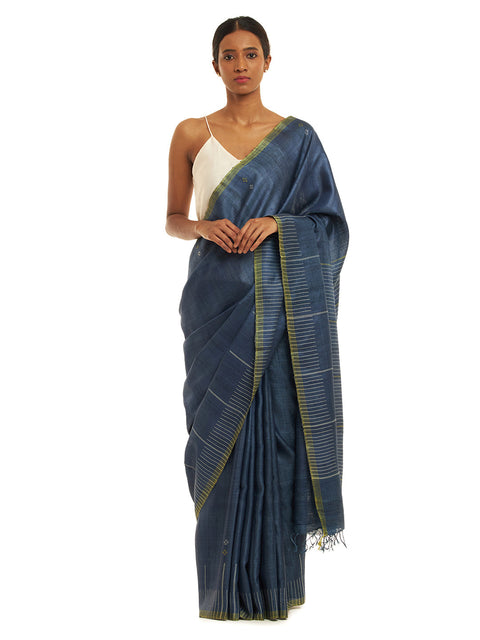
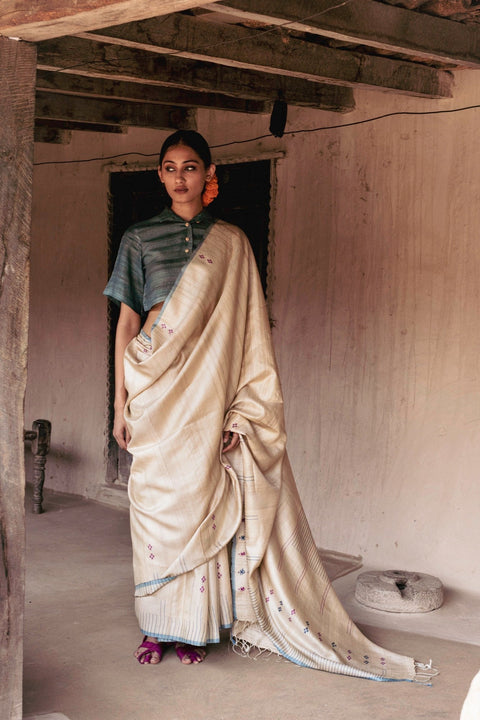
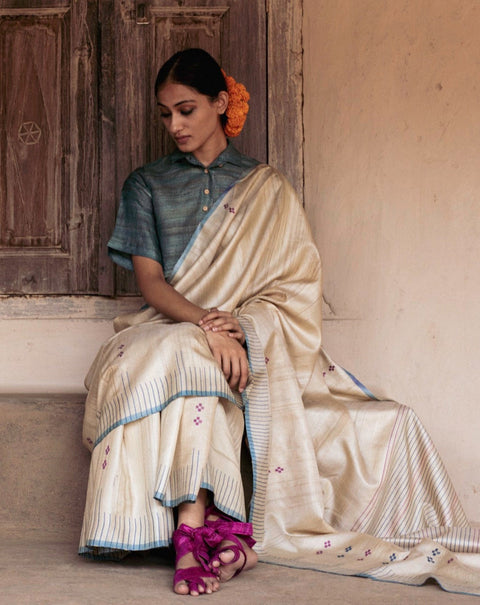
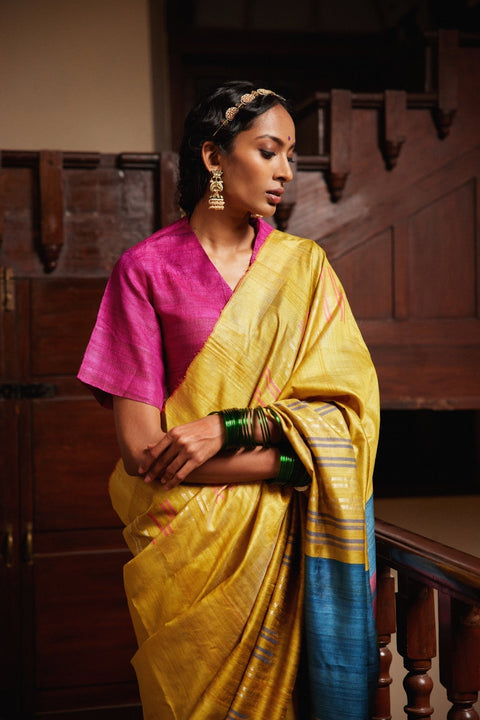
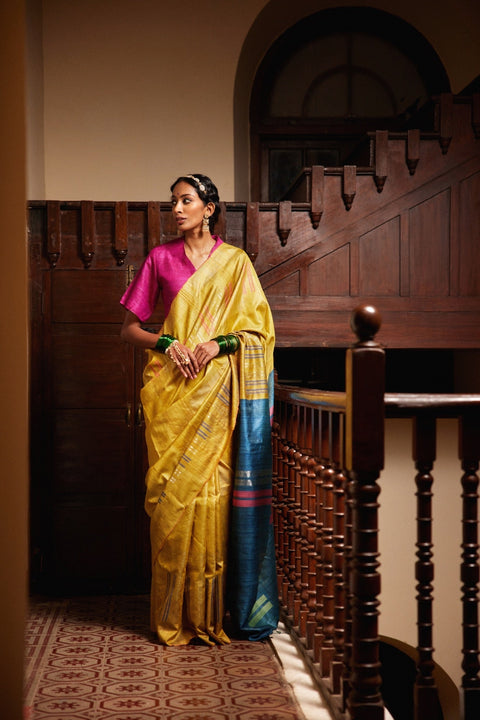
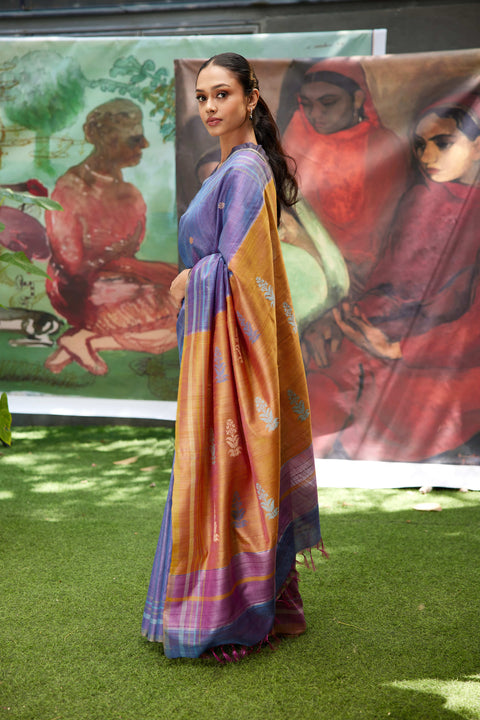
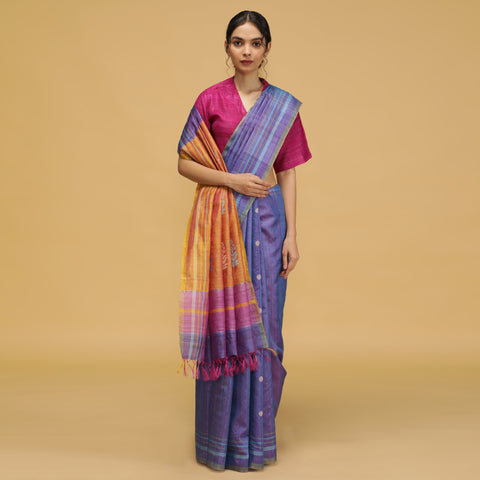
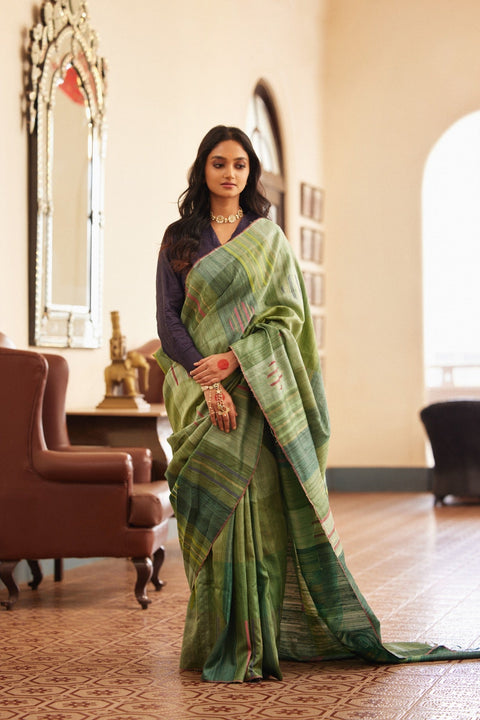
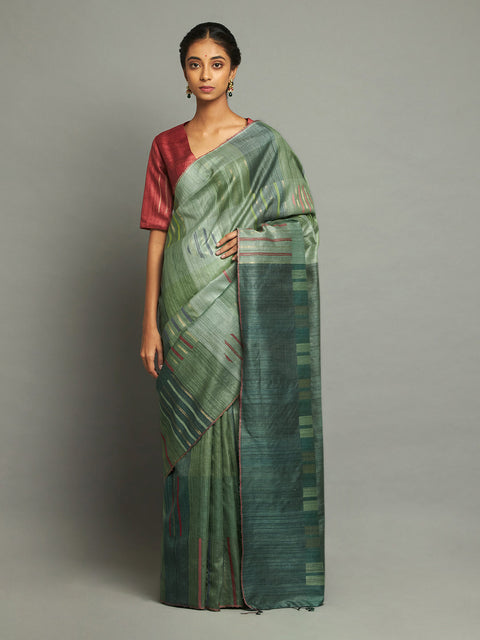
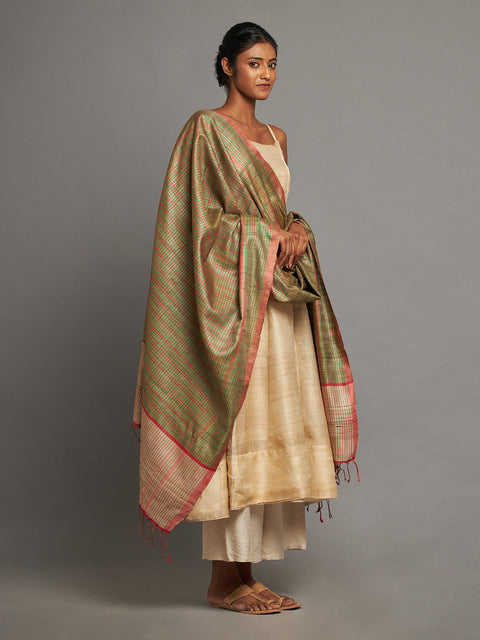
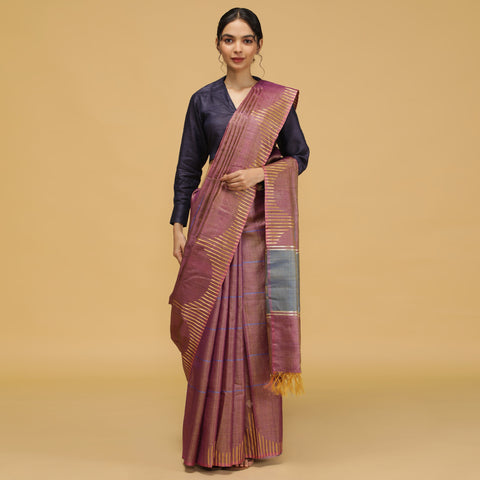
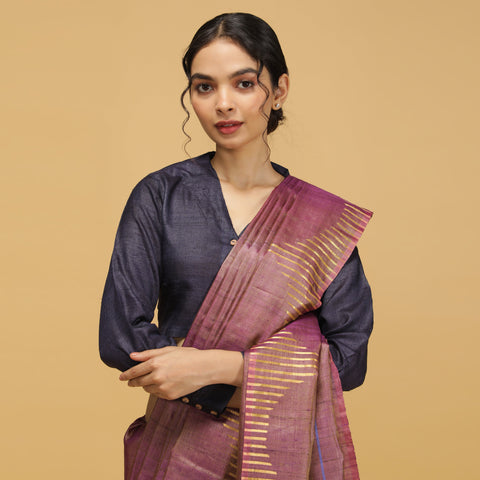
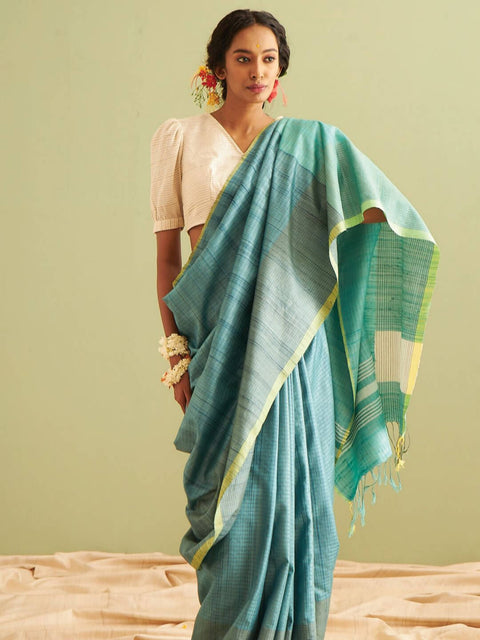
Kosa Silk is a type of Tussar Silk made in Chattisgarh in India. It is a natural silk, coarser than mulberry silk since it comes from the cocoons of the Antheraea mylitta silkworm. It is an overlooked part of India's cultural heritage. It's the type of fabric that has history embedded into every weave.
But what makes Kosa silk truly unique is not its rich history, but the distinct value it provides. It is an integral part of Indian culture and contributes to our great textile heritage. Despite being one of the best silks produced in India, (dare we say, the world), very little is known about this unique fabric. Here are some of its many features depicting its charm without burning a hole in your pocket.
1. Handcrafted, Not Hyped
Kosa silk is woven by local artisans and tribal communities who have perfected their craft and passed it down through generations. Unlike factory produced designer wear, all Kosa sarees and garments are woven on traditional looms. Thus the unique quality of Kosa silk is that it involves an entire community and supports their livelihood. It gives the silk character and proves that you’re not just paying for a brand name, but a craft.
2. Local Roots, Global Appeal
International luxury silks may be expensive based on their far-flung place of origin and exotic status, however, Kosa silk is local and quintessentially Indian i.e. it is grown, harvested and woven entirely in India.
This drastically reduces production and distribution costs, making a premium silk saree accessible for Indian consumers. Moreover, it’s a good choice for anyone abroad looking for more conscious, heritage-driven options.
3. Sustainable Meets Affordable
Kosa silk production is environmentally low-impact in many ways:
- The silkworms used, feed on naturally-grown Sal and Arjun trees.
- Weaving is done on energy-efficient hand looms.
- Natural dyes are often used in the place of rough chemicals.
This reduces overhead costs while promoting eco-conscious fashion, giving you a premium silk saree with a conscience, minus the markup.
4. Everyday Elegance
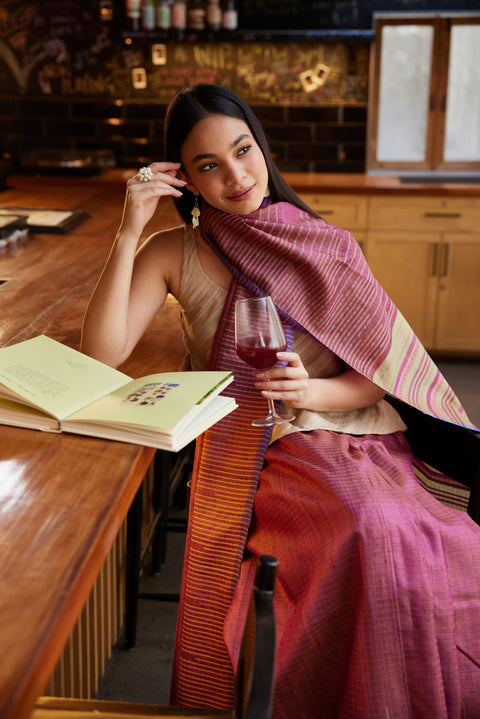
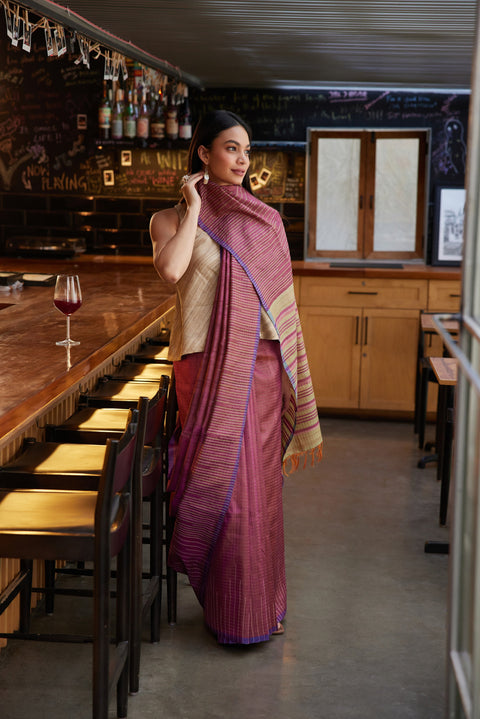
Unlike most silks restricted to weddings or ceremonies, Kosa allows you to seamlessly transition between celebration and everyday luxury. Kosa silk sarees can be styled for regular office/casual wear as well as for grand events and festivals. Their versatile nature is just another unique characteristic of the gorgeous handloom silk sarees.
5. Strength That Lasts
Kosa silk is also known for its durability and natural strength. Not only does Kosa silk not fade easily, it retains structure, even after use and rinsing. Plus, Kosa silk can be breathable in India's weather. Think of your Kosa silk sarees as an investment that could last you years, even decades.
Why It’s a Smart Buy
As affordable luxury begins to redefine people's fashion choices, Kosa silk is the right recipe for elegance, tradition and price point. You are not sacrificing quality, you are embracing a textile that indicates luxury through culture, not commercialism.
So during your next search for something premium, whether it's a wedding, a gift, or even something for yourself, keep in mind Kosa premium silk sarees. It’s where Indian heritage meets contemporary value.
Conclusion
Luxury doesn't have to be out of reach. Kosa silk allows you to wear a legacy, support artisan communities, and acquire quality that feels luxe without luxe pricing.
Trying to pick a colour before you know your event timing, skin undertone, and how the fabric behaves on camera? That is where most farewell saree look decisions go wrong. For a daytime farewell, sage green, dusty rose, or warm ivory in a matte-finish silk work best. For evening events, royal blue, emerald, and burgundy hold depth under artificial light.
Farewells are long. You sit, stand, hug people, take a hundred photographs, and end up under at least two kinds of lighting. A colour that looks sharp in your room can wash out under fluorescent tubes or blow out under flash. Choosing colour without thinking about lighting is where most farewell saree look decisions go wrong.
Which Colour Works for a Farewell? A Decision by Event Time
Start here. Colour reads differently in daylight and under indoor lighting.
For morning or afternoon farewells:
Sage green: calm, reads clearly in natural light, photographs without glare
Dusty rose: soft contrast, works on most skin undertones
Warm ivory: clean and structured, strongest with a contrast border
Muted teal: holds colour well in direct sunlight
For evening farewells with indoor lighting:
Royal blue: highly photogenic under fluorescent and LED lighting
Emerald green: saturated enough to hold depth under artificial light
Burgundy: warm and rich, does not flatten under indoor conditions
Ink blue: understated but sharp in photographs
High-sheen fabrics like satin reflect strongly under indoor lighting and can overexpose in photographs. Kosa silk from Chhattisgarh has a natural matte finish that diffuses light rather than reflecting it. Colour reads evenly in both daylight and artificial lighting, a real advantage across a long farewell day.
How Does Skin Tone Change the Choice?
Skin undertone, not just depth, determines what reads as balanced on camera.
Skin undertone
Colours that work
Colours that flatten
Warm (golden, yellow-leaning)
Rust, mustard, emerald, deep red
Pale grey, ash tones, stark white
Cool (pink, bluish-leaning)
Royal blue, magenta, plum, lilac
Very warm oranges, muddy browns
Neutral
Sage green, ivory, dusty rose, burgundy
Washed-out pastels without a border
Deep or dusky
Saturated jewel tones across the board
Pale pastels without contrast borders
Matte-finish fabrics like Kosa silk hold saturated colours evenly on deeper skin tones. High-sheen fabrics can make the same shade look harsher, particularly under flash.
What Blouse Style Works for a Farewell?
The blouse decides how the saree reads from every angle, including stage photographs.
Sleeveless or cap-sleeve blouses work best for warm indoor venues and long events. A boat neck keeps the neckline clean when the pallu is visible in photos. A square neck adds structure to softer fabrics. Avoid full sleeves and high necks if the farewell includes dancing or extended sitting.
If the saree is plain or muted, the blouse can carry a contrast shade or textured fabric. If the saree is already saturated, keep the blouse close in tone. A boat neck works best when the pallu stays visible at the shoulder, and the silk saree draping style you choose changes how much of the neckline actually shows.
Which Fabric Holds Up Through a Farewell?
Not all fabrics behave the same across a full day.
Fabric
What it does well
Watch out for
Kosa silk
Matte finish, holds pleats, diffuses light evenly in photos
Needs a fitted petticoat for grip
Chiffon
Light and fluid, good for dancing
Requires more pinning to hold pleats
Georgette
Easy movement for casual events
Less structured, may need mid-day adjustment
Organza
Photographs crisply
Can feel stiff over a long event
Kosa silk is a Tussar variety from Chhattisgarh, woven on pit looms from the thread of the Antheraea mylitta silkworm. Its natural slub creates micro-grip in the weave. Pleats stay in place through movement without over-pinning. The fabric also gets softer with wear, not stiffer.
Kosa silk's natural slub also means pleats behave differently depending on frame and fabric weight. Petite frames benefit from narrower pleats, while fuller frames need body type draping tips that account for how Kosa silk drapes versus chiffon.
The sarees for college girls at Kosala focus on handloom fabrics weighted for full-day wear rather than a single evening appearance.
What Accessories Complete the Look Without Overpowering It?
Pick one focal point: the saree, the jewellery, or the hair. Not all three.
If the saree has a detailed border or pallu: wear small jhumkas or studs and keep wrists minimal. If the saree is plain: add one slim necklace and matching earrings.
For footwear: block heels for indoor halls, wedges for lawns, flats for venues with stairs. Carry safety pins, fashion tape, and a spare earring back.
Kosa Silk for a Farewell Saree Look
A farewell saree has to move with you and still look composed when the photographs wrap up.
Kosa silk handles this quietly. The matte sheen does not pick up glare under flash. The textured hand keeps the drape from slipping. Colours read warmer and more settled than on high-sheen fabrics, which is why they work across most Indian skin tones in varied lighting.
Colour is one part of the decision. The fabric weight, drape, and accessories shape the full farewell saree look just as much. Kosala sources all its Kosa silk from weaver communities in Chhattisgarh, where the GI tag protects the origin and authenticity of the fabric.
Kosa silk's matte finish and natural slub make it one of the more practical choices among farewell party sarees that need to hold up through both ceremony and photographs.
Farewell Saree Look: Colour, Fabric, and Styling Questions Answered
Which colour saree is best for a college farewell during the day?
Sage green, dusty rose, warm ivory, and muted teal work best in natural light. They read clearly in photographs and suit most Indian skin undertones without requiring heavy contrast.
Which colour saree photographs best under indoor lighting at an evening farewell?
Royal blue, emerald green, burgundy, and ink blue hold their depth under fluorescent and LED lighting. Matte-finish fabrics like Kosa silk prevent overexposure under flash better than high-sheen fabrics.
Does skin tone affect which colour is best for a farewell saree?
Yes. Warm undertones suit rust, emerald, and deep red. Cool undertones suit royal blue, magenta, and plum. Deep skin tones carry saturated jewel tones best. Matte fabrics hold colour more evenly than glossy weaves.
What blouse style works best for a farewell saree look?
Sleeveless, cap-sleeve, boat neck, and square neck blouses work well for long events. Avoid full sleeves and high necks if the farewell includes dancing or extended sitting.
What fabric holds up best through a full-day farewell?
Kosa silk. Its natural slub holds pleats through movement. The matte finish reads evenly across all lighting. It gets softer with wear rather than stiffer, which matters by the end of a long farewell.
Choosing the best hairstyle for a saree does more than complete the look. It shapes the silhouette, frames the blouse neckline, and tells the saree whether to stay understated or take the front.
This matters more with handloom and silk sarees. A Kosa silk saree with its matte sheen and natural texture already has depth. The hairstyle needs to work with that - not compete.
Below are 20 saree hairstyles organized by hair length, with occasion, blouse neckline, and accessory guidance for each.
Best Hairstyle for Saree: Quick Reference Table
S.No.
Hairstyle
Hair Length
Best Occasion
Blouse Neckline
Accessories
1
Classic Low Bun
Any
Wedding, puja, reception
Round neck, high neck
Gajra, pearl pins
2
Gajra Bun
Any
Traditional wedding, South Indian ceremony
Round neck, boat neck
Jasmine/rose gajra
3
Soft Messy Bun
Any
Festive lunch, family gathering
Deep V, scoop
Minimal pins
4
French Twist
Any
Formal reception, evening event
High neck, boat neck
Jewelled clip, pearl pins
5
Braided Bun
Any
Wedding, long ceremonies
Round neck, high neck
Gold pins, small flowers
6
Half-Up Half-Down Twist
Any
Day wedding, festive brunch
Deep V, backless, open back
Decorative pin
7
Neat Bob
Short
Office event, casual puja
Boat neck, round neck
Pearl pins
8
Bouffant
Short
Evening function, sangeet
High neck, scoop
Statement earrings
9
Side-Pinned Curls
Short
Cocktail, reception
Deep V, backless
Minimal — let curls speak
10
Half-Up Braid
Short
Casual, daytime festive
Round neck, V-neck
Small florals, oxidised pins
11
Side-Swept Waves
Medium
Daytime event, festive brunch
Any
Small bindi, light earrings
12
Waterfall Braid
Medium
Wedding, bridesmaid look
Round neck, boat neck
Floral pins, hair chain
13
Side Fishtail Braid
Medium
Sangeet, cocktail evening
Deep V, halter
Gold or oxidised pins
14
Messy Side Braid
Medium
Casual, daytime gathering
Round neck, V-neck
Oxidised pins
15
Braided Crown
Medium
Festive evening, mehendi
Boat neck, scoop
Tiny pins or florals
16
Long Straight Braid
Long
Traditional ceremony, puja
Round neck, high neck
Flowers, gold accessories
17
Floral Braid
Long
Wedding, festive function
Round neck, deep V
Fresh jasmine, marigold
18
Sleek Middle-Parted Bun
Long
Evening event, reception
High neck, halter, backless
Matha patti optional
19
Voluminous Pleated Bun
Long
Bridal, grand ceremony
Round neck, high neck
Matha patti, gajra
20
Curly Open Hair
Long
Casual, semi-formal gathering
Scoop, deep V, backless
Hair cuff, minimal pins
Best Saree Hairstyles for Any Hair Length
These five work regardless of how long or short your hair is.
1. Classic Low Bun
The low bun sits at the nape, keeps the face clean, and lets the blouse back, jewellery, and pallu do their work.
Best occasion: Wedding, puja, reception, formal family event
Blouse neckline: Round neck or high neck, the bun draws attention up
Accessories: Gajra, small gold pins, a few pearl hairpins
2. Gajra Bun
A low or mid-height bun decorated with jasmine or rose gajra. Works particularly well with traditional silk sarees for South Indian ceremonies or any occasion where a full classical look is intended.
Best occasion: Traditional wedding, South Indian ceremony, festive puja
Blouse neckline: Round neck or boat neck, which frames the gajra without interrupting it
Accessories: The gajra is the accessory that keeps everything else minimal
3. Soft Messy Bun
A slightly loose bun with a few strands left out to frame the face. This is the easiest option that still looks intentional. Works well with lightweight handloom sarees and earthy textures where the overall look is relaxed.
Best occasion: Festive lunch, family gathering, daytime celebration
Blouse neckline: Deep V or scoop neckline, the soft bun balances the open neckline well
Accessories: Minimal pins only. The hair should look effortless.
4. French Twist
The French twist keeps the neck entirely clear, which makes it ideal for sarees with rich blouse detailing, embroidered backs, or statement necklines. It adds structure without being heavy.
Best occasion: Formal reception, evening event, office celebration
Blouse neckline: High neck or boat neck, the French twist elevates both
Accessories: A jewelled clip at the fold, or pearl pins along the side
5. Braided Bun
A thick braid coiled into a bun. Rich and structured, it holds well through long events and looks traditional with heavy silk sarees and temple jewellery.
Best occasion: Wedding, long ceremonies, reception
Blouse neckline: Round neck or high neck it keeps the focus on the face and jewellery
Accessories: Gold pins, small fresh flowers, or a decorative hairpiece at the base.
Best Hairstyle for Saree Looks for Short Hair
6. Half-Up Half-Down Twist
The crown section is gathered and pinned or lightly twisted, while the rest falls freely. Good for short hair because it gives structure without requiring length.
Best occasion: Day wedding, festive brunch, puja
Blouse neckline: Deep V, backless, or open-back blouse, the hair falling at the sides frames the neckline from behind
Accessories: A small decorative pin or clip at the twist
7. Neat Bob
A clean, straight bob worn as-is with a side or centre part. One of the easiest short-hair options. Works for day functions where you want the saree to be the full focus.
Best occasion: Office event, casual puja, college saree day
Blouse neckline: Boat neck or round neck - complements the clean, graphic line of the bob
Accessories: Pearl pins or small studs; avoid anything large that competes with the bob's simplicity.
8. Bouffant
Volume at the crown with the sides pinned or smoothed back. Adds height, sharpens features, and works well for short hair at evening events where a fuller silhouette is needed.
Best occasion: Evening function, sangeet, cocktail
Blouse neckline: High neck or scoop, the volume at the top balances the blouse's structure
Accessories: Statement earrings; the bouffant has volume, so keep accessories bold and short.
9. Side-Pinned Curls
Short hair curled and pinned to one side, leaving the other side open. Adds movement and works well with deep-neck or backless blouses because it frames the neckline from the front.
Best occasion: Cocktail, reception, evening gathering
Blouse neckline: Deep V or backless, the pinned side draws the eye and highlights the neckline
Accessories: Keep jewellery minimal; the curls carry the look.
10. Half-Up Braid
The crown section braided and pinned back, the rest of the hair loose. A youthful, practical option for short hair at daytime events.
Best occasion: Casual function, daytime festive, haldi
Blouse neckline: Round neck or V-neck.
Accessories: Small floral pins or oxidised pins at the braid.
Best Hairstyle for Saree Options for Medium Hair
11. Side-Swept Waves
Soft waves swept to one side. Works for medium hair worn open but styled. Adds movement without making the look feel heavy. Good choice for daytime sarees with simple borders where you want a relaxed but put-together finish.
Best occasion: Daytime event, festive brunch, intimate celebration
Blouse neckline: Any waves work with almost all necklines
Accessories: Small bindi, light drop earrings; the waves should not be overshadowed
12. Waterfall Braid
Strands braided from one side, with the rest of the hair falling through in a cascade. Romantic and elaborate, it suits medium hair at wedding functions.
Best occasion: Wedding, bridesmaid look, reception
Blouse neckline: Round neck or boat neck, the braid works best when the neckline is clean
Accessories: Floral pins along the braid, or a delicate hair chain
13. Side Fishtail Braid
A fishtail braid pulled to one shoulder. More intricate than a regular braid, it looks polished without being too formal. Works well with party wear silk sarees.
Best occasion: Sangeet, cocktail evening, festive dinner
Blouse neckline: Deep V or halter, the braid falling forward frames the neckline
Accessories: Gold or oxidised pins woven into the braid
14. Messy Side Braid
A loose braid pulled to one side, slightly undone. Feminine and relaxed, good for lighter handloom sarees where the look should feel natural.
Best occasion: Casual function, daytime gathering, outdoor event
Blouse neckline: Round neck or V-neck, keeps the look balanced
Accessories: Oxidised or floral pins; avoid heavy gold which will look too formal
15. Braided Crown
Two sections braided from either side and pinned across the top of the head. Festive and neat, it keeps hair off the face entirely while still looking styled.
Best occasion: Festive evening, mehendi, haldi
Blouse neckline: Boat neck or scoop, both complement the crown's full-face exposure
Accessories: Small pearl or floral pins along the crown
Best Hairstyle for Saree Looks with Long Hair
16. Long Straight Braid
A classic three-strand braid from the nape down. The most traditional of all saree hairstyles, it pairs well with pure Kosa silk sarees and heavy temple jewellery. The braid should fall over one shoulder for a cleaner pallu drape.
Best occasion: Traditional ceremony, puja, family function
Blouse neckline: Round neck or high neck keeps the look classical
Accessories: Jasmine flowers threaded through, or gold hair accessories at the end
17. Floral Braid
A regular braid decorated with fresh flowers woven in or pinned along its length. Works especially well with handloom sarees in earthy or pastel tones where the flowers add colour without jewellery.
Best occasion: Wedding, festive function, outdoor celebration
Blouse neckline: Round neck or deep V either works, the flowers carry the styling
Accessories: The flowers are the accessory; skip heavy earrings or use small studs
18. Sleek Middle-Parted Bun
Hair parted cleanly in the centre and pulled into a low or mid bun. Polished and modern. Works well with structured blouses and contemporary drapes. This is the right choice when the saree is heavily detailed and the hair should step back.
Best occasion: Evening event, reception, formal occasion
Blouse neckline: High neck, halter, or backless, the clean centre part frames each
Accessories: Matha patti optional; otherwise keep completely minimal
19. Voluminous Pleated Bun
A large, structured bun built with volume and often using a bun maker or padding. Grand and traditional, this is a bridal staple for a reason. It adds height and formality.
Best occasion: Bridal wear, grand ceremony, reception
Blouse neckline: Round neck or high neck, the height of the bun needs grounded necklines
Accessories: Matha patti, gajra, or decorative flowers; this hairstyle can carry more
20. Curly Open Hair
Long hair worn open with natural or styled curls. Works for long hair when the occasion is semi-formal or casual. For a silk saree, keep the curls defined and controlled; for a cotton handloom saree, loose curls work better.
Best occasion: Casual function, semi-formal gathering, festive brunch
Blouse neckline: Scoop, deep V, or backless, open necklines let the hair sit naturally
Accessories: A small hair cuff or minimal pins to keep curls from falling on the face
How to Make Your Saree Hairstyle Last Longer
The best hairstyle for a saree is one that still holds three hours in. These tips help:
Apply a light mousse before styling for grip and volume
Use a setting spray on curls and waves before they cool down not after
Criss-cross bobby pins for a stronger hold in buns and braids
Carry 3–4 extra matching pins in your clutch for mid-event fixes
Avoid touching the hair once it is set; handling loosens curls and flattens volume
If the occasion runs into humidity, use a light waterproof hairspray on the surface
For braids in warm weather, tie the braid slightly tighter than you think you need, it will loosen naturally
What to Look for in a Handloom Saree to Pair With Your Hairstyle
A hairstyle changes with the saree it is paired with. A heavily bordered Kosa silk saree needs a quieter hairstyle, a low bun or sleek braid. A softer handloom saree in an earthy tone can carry side-swept waves or a loose braid.
Kosala weaves Kosa silk on pit looms in Chhattisgarh, the matte sheen and natural slub of the fabric means it photographs well without a glossy blow-dry finish. A clean, simple hairstyle reads as intentional next to that texture, not understated.
For wedding occasions, the wedding silk sarees carry enough detail that a braided bun or low gajra bun is the right balance. For festive or evening functions, the party wear silk sarees work equally well with a sleek middle-parted bun or a side fishtail braid.
If you are choosing a blouse neckline alongside your hairstyle, blouse design for Kosa sarees covers what to consider for each occasion. For a fuller picture of how hair, drape, and styling interact, how to look slim in a saree walks through the complete silhouette.
Conclusion
A saree hairstyle is not a finishing touch. It is part of the silhouette. The low bun that grounds a heavy silk saree, the loose braid that lets a handloom breathe, the sleek bun that steps back so a richly bordered pallu can step forward each is a considered decision.
Matching the hairstyle to the hair length, the blouse neckline, and the saree's weight makes the difference between a look that works and one that holds.
Best Hairstyle for Saree: Frequently Asked Questions
1. Which hairstyle suits short hair with a saree?
Short hair works well with a neat bob, bouffant, half-up braid, or side-pinned curls. Kosala sarees in lighter handloom textures pair especially well with a clean bob or soft bouffant.
2. Which hairstyle looks best with a silk saree?
A classic low bun, gajra bun, or sleek braided bun works best with a silk saree. These hairstyles highlight the pallu and blouse without competing with the saree's texture or border.
3. Can I wear my hair open with a saree?
Yes. The side-swept waves, defined curls, or a half-up style work better than fully open hair. They look styled, frame the neckline, and hold better through a long event.
4. What is the best hairstyle for a saree?
The best hairstyle for a saree depends on hair length and occasion. Low buns and braids work for traditional silk sarees; side-swept waves and messy buns suit lighter handloom sarees and daytime events.
5. How to choose a hairstyle based on my blouse neckline?
High neck and boat neck blouses work best with tied-up hairstyles - buns, French twists, or braids. Deep V, backless, and halter necklines work better with waves, side braids, or open hair that frames the front.
For women searching for saree colours for dark skin tone, the answer is rarely about what you can't wear. It is about understanding why certain shades amplify your complexion while others fall flat.
Dark skin tones have higher melanin concentration, which means they reflect and absorb light differently. Saturated, warm, and deeply pigmented colours work with that natural depth. Pale, muted shades absorb into the skin rather than contrast against it, making the overall look feel flat.
This guide covers the colours that work, the ones to skip, what your undertone changes, and how fabric affects all of it.
Why Do Some Saree Colours Flatter Dark Skin Tones More?
Colour contrast is the core principle. When a deeply pigmented shade sits against melanin-rich skin, it creates a visual balance that reads as radiant and intentional. Lighter or dusty shades don't create that contrast and flatten the look instead.
Your undertone matters here too. Warm undertones (golden or yellow-leaning) respond better to reds, mustard, and earthy oranges. Cool undertones (pink or bluish-leaning) look sharper in teal, fuchsia, and jewel tones. Undertone does most of the work here regardless of how deep your complexion runs, which is also true for dusky skin tones.
What Are the Best Saree Colours for Dark Skin Tone?
Ruby Red and Deep Maroon
Ruby red creates sharp contrast against deep skin and catches light well in both indoor and outdoor settings. Maroon leans warmer and works particularly well for weddings and festive occasions. Pair either with a gold or antique brass blouse to extend the warmth.
Emerald and Forest Green
Emerald has the saturation to hold its own against deep skin without competing with it. Forest and bottle greens work the same way: grounded enough to contrast cleanly, but not harsh. These are strong picks for receptions and evening ceremonies. Emerald and forest green Kosa silk sarees carry the colour particularly well given the fabric's natural matte finish.
Royal Blue and Sapphire
Royal blue makes deep skin stand out without altering its natural tone, which is why it is one of the most reliable saree colours for dark skin tone. Sapphire is especially effective under artificial lighting at sangeets and receptions. Pair with silver or oxidised jewellery to keep the cool tone intact.
Mustard Yellow and Golden Yellow
Mustard's warm, earthy undertone sits in direct harmony with golden-brown skin and creates a glow that brighter yellows cannot. Golden yellow is particularly well suited to daytime functions like haldi and Diwali. See yellow colour silk sarees for Kosa silk.
Magenta and Plum Purple
Magenta sits between red and violet, and since both flatter dark skin, it earns its place on this list. It holds contrast well in photographs and reads as a complete look even with minimal jewellery. Plum and deep purple are the stronger picks for formal occasions.
Which Saree Colours Should Dark Skin Tones Avoid?
Very pale pastels without contrast borders: blush pink, powder blue, and mint without a strong border or zari edge lose definition against deep skin.
Ash grey and dusty beige: these absorb into warm undertones rather than reflecting off them.
Ivory or off-white in plain weaves: this works only when paired with a bold border or contrast zari. Plain off-white on its own will flatten the look.
Very dark charcoal solids: these reduce visible contrast between the saree and skin, especially in photographs.
When in doubt, go deeper and brighter rather than lighter and softer. The same contrast logic that governs shade selection also applies to saree colour combinations.
Does Fabric Change How Colour Looks on Dark Skin?
High-sheen fabrics like organza or heavy brocade reflect light outward and can read as vivid but sometimes harsh. Matte-finish fabrics like Kosa silk and Tussar hold colour closer to the body and diffuse it evenly. Saturated colours appear richer and more settled on darker skin in matte-finish fabrics. If you are choosing silk sarees colours specifically, the matte-to-colour relationship becomes the main factor worth understanding before you buy.
Conclusion
At Kosala, every saree is handwoven from pure Kosa silk by artisans in Chhattisgarh. The fabric's natural matte finish and warm golden undertone make it a well-suited choice for dark and dusky skin tones. The colour holds true under different lighting and the drape sits clean without excess sheen. Browse the full handloom collection to find shades in emerald, ruby, mustard, magenta, and royal blue, all woven to carry colour at the depth that flatters deep Indian skin tones.
Saree Colours for Dark Skin Tone: Frequently Asked Questions
1. Is dark skin tone the same as dusky skin tone when choosing saree colours?
Not exactly. Dusky skin typically has warm or neutral undertones, while dark skin tones can vary more widely in undertone direction. Both benefit from saturated colours, but the undertone and not the label is what determines the most flattering shade.
2. Can pastels work for dark skin tones?
Pastels without contrast elements generally fall flat. If you want to wear a lighter shade, choose one with a bold zari border, a contrast pallu, or a strongly coloured blouse. The contrast compensates for what the body colour lacks in saturation.
3. Do metallic borders suit dark skin tones?
Gold and antique brass borders work very well with warm-toned shades like ruby red, maroon, and mustard. Silver borders pair better with cool-toned sarees in royal blue, sapphire, and magenta. Both add contrast at the edges, which helps define the drape against deep skin.
4. How does fabric affect how colour looks on dark skin?
Matte-finish fabrics like Kosa silk and Tussar hold colour more evenly and prevent over-reflection. This makes saturated colours appear richer and more controlled on darker skin tones compared to high-sheen fabrics that can look harsh in certain lighting.
5. Should jewellery colour match the saree for dark skin tones?
Not necessarily. Contrast jewellery often works better. Gold or antique brass with warm sarees, silver or oxidised with cool-toned sarees. The goal is to keep the attention on the face, and jewellery that contrasts rather than blends achieves that more reliably.
6. Which saree colour is best for a dark-skinned bride?
Ruby red, deep maroon, emerald green, and royal blue are the most reliable bridal choices. Magenta and plum work well for mehendi and reception looks. Mustard yellow is a strong pick for daytime pre-wedding ceremonies like haldi.