Knowing how to choose kurta colors for men based on their skin tone comes in handy at some point. Read more to know how these tones can complement your skin.
Learn More

Drawer menu

For some reason, most people believe that the saree can only be worn one way. But the garment is much more versatile than most wardrobes allow it to be. A saree can completely change from looks to feels with simple adjustments like pleats, pallu positions, or layering.
Changing the way you drape a saree allows it to transform for various events. A ceremonial drape conveys formality, while a different style can present a modern, comfortable, or minimal look, showcasing the saree’s versatility for diverse occasions.
The more variations you learn, the more the saree can feel versatile.
What changing styles of draping sarees do is take existing fabrics and allow them the versatility to be used in modern work fabrics.
So adapting sarees to different styles works well for modern formal events, casual gatherings and even travel. Depending on the event, the drape can be optimised to be lighter or more structured and relaxed.
The techniques for modern saree draping styles work best with existing fabrics, and simple variations like changing the length of a pallu or how the pleats are positioned can change the overall look without needing a new saree.

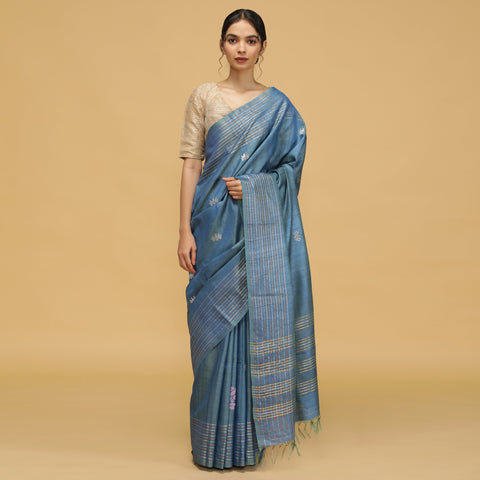
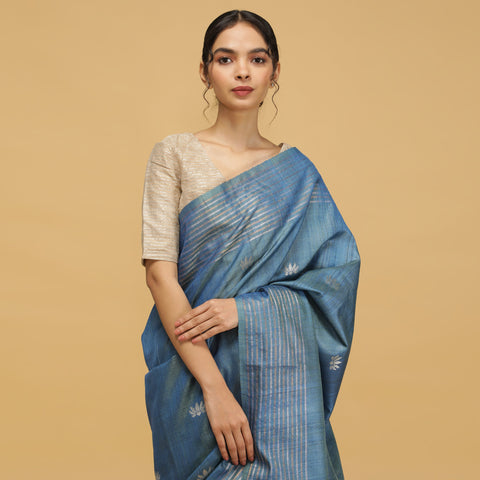
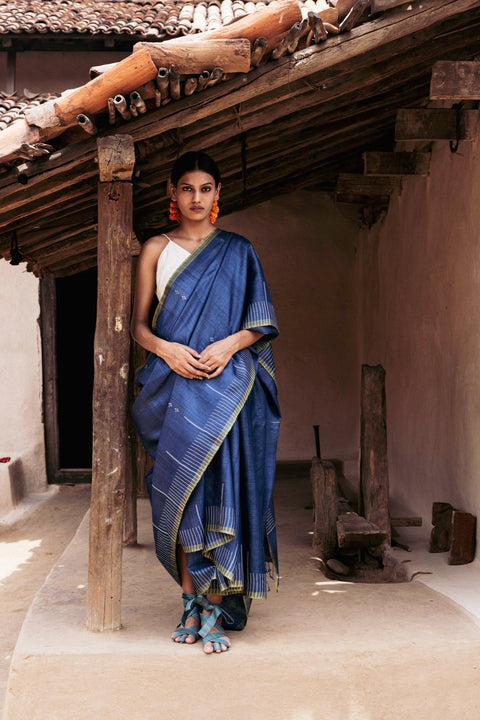
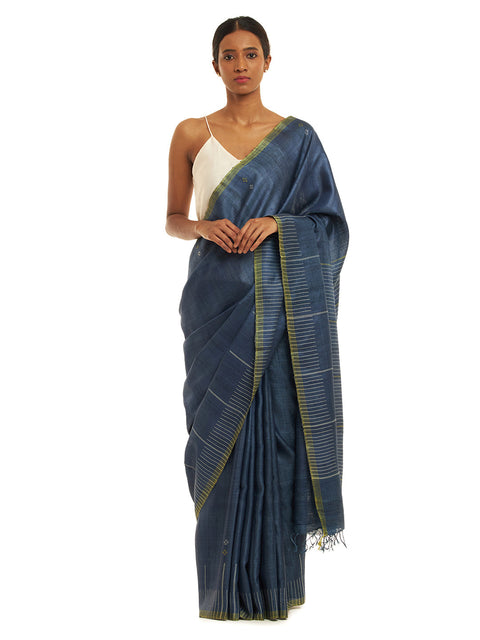
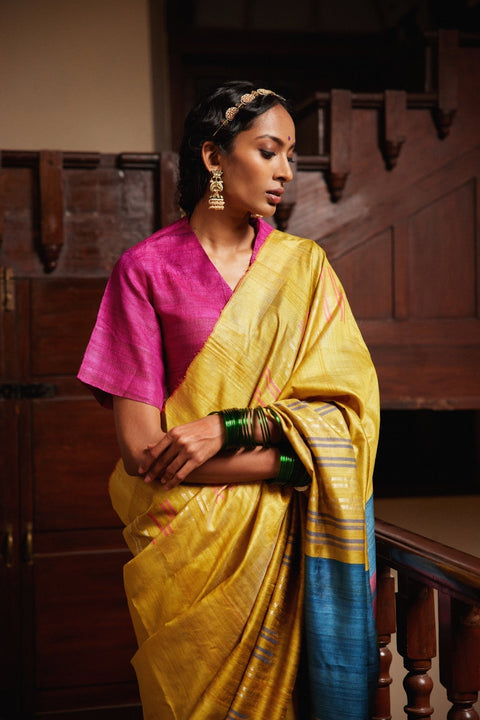
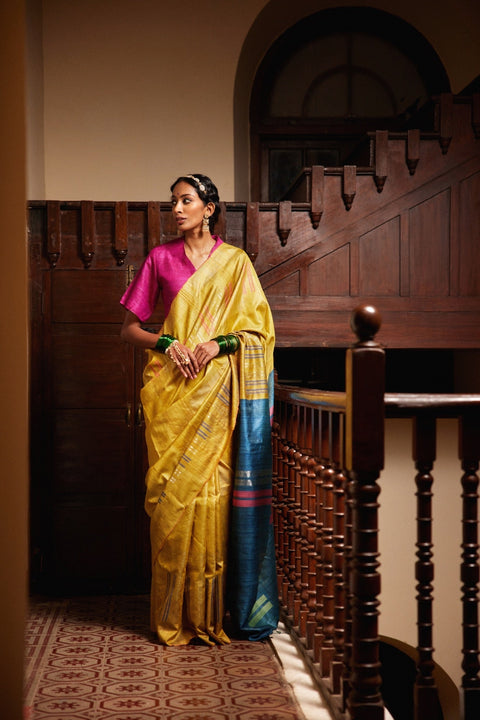
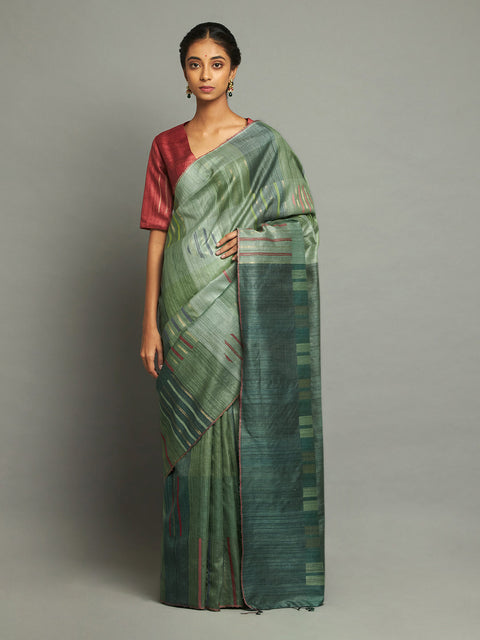
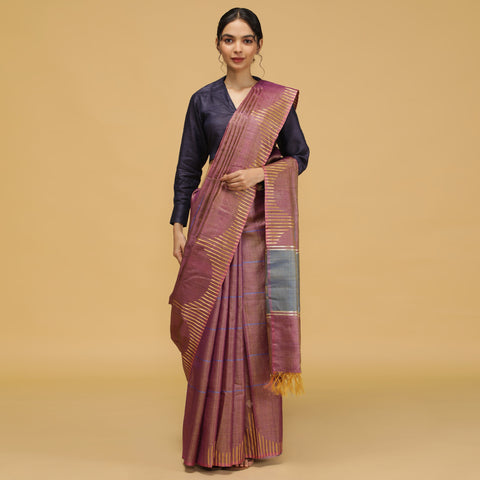
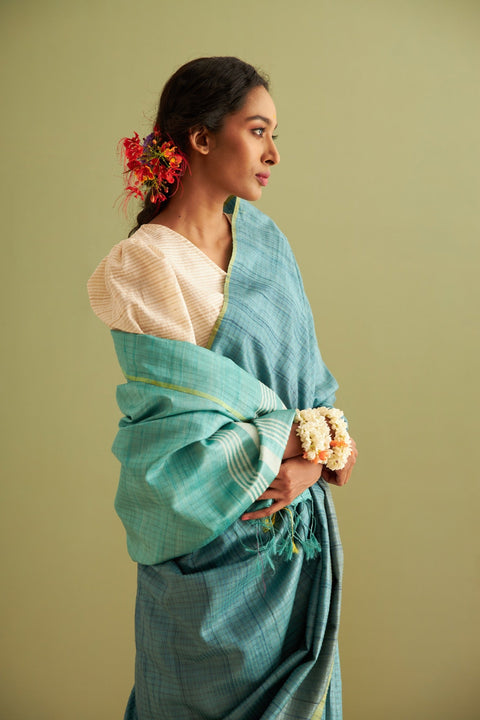
A plain silk saree with border is one of the simplest sarees to start with. It provides a useful element of border detailing to create visual balance when experimenting with a range of different drapes.
The flexibility of draping sarees is illustrated in the following five examples. The different styles convey distinct looks while the raw construction of the garment remains the same.
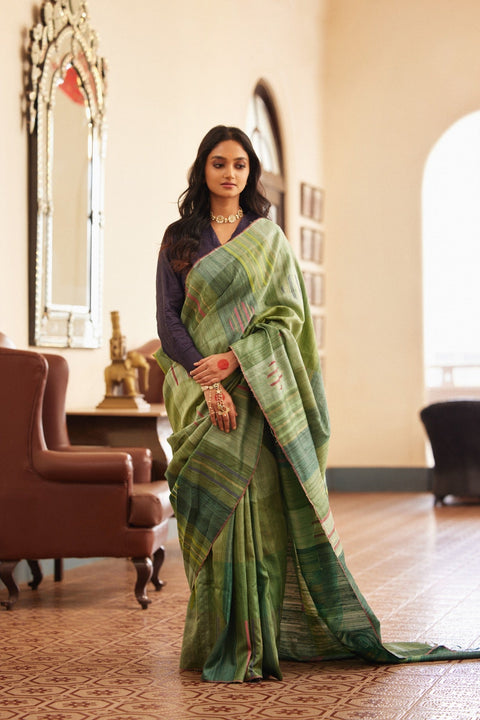
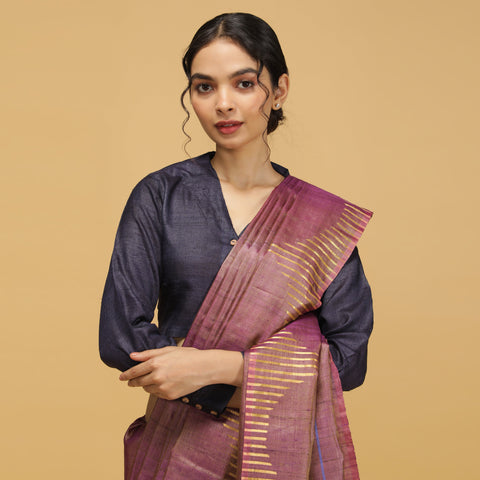
This is the most recognised saree drape. The most defined pleats are tucked in neatly at the centre of the waist, and the pallu is let to fall over the left shoulder.
What makes it do well?
Balanced. Comfortable. Formal.
A party wear silk saree detailing works very well with this saree style. This also remains the base for several different ways to style a saree.
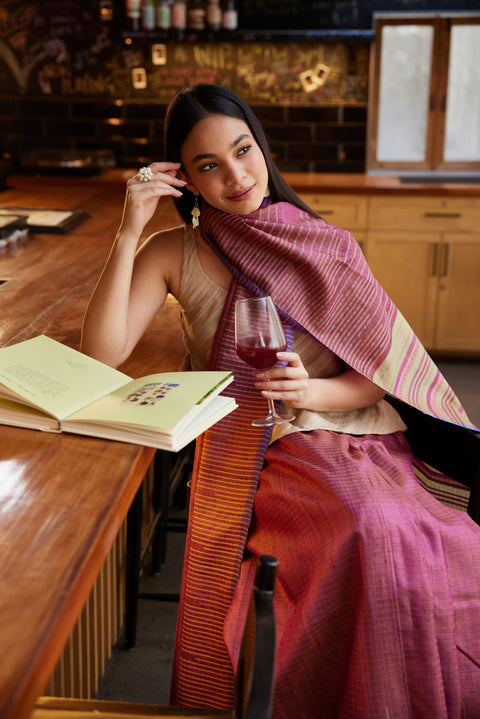
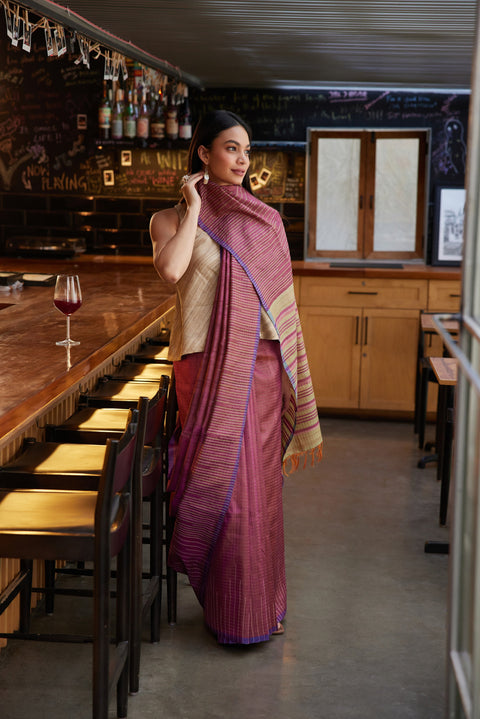
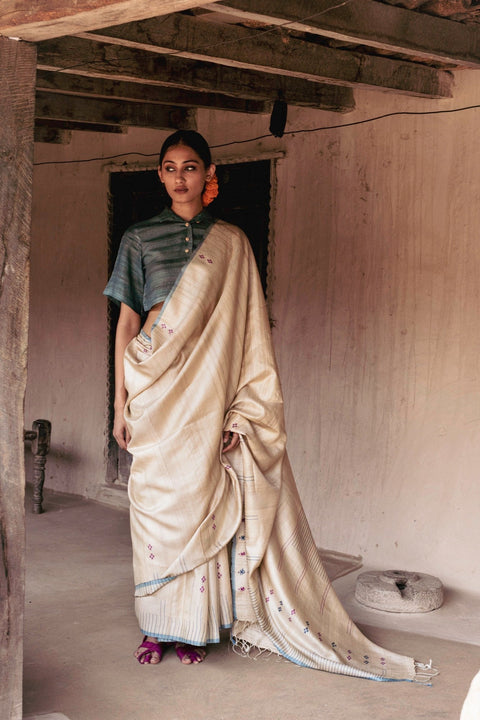
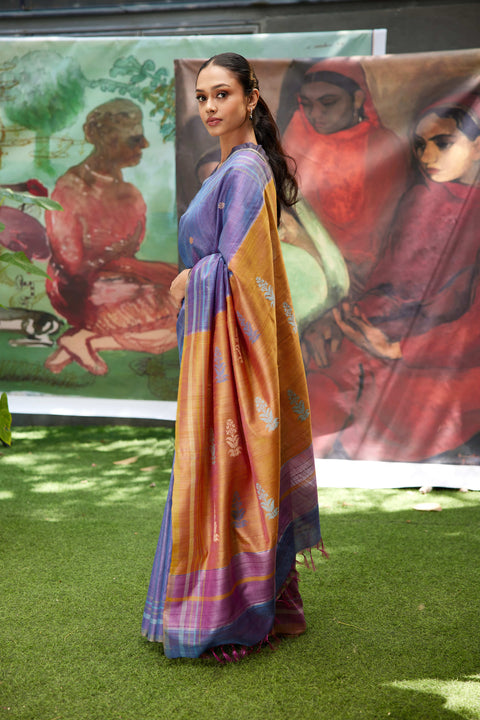
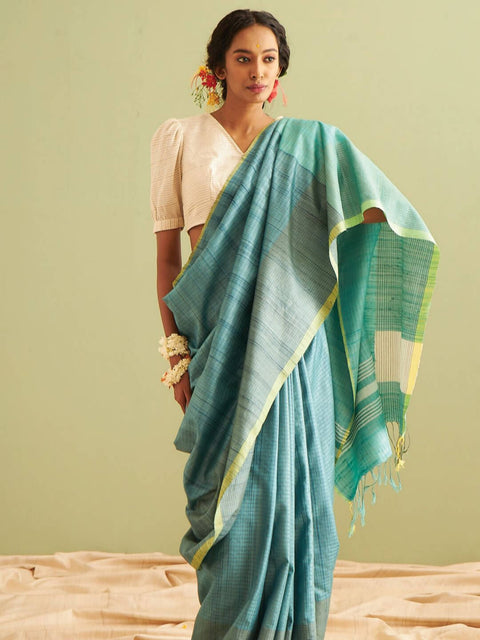
In this saree style, the pallu is not pleated. It is let to fall unrestrained over the shoulder.
What makes it do well?
Clearly shows the fabric.
Adds movement to the outfit.
Great for pictures and celebrations.
This style also helps the fabric of the saree to become the centre of attention.

A thin belt is styled on the waist to hold the saree in place.
Why it works:
Maintains the structure of the pleats.
Provides a modern silhouette.
Makes movement more comfortable.
This is one of the most contemporary popular styling techniques for wearing sarees.
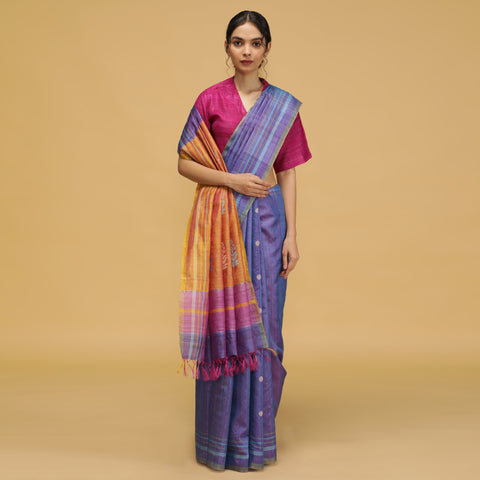
For this style, the pallu is taken from the back and spread to the front.
Why it works:
Showcases the pallu design beautifully.
Adds a funky element.
Great with fabrics that have a lot of texture.
This style is especially striking with a handloom kosa silk saree, as the weave will be more visible in the front.
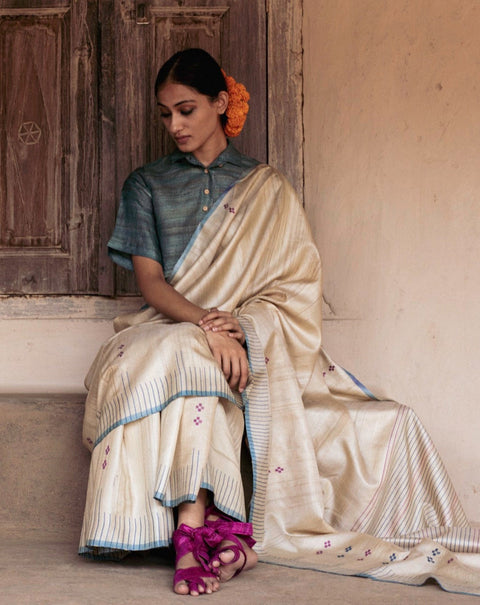
Here, the pleats are softer, and the pallu is narrower.
Why it works:
Comfortable for long periods of wear.
Maintains a relaxed look.
Great for everyday casual saree look.
This is one of the most relaxed styling techniques for everyday saree looks.
Typically, the occasion will dictate which drape feels most appropriate.
Examples:
Structured drapes are best for formal events.
Open pallus suit celebrations more.
Relaxed wraps are best for everyday use.
There are not many rules for how to drape a saree; instead, it is all about the context.
If the saree is very detailed, then you should keep the drape simple. If the saree is pretty plain, then you can go all out with a fancy drape.
Accessories can change the mood of a drape to be more appropriate.
Think about these:
Minimal jewellery looks best for a softer look.
Statement earrings are best for a more classy look.
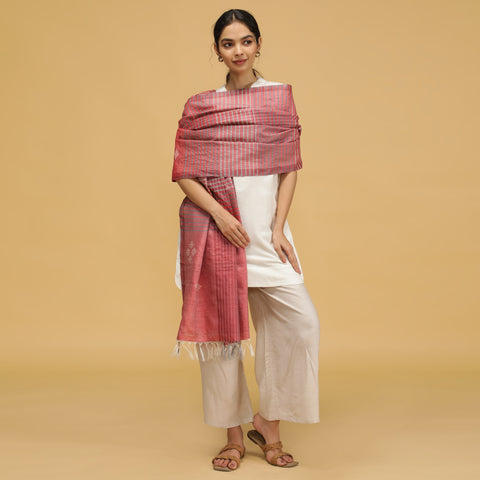
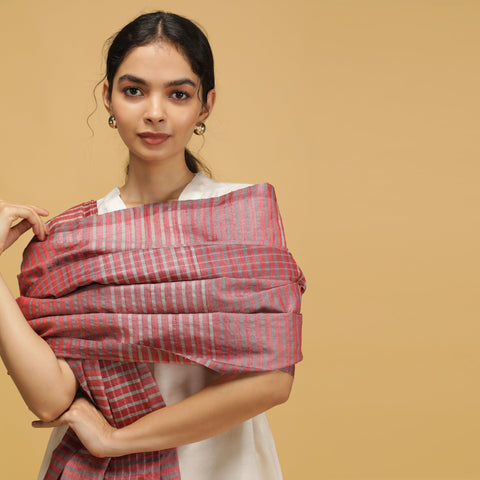
A stole for women can add a textured look, but is best if she adds a lightweight look.
For the most part, accessories should support the drape instead of competing with it. The aim should be to keep the shape of the saree as the main focus.
What really sets a neat saree drape apart from a messy one is a few different minor adjustments.
Doing a couple of simple things right can mean the difference between neat and messy:
All pleats should go the same way.
The saree should hover above the ground evenly at every point.
The length of the pallu should be even and not too long.
All of these adjustments mean different styles to drape a saree look good, and not experimental.
The saree has been around for centuries for a reason, and that reason is adaptability. It allows the wearer to make structural and sculptural adjustments and changes to how they drape a saree, all without having to change the saree.
When it comes to draping a saree, it is good to experiment so that you can find your flexibility when it comes to different saree drapes, and how they can change the look of the saree. It is possible for one saree to look formal on some days, and casual on other days. It is also possible for one saree to look traditional in some settings, and contemporary in others.
When you experiment with draping a saree, the drape transitions the saree from being just an ordinary outfit to being a lot more. This is the versatility that truly allows the saree to stand the test of time.
The most common saree draping styles include the Nivi drape, open pallu drape, belted saree drape, front pallu drape, and relaxed wrap drape.
Yes. By adjusting pleats, pallu placement, and accessories, the same saree can be styled differently for formal, festive, or casual settings.
The Nivi drape is considered the easiest style because it follows a simple tuck-pleat-pallu sequence that is easy to practice.
Sarees with simple borders or minimal patterns usually work best because the fabric structure remains visible in different draping styles.
Using elements like belts, shorter pallus, softer pleats, and minimal accessories can give traditional sarees a more contemporary appearance.