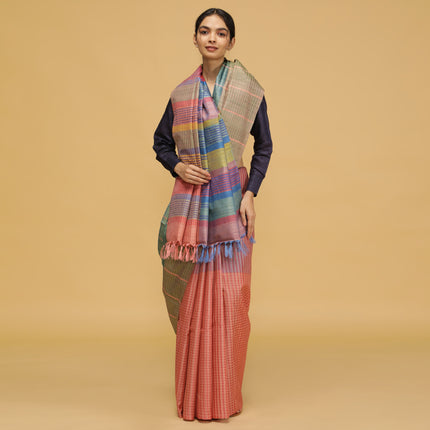
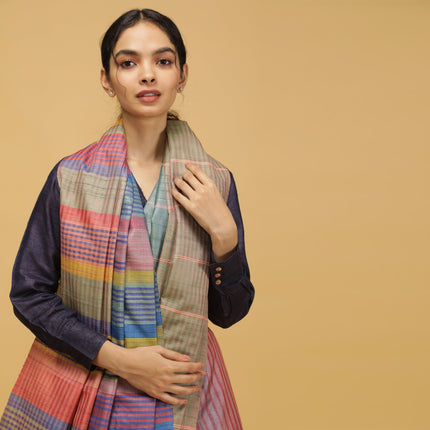
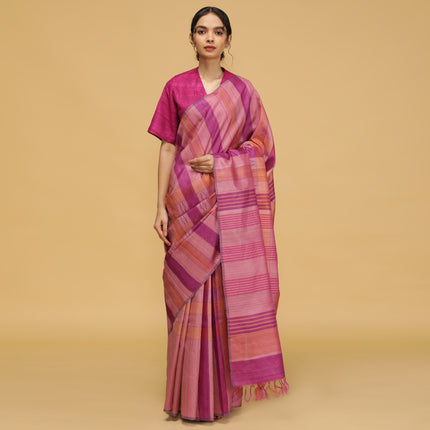
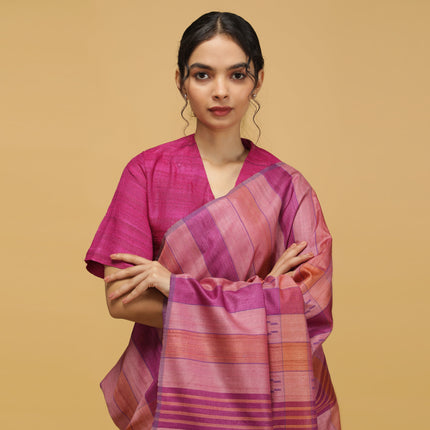
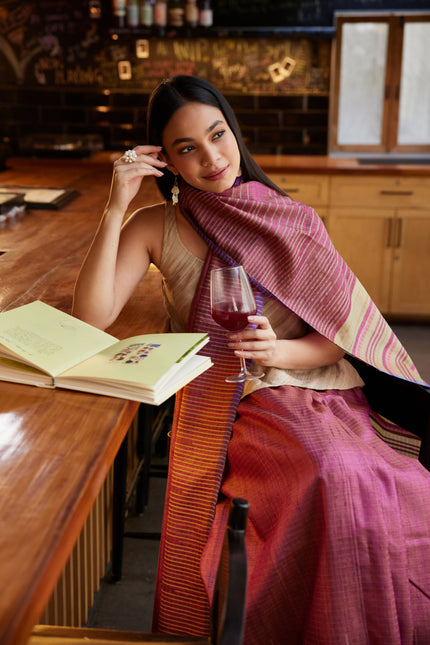
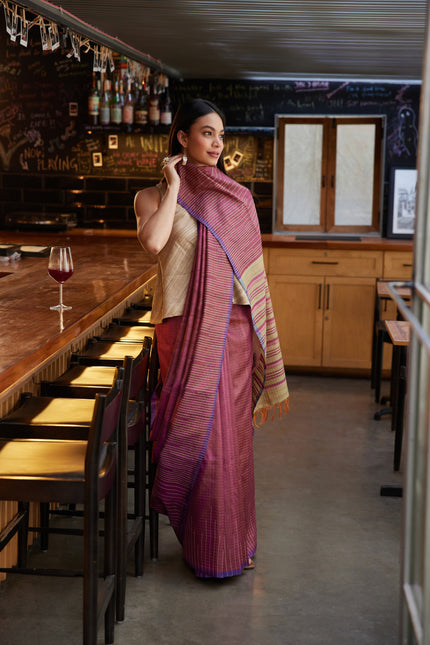
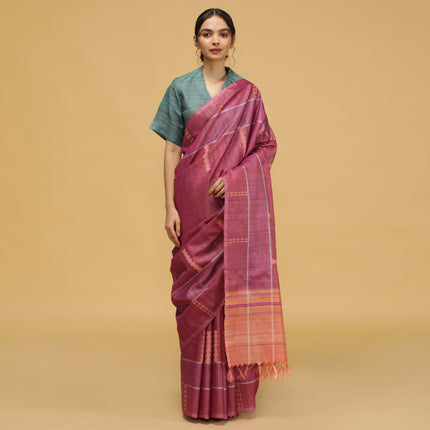
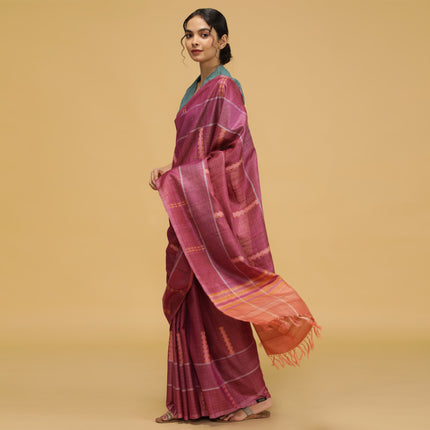
Choosing a Navratri Saree Built for Nine Nights
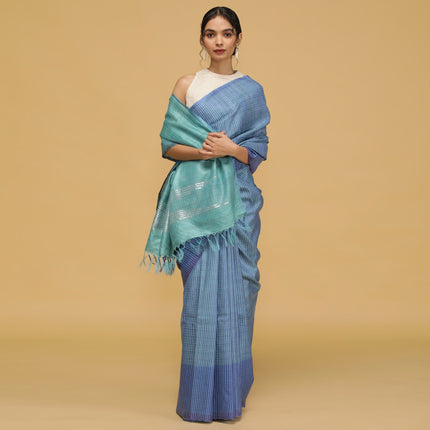
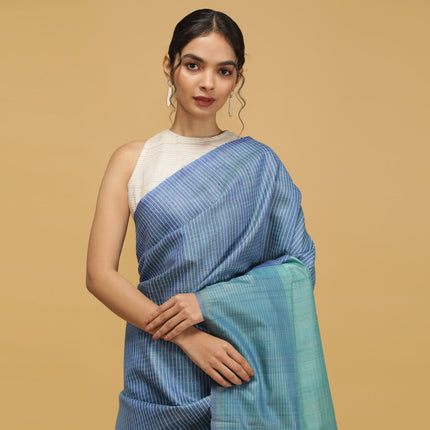
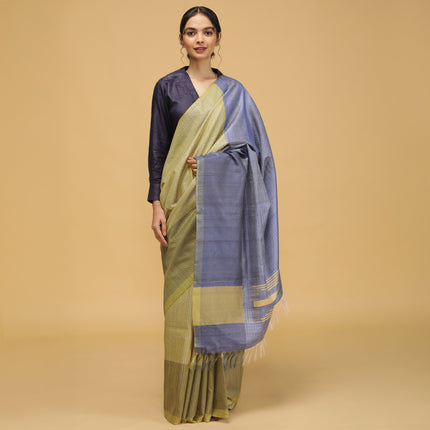
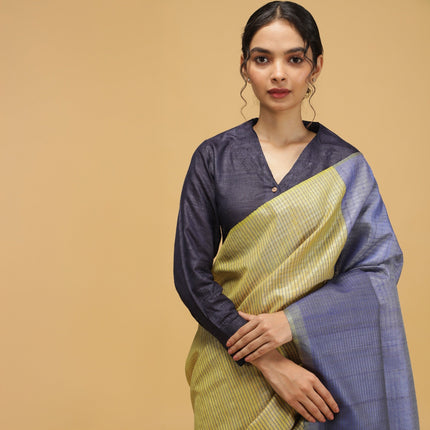
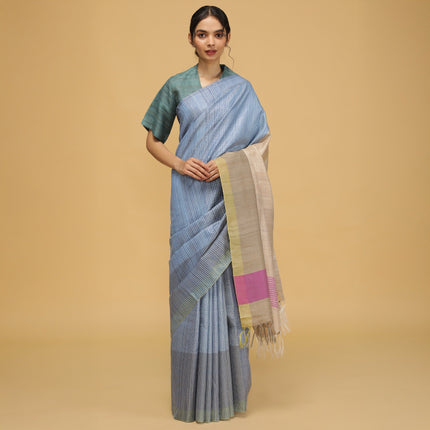
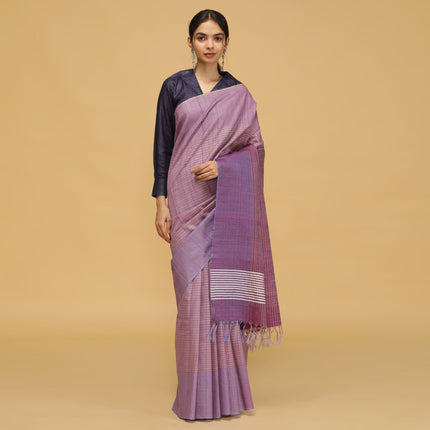
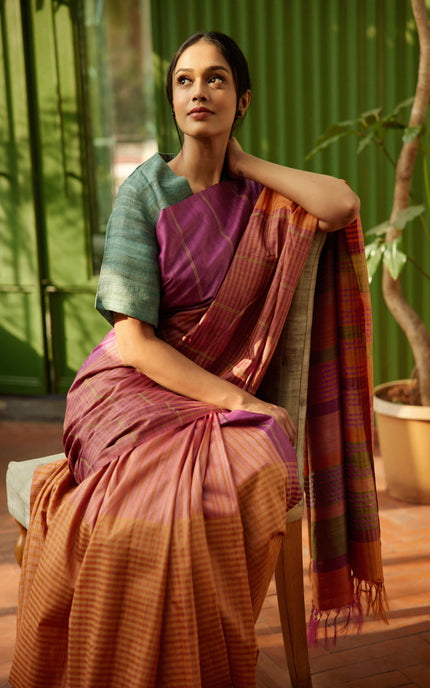
Navratri asks more of an outfit than most festivals do, since the same wardrobe often needs to hold up across nine consecutive nights of garba and dandiya. A navratri saree works best when it balances the day's specific colour with a weight and drape that can move comfortably through hours of dancing.
This is part of why lighter handloom weaves tend to suit the occasion better than heavier, more structured fabric. Comfort matters as much as colour once the dancing begins.
A navratri saree rarely needs to be elaborate to work well. It simply needs to move the way the night demands.
Reading the Day-Wise Colour Order
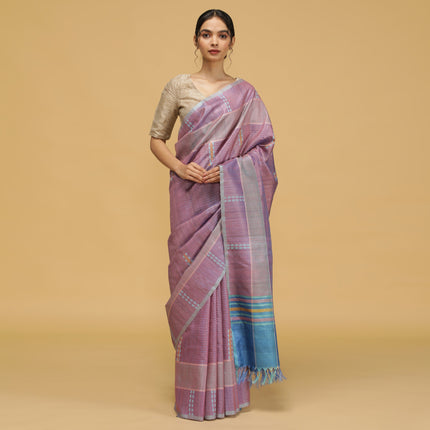
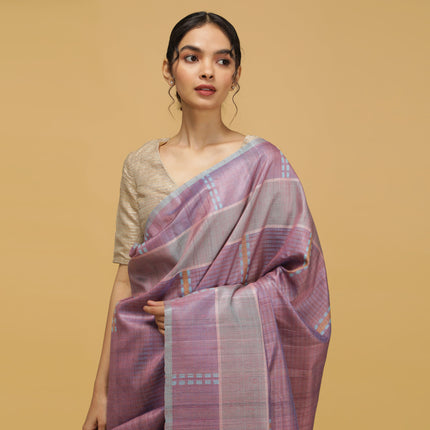
Navratri follows a widely recognised nine-day colour order: yellow, green, grey, orange, white, red, royal blue, pink, and purple. Matching the saree to the specific day keeps the look cohesive with the wider celebration, particularly at group events where the colour scheme is shared.
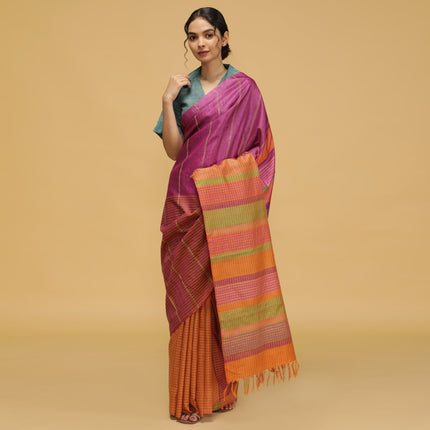
For days without a dedicated Navratri colour page yet, orange silk saree still works well as a reference for that shade within the sequence.
Planning the full nine days ahead of time, rather than choosing shade by shade, usually makes the week easier to manage.
Styling a Navratri Saree for Dancing
For garba and dandiya nights: Keep the petticoat secure with a firm drawstring, pin the pleats and pallu in place, and choose low-heel or block footwear.
For day-wise colour coordination: Pair the saree's colour with matching or complementary jewellery and bangles.
For quieter puja mornings: A simpler, lighter drape works well for the daytime rituals that precede the evening's dancing.
Exploring Navratri by Colour
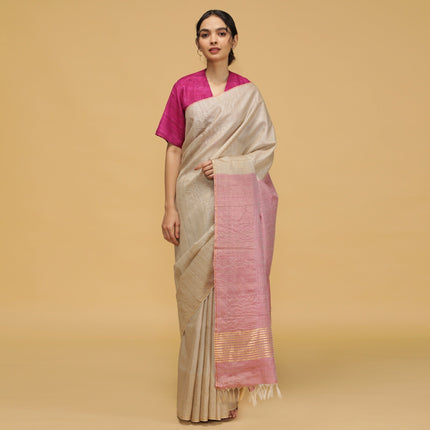
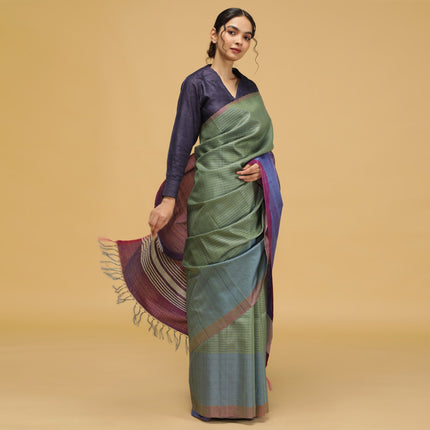
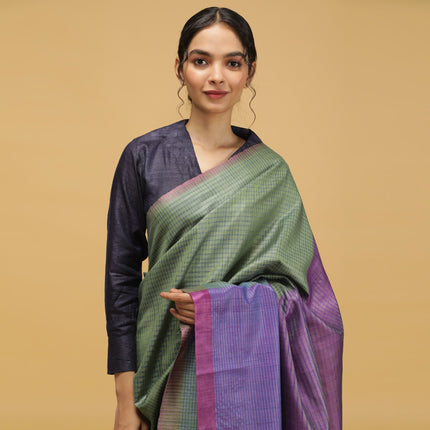
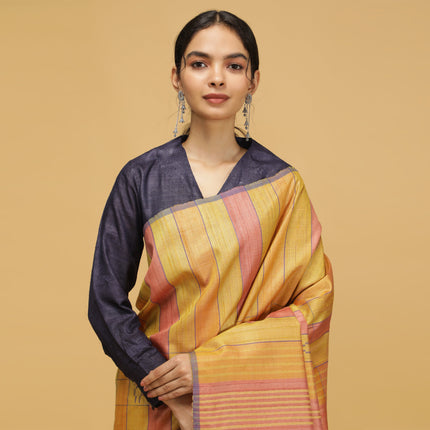
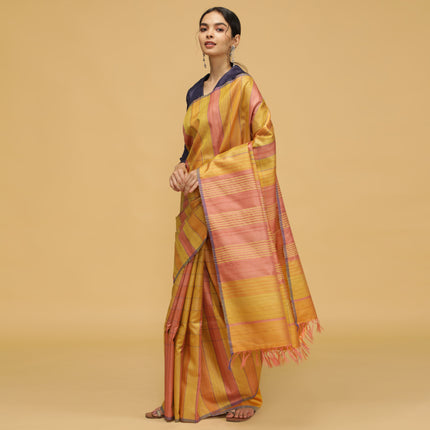
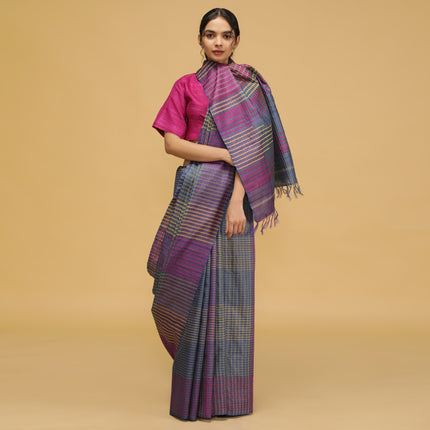
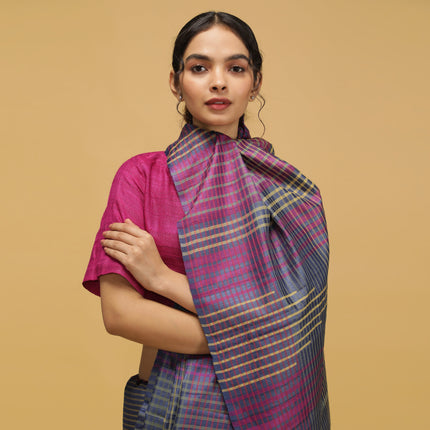
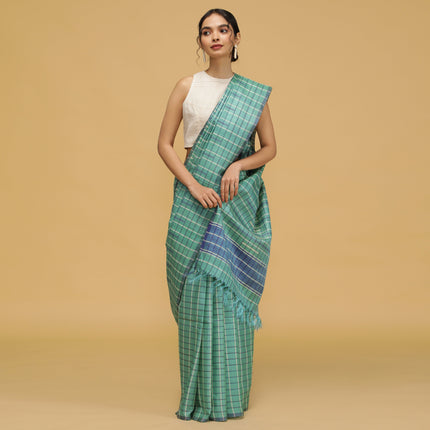
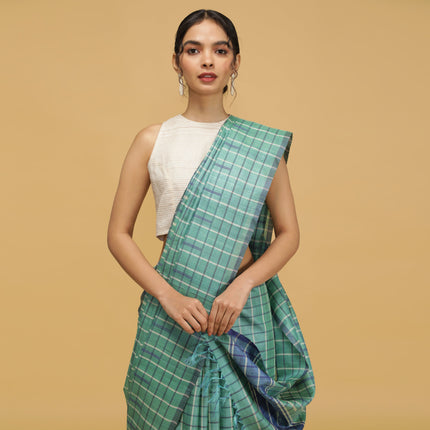
For those focusing on a specific day's shade, yellow navratri silk sarees, green navratri silk sarees, and grey navratri silk sarees each cover an individual day's colour in more depth.
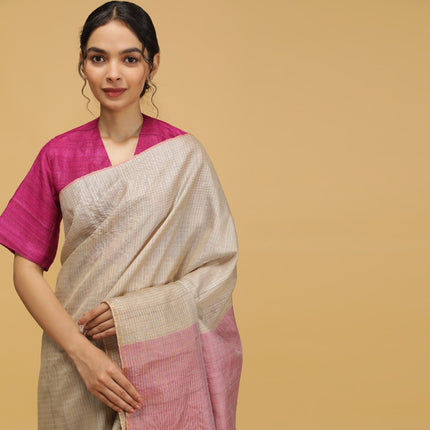
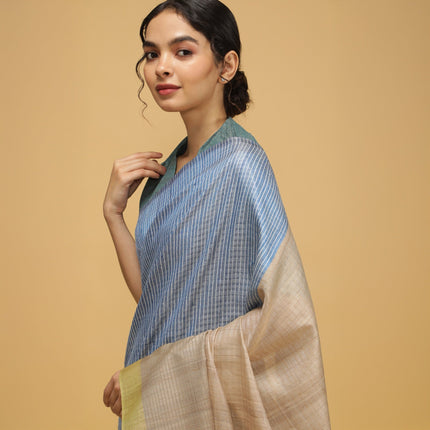
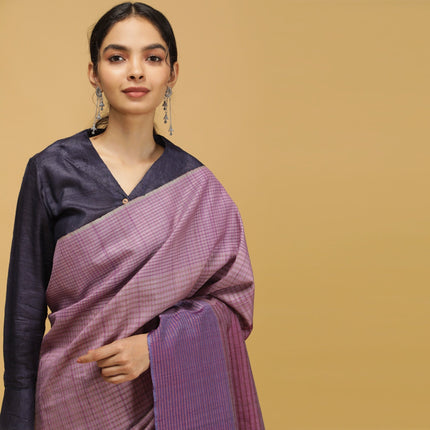
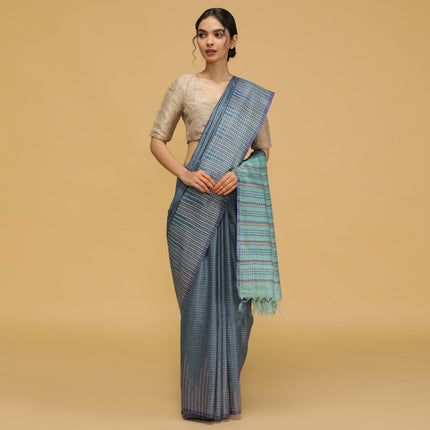
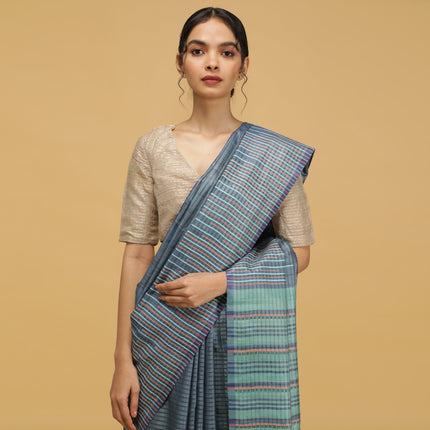
For those wanting to explore the weave itself before settling on a colour, handloom silk saree options show the variety of textures available, while tussar silk saree pieces offer a slightly different sheen and drape for those comparing fabric types.
Caring for Your Navratri Saree Across the Nine Nights
Nine nights of dancing put more strain on a saree than most other occasions, so care between wears matters. Dry clean after extended use, and store each saree away from direct sunlight in a breathable cotton bag.
Choosing Your Navratri Saree
A navratri saree works best when comfort and colour both get equal consideration. Kosala's handloom silk sarees carry a natural lightness and texture built to move well through long nights of dancing.