Choosing a Bhai Dooj Saree for the Occasion
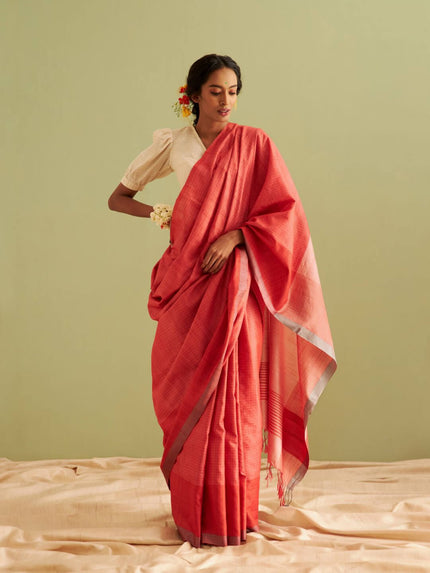
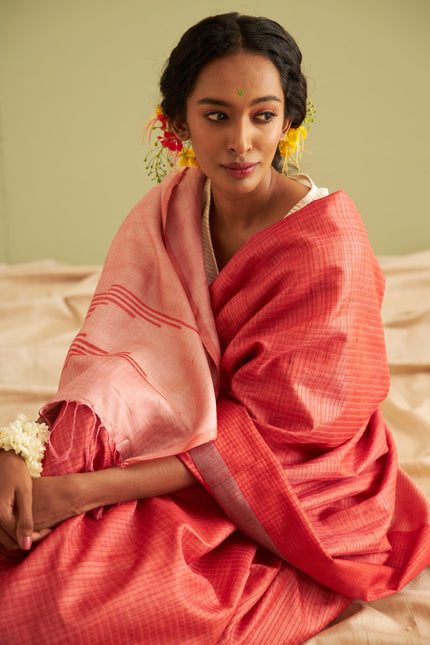
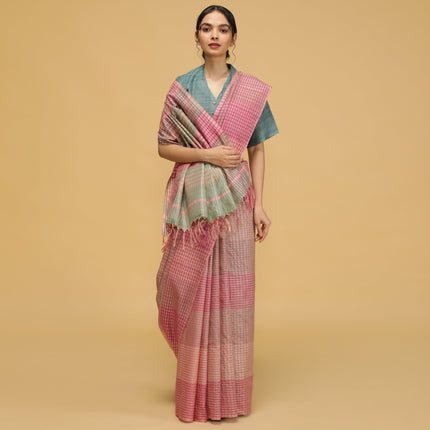
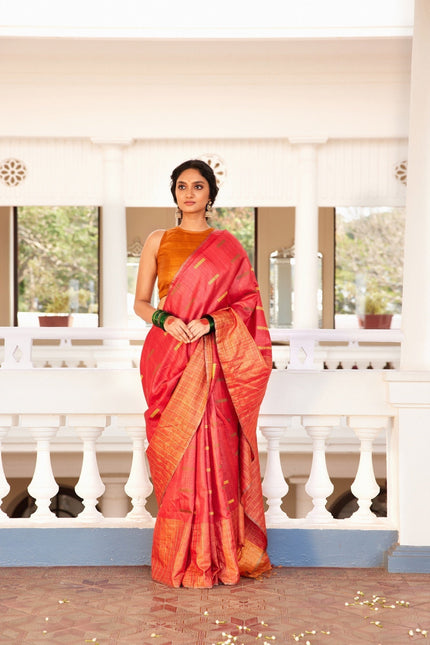
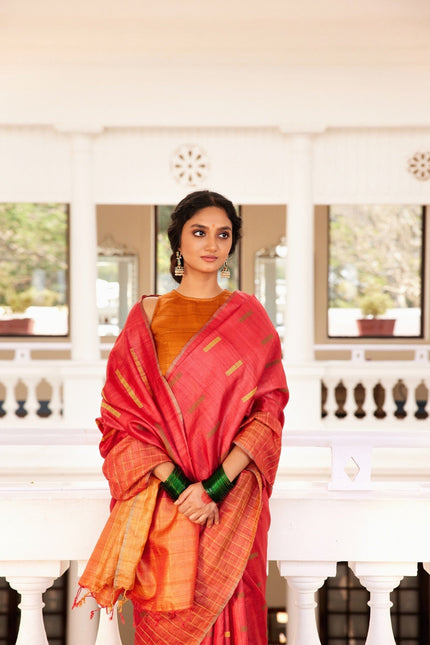
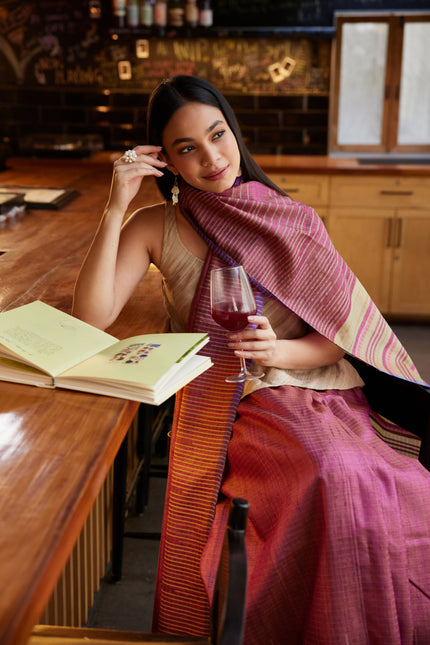
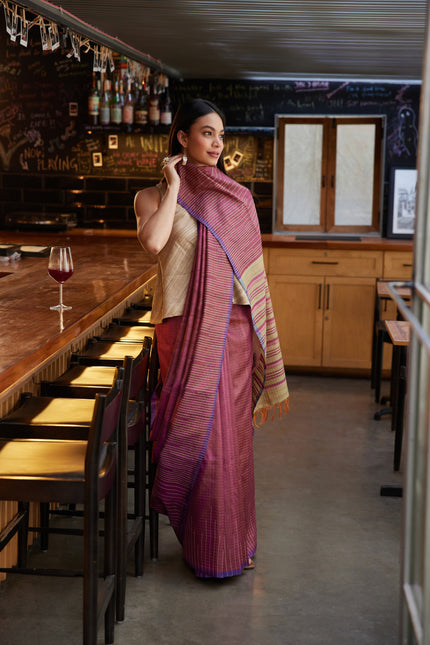
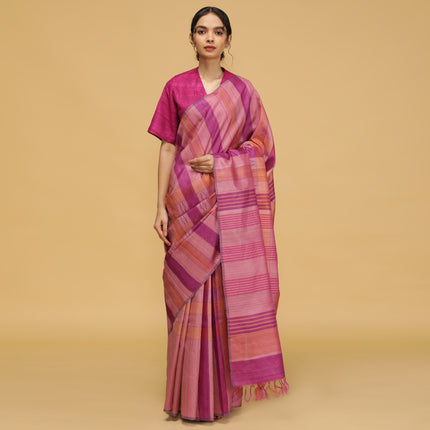
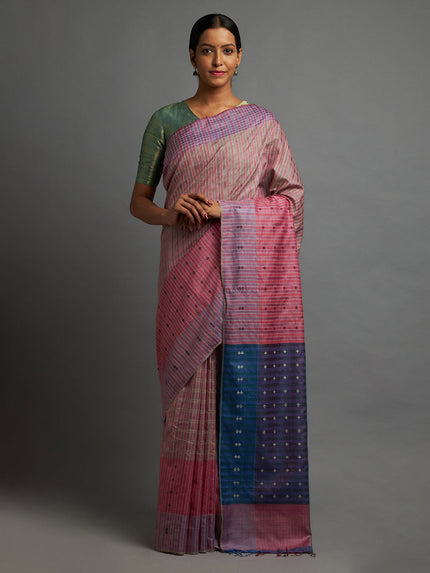
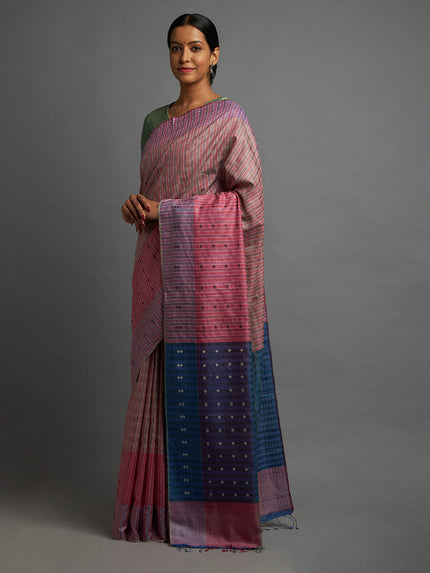
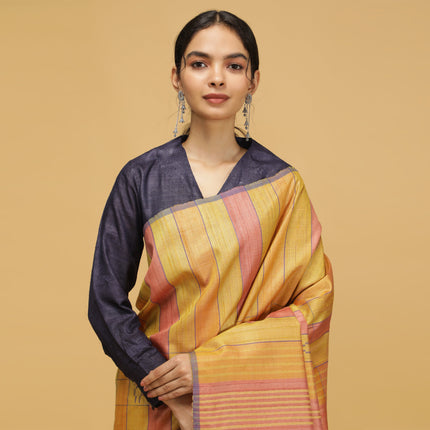
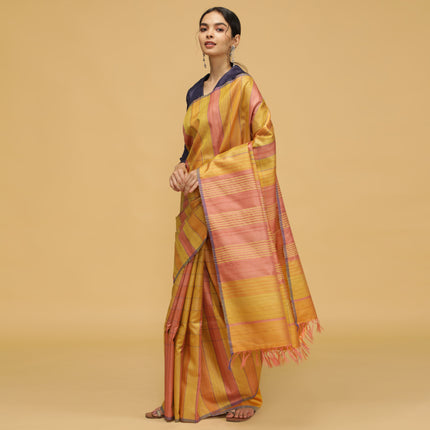
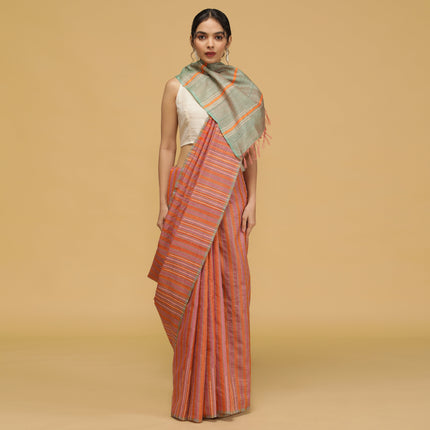
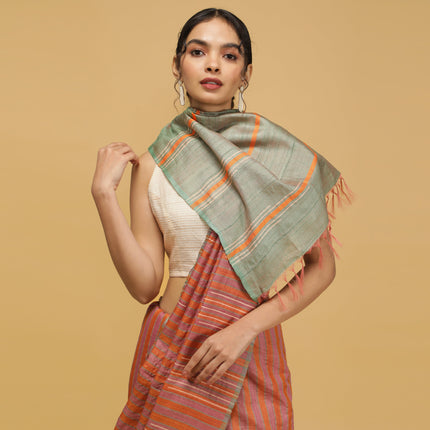
Bhai Dooj shares its emotional core with Raksha Bandhan, built around the same bond between siblings, and a Bhai Dooj saree tends to reflect that warmth in similarly bright, festive tones. Red, pink, and yellow all photograph well through the tilak ceremony and the family celebration that follows.
This is part of why the day rarely calls for anything too formal or restrained. Falling during the Diwali season, the saree often carries some of that festive energy alongside the day's own significance.
A Bhai Dooj saree rarely needs to be elaborate. The warmth of the occasion carries most of the mood on its own.
Reading the Shade Before You Buy
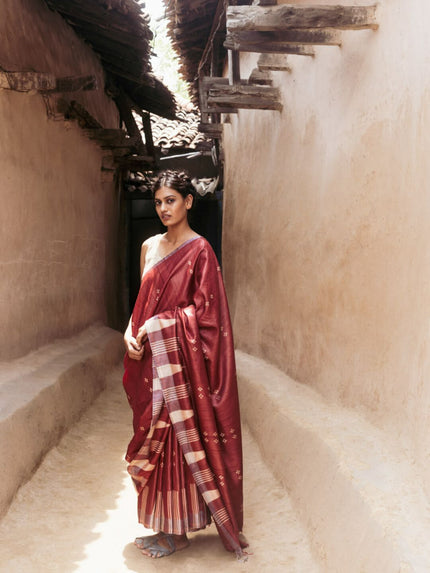
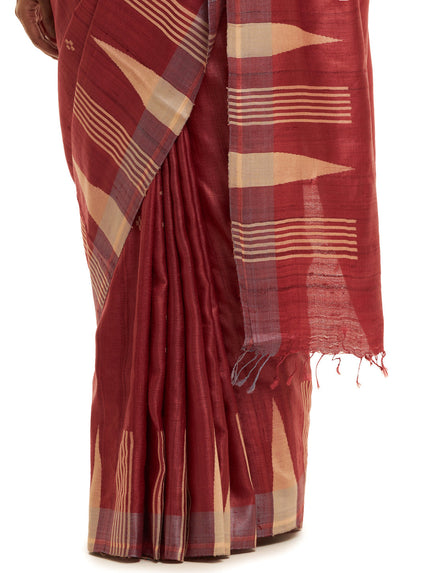
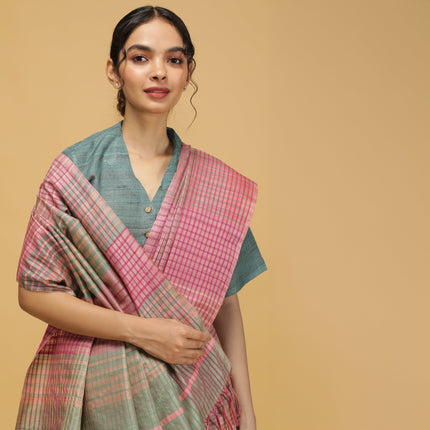
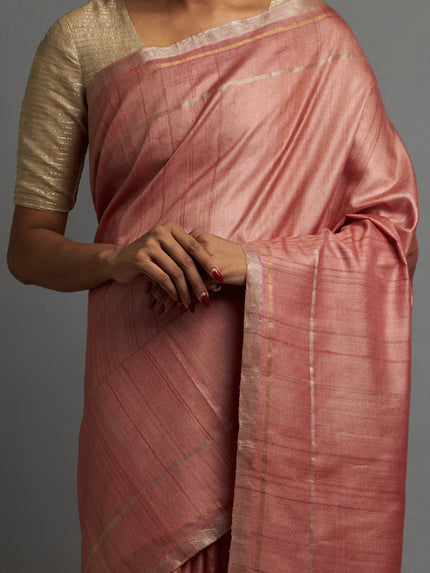
Not every festive shade suits the day equally. Red carries the most traditional weight for the tilak ceremony itself, while pink offers a softer alternative. Yellow rounds out the palette for those wanting something bright without the intensity of red.
Matching the shade to the formality of the specific gathering usually gives the most fitting result.
Styling a Bhai Dooj Saree
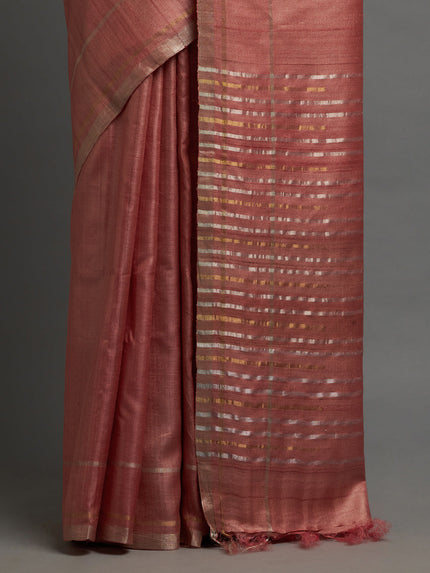
For the tilak ceremony, Keep the saree traditional in red or pink, paired with gold jewellery. For family celebrations later in the day, A brighter shade with more detailing in the border works well. For smaller, intimate gatherings, A softer pastel with minimal jewellery suits a quieter version of the occasion.
Exploring Colour Beyond Bhai Dooj
For those wanting to look at these shades in a broader context, red silk saree and pink color silk saree both offer more options beyond this specific occasion.
For those wanting to explore the weave itself, handloom silk saree options show the variety of textures available, while tussar silk saree pieces offer a slightly different sheen for those comparing fabric types.
Caring for Your Bhai Dooj Saree After the Celebration
Bright shades can fade faster than muted tones if not stored correctly. Dry clean only to preserve the colour, and store it away from direct sunlight in a breathable cotton bag.
Choosing Your Bhai Dooj Saree
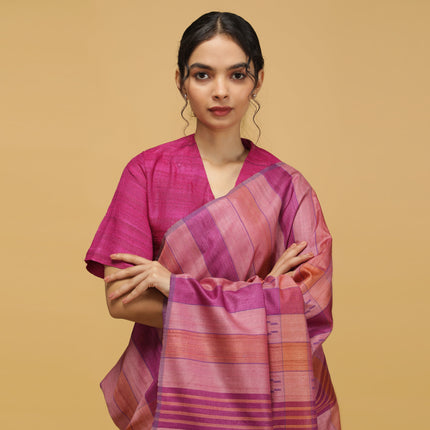
A Bhai Dooj saree works best for those wanting to mark the day with something warm and celebratory, much like Raksha Bandhan earlier in the year. Kosala's handloom silk sarees carry natural texture and a matte finish that lets bright shades look rich rather than flat.